谁不说呢 算了吧
“That's right. Forget it.”
THE DIALOGUE REEL
行了 你还是想搞那个 没有功劳也有苦劳那一套
“That's enough. You're just trying to play the "no achievement, but effort counts" card.”
谁不说呢 算了吧
“That's right. Forget it.”
法官的时间很宝贵
“The court's time is valuable.”
“You're right, that won't work in court. Let's just drop it.”
Phrases like '算了吧' are frequently used in Chinese communication to avoid futile conflict or acknowledge when a tactic will not yield real results.
LEARNING CHUNKS & PARTICLES
tell me about it / who wouldn't say so?
A colloquial rhetorical expression used to express strong agreement with someone's observation or complaint.
forget about it / let it drop
Used to suggest abandoning a plan, argument, or futile effort.
Marks a rhetorical question affirming consensus with the interlocutor.
Softens the imperative suggestion to abandon the action.
VOCABULARY & EXPRESSIONS
Parallel Spoken Cinema Scenes (语义近邻切片)

“I'm not telling you. It won't come true if I say it.”

“Talk! Talk!”

“If you won't say, then I will.”
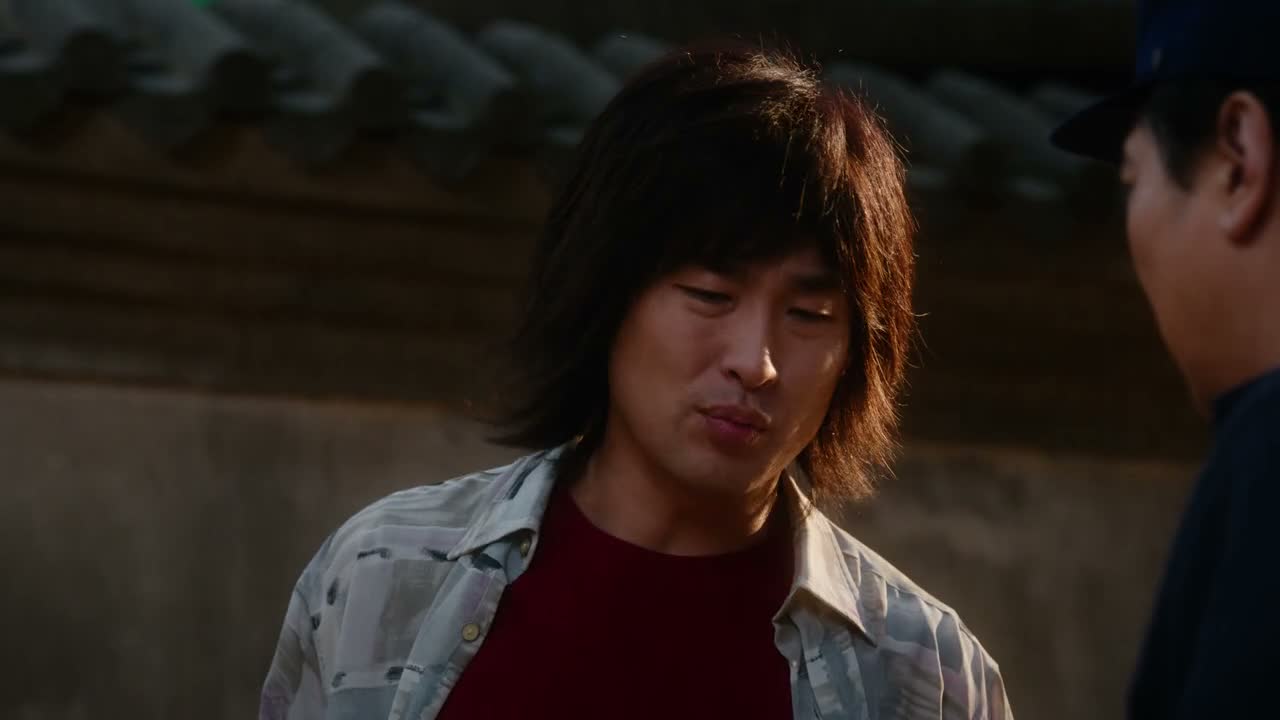
“Nobody will know it”

“My bad. I'll stop there.”

“She says nothing, but I'm her uncle.”