谁做的多错的多吗
“the more you do, the more mistakes you make?”
THE DIALOGUE REEL
“- Is that how you take care of Dad? - That's outrageous. Isn't this just a typical case of”
谁 做的多错的多 吗
“the more you do, the more mistakes you make?”
“A good horse dies on the battlefield, a good car eventually rattles.”
“Stop judging me; you wouldn't make mistakes either if you never lifted a finger!”
In Chinese family care dynamics, the sibling who takes on the primary physical burden of caregiving often suffers the most criticism from uninvolved relatives, leading to feelings of deep injustice.
LEARNING CHUNKS & PARTICLES
the more one does, the more mistakes one makes
A common colloquial phrase used to complain about the unfairness of taking initiative, where active contributors face disproportionate criticism.
Forms a rhetorical question that prompts the listener to acknowledge a commonly accepted grievance or paradox.
VOCABULARY & EXPRESSIONS
Parallel Spoken Cinema Scenes (语义近邻切片)

“What did I do wrong?”

“(Did I do wrong?)”
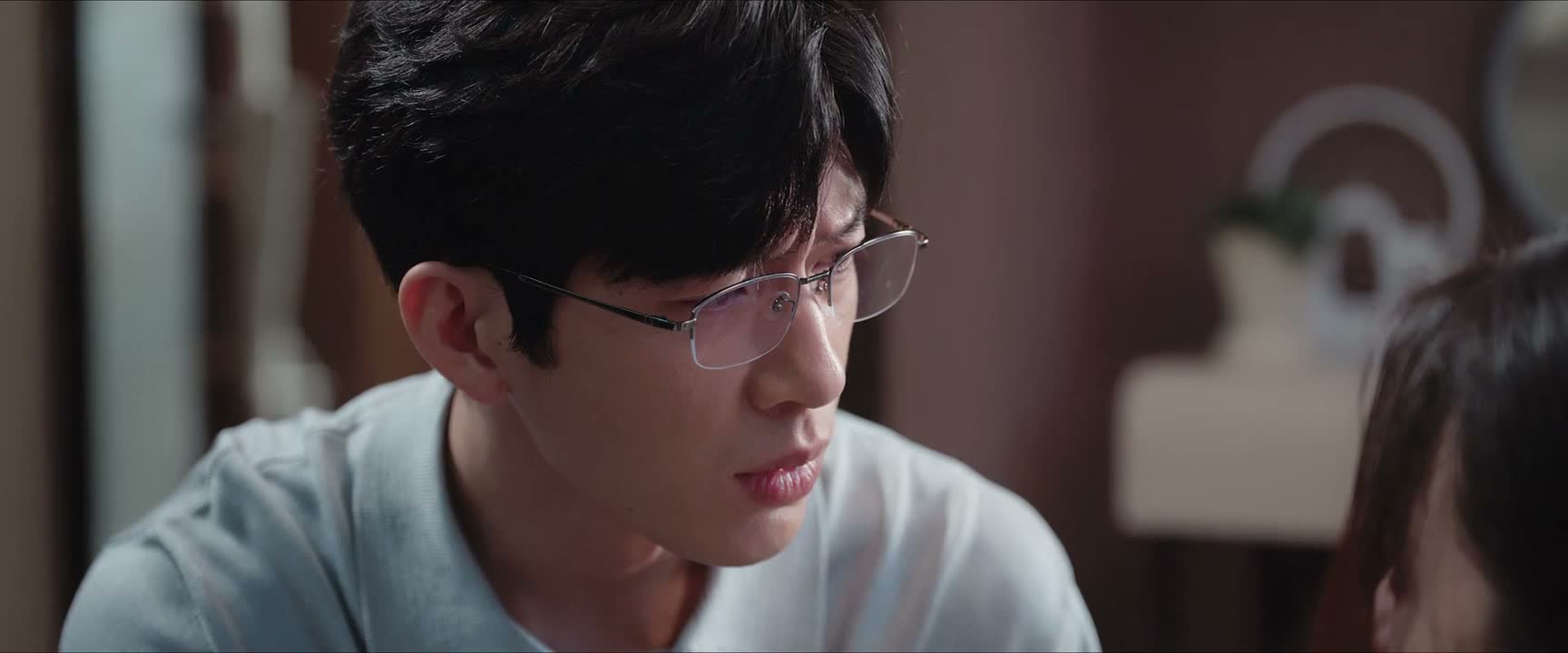
“Was I wrong?”

“I did a lot of wrong things,”
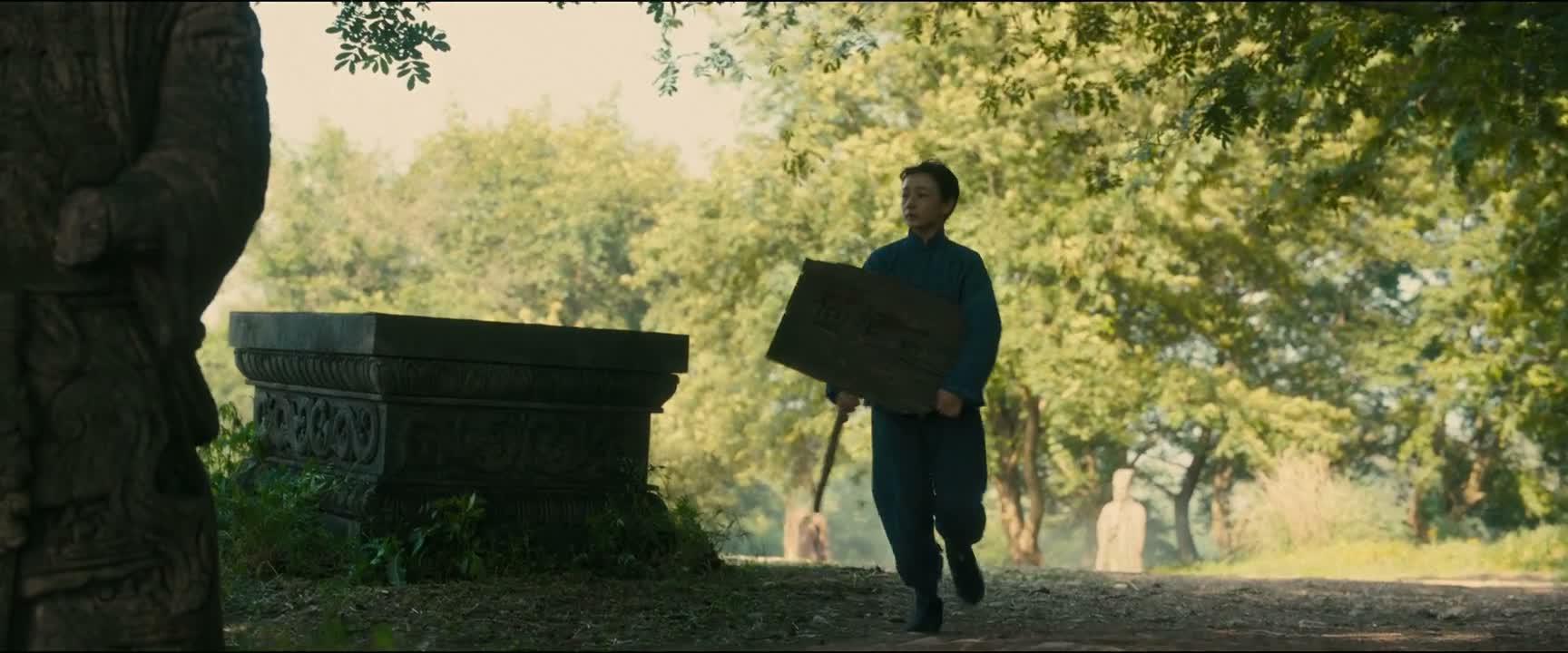
“What on earth did we do wrong?”
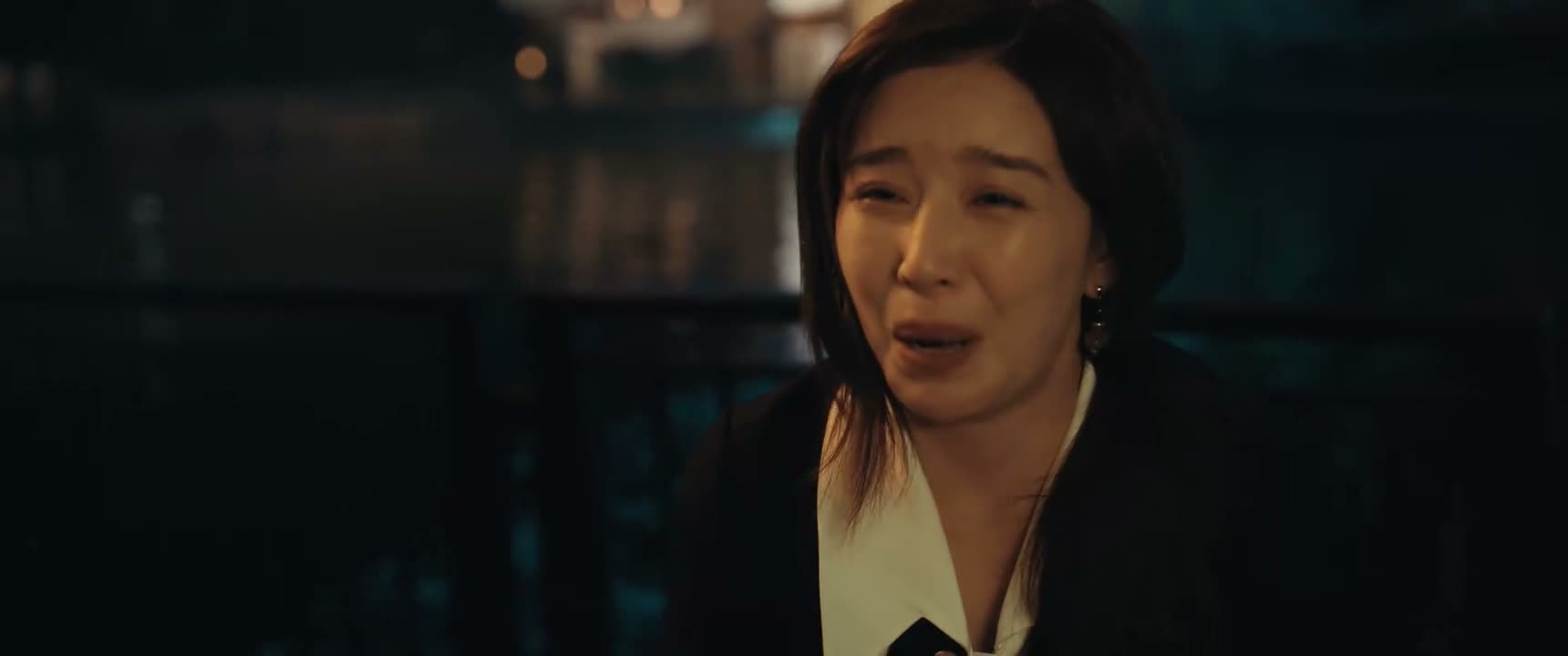
“Am I wrong? Of course.”