MC
MandarinClips Cinema Corpus
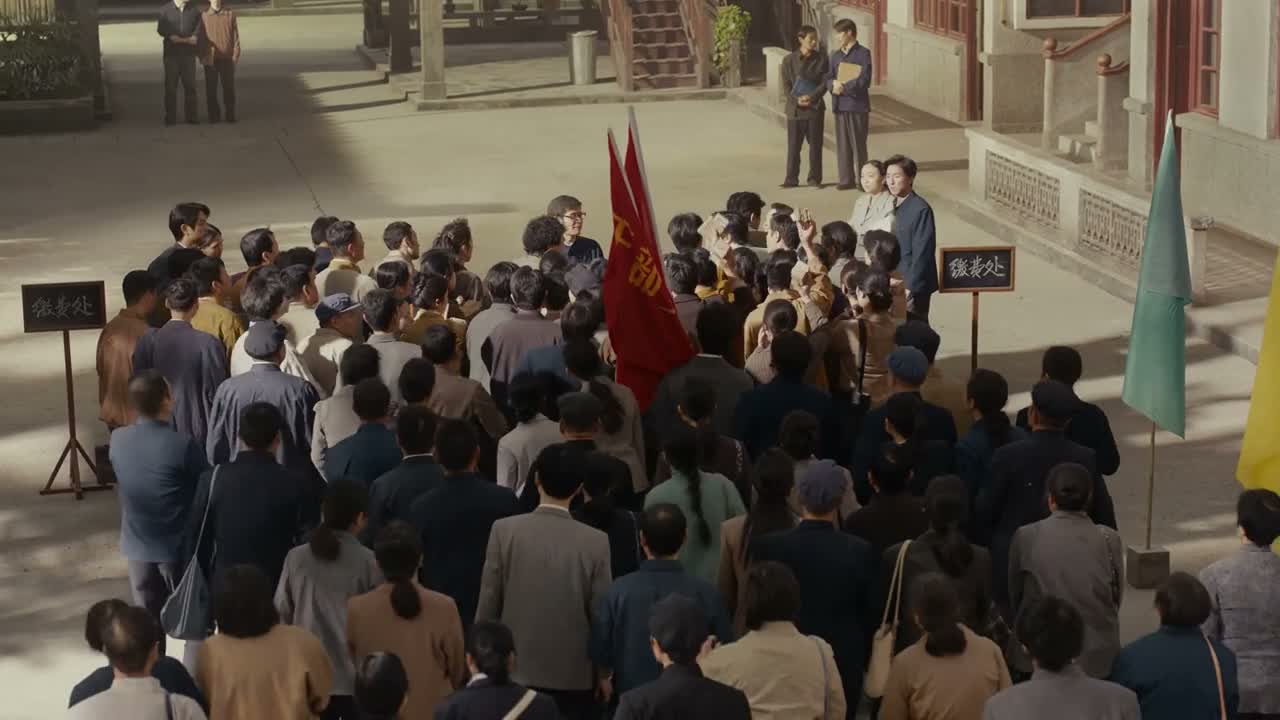
《Pursuit of Jade》 S1·E36 (07:03) HSK 3
nǐ men bié chǎo chǎo le xíng ma

你们别吵吵了行吗

“Can't you stop shouting and yelling?”

《Pursuit of Jade》 S1·E36
TIMECODE: 07:03 · 1080P MASTER AUDIO

THE DIALOGUE REEL

1+1+1 SPOKEN CONTINUITY
[-1] PREVIOUS TURN cái zi jiā rén de hǎo xì

才子佳人的好戏

“about a hero and a beauty.”

nǐ men bié chǎo chǎo le xíng ma CURRENT FOCUS

你们 别吵吵了 行吗

“Can't you stop shouting and yelling?”

[+1] FOLLOW-UP TURN jiù shì

就是

“Exactly.”

Subtitles synced to millisecond timecode Browse Show Clips →
Scene: Crisis & Conflict
Function: DEMANDING SILENCE
Tone: IRRITATED
Emotion: ANNOYANCE
WHAT THEY REALLY MEAN (PRAGMATIC SUBTEXT)
“Shut up, your bickering is giving me a headache!”
💡 Cultural Insight: Rhetorical Politeness in Conflict

Using a seemingly polite tag like '行吗' after an abrupt command is a common way in colloquial Chinese to express thinly veiled exasperation.

INTENT TAGS: #hushing #interruption #complaint #exasperation
🧩

LEARNING CHUNKS & PARTICLES

2 CHUNKS · 2 PARTICLES
别吵吵 SPOKEN CHUNK

stop making noise / quit bickering

A colloquial northern expression used to bluntly tell people to quiet down or stop arguing.

行吗 SPOKEN CHUNK

okay? / is that alright?

Added at the end of a command to soften it slightly, though it often carries an impatient or demanding tone.

Modal Particle「了」 (le) CHANGE OF STATE

Indicates an immediate change of state, demanding that the ongoing action stop right now.

Modal Particle「吗」 (ma) CHANGE OF STATE

Frames the utterance as a rhetorical question to demand compliance.
🏮

VOCABULARY & EXPRESSIONS

2 EXPR · 0 GRAMMAR
CROSS-CINEMA CORPUS BOARD · PARALLEL SCENES

Parallel Spoken Cinema Scenes (语义近邻切片)

EXPLORE BY SEMANTIC SIMILARITY
《Pursuit of Jade》 S1·E36 (07:03) · Authentic Cinema Dialogue Corpus