MC
MandarinClips Cinema Corpus
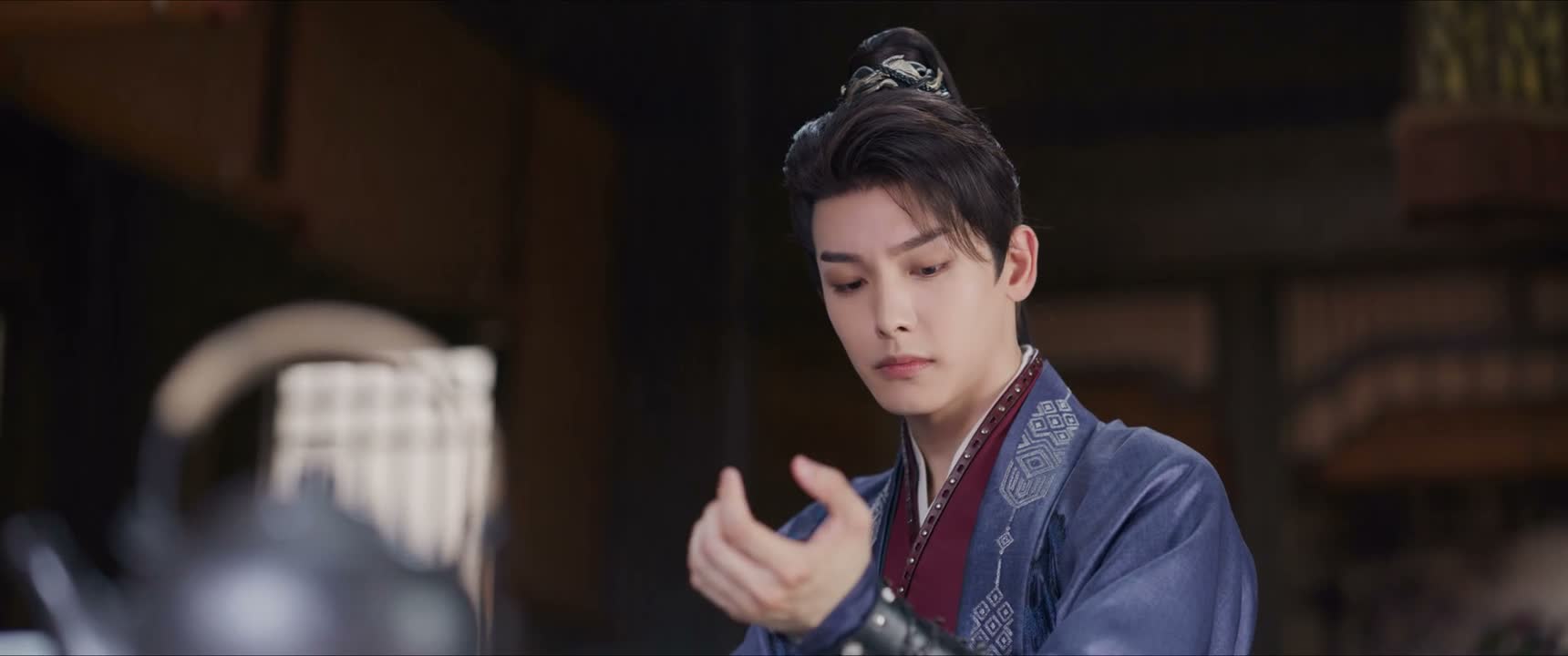
《Road to Success》 S1·E3 (25:39) HSK 7
zhù wǒ men guāng róng tuì yì lái lái lái wèi fèi chái gān bēi

祝我们光荣退役 来来来 为废柴干杯

“To our honorable retirement. -Come on. -Cheers to losers.”

《Road to Success》 S1·E3
TIMECODE: 25:39 · 1080P MASTER AUDIO

THE DIALOGUE REEL

1+1+1 SPOKEN CONTINUITY
[-1] PREVIOUS TURN lái

来

“Come on.”

zhù wǒ men guāng róng tuì yì lái lái lái wèi fèi chái gān bēi CURRENT FOCUS

祝我们光荣退役 来来来 为废柴干杯

“To our honorable retirement. -Come on. -Cheers to losers.”

[+1] FOLLOW-UP TURN lái gān bēi gān bēi gān bēi lái gān bēi gān bēi lái gān bēi

来 干杯干杯干杯 来干杯干杯 来干杯

“-Cheers! -Cheers! -Cheers! -Cheers! Cheers! Cheers!”

Subtitles synced to millisecond timecode Browse Show Clips →
Scene: Dining & Food
Function: MAKING A TOAST
Tone: SELF-DEPRECATING
Emotion: JOY
WHAT THEY REALLY MEAN (PRAGMATIC SUBTEXT)
“We may have failed completely, but at least we are in this together, so let's laugh it off and drink.”
💡 Cultural Insight: Self-Mockery (Zichao) Culture

In contemporary Chinese youth culture, adopting self-deprecating labels like 'feichai' (loser) defuses pressure, fosters solidarity, and avoids awkwardness after failure.

INTENT TAGS: #toasting #self_mockery #bonding #celebration
🧩

LEARNING CHUNKS & PARTICLES

3 CHUNKS · 0 PARTICLES
光荣退役 SPOKEN CHUNK

glorious retirement; to step down honorably

Originally a military or sports term, frequently used humorously among friends when bowing out after a loss.

为...干杯 SPOKEN CHUNK

a toast to...; cheers to...

The standard spoken formula used when dedicating a toast to a person, group, or cause.

废柴 SPOKEN CHUNK

loser; good-for-nothing; deadwood

Colloquial term borrowed from Cantonese, often used affectionately or self-deprecatingly among close friends.

🏮

VOCABULARY & EXPRESSIONS

2 EXPR · 0 GRAMMAR
CROSS-CINEMA CORPUS BOARD · PARALLEL SCENES

Parallel Spoken Cinema Scenes (语义近邻切片)

EXPLORE BY SEMANTIC SIMILARITY
《Road to Success》 S1·E3 (25:39) · Authentic Cinema Dialogue Corpus