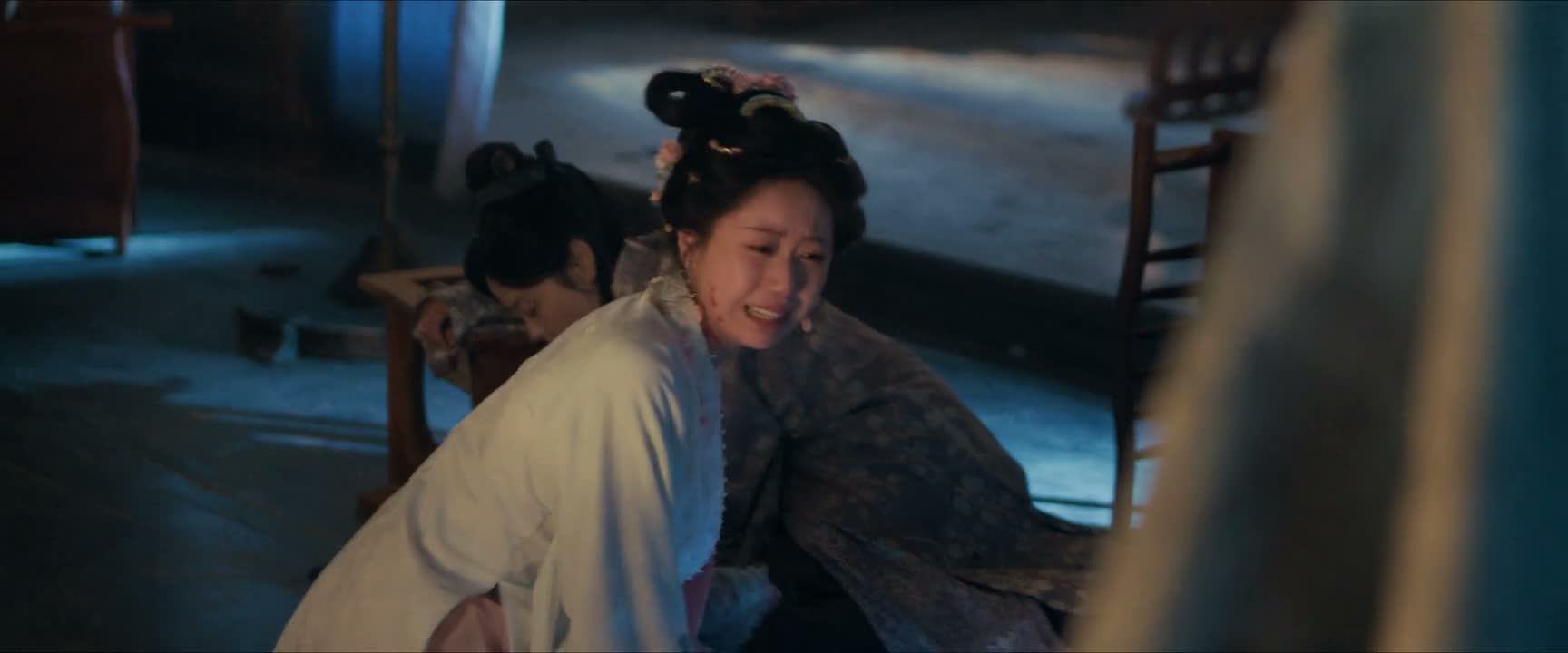
《Archives: The Nanyang Mystery》 S1·E14 (07:06)
HSK 6
nǐ dǎo shì kě yǐ chū qù le cái yí gè
你倒是可以出去了 才一个
“You can leave if you want. Only one?”
《Archives: The Nanyang Mystery》
S1·E14
TIMECODE: 07:06
·
1080P MASTER AUDIO
THE DIALOGUE REEL
[-1] PREVIOUS TURN
wǒ cái gāng zhǎo dào dì yí gè dōng xī
“I've only found the first item I need.”
nǐ dǎo shì kě yǐ chū qù le cái yí gè
CURRENT FOCUS
你倒是 可以 出去 了 才一个
“You can leave if you want. Only one?”
[+1] FOLLOW-UP TURN
nà bù xíng
那不行
“That won't do.”
Subtitles synced to millisecond timecode
Browse Show Clips →
Scene:
Crisis & Conflict
Function:
GRUDGING ACKNOWLEDGMENT
Tone:
GRUDGING
Emotion:
FRUSTRATION
WHAT THEY REALLY MEAN (PRAGMATIC SUBTEXT)
“Must be nice for you to walk away easily while I am still stuck here.”
💡 Cultural Insight: Use of 'Daoshi' to Express Subdued Envy
The adverb 'daoshi' is frequently used in spoken Mandarin to highlight a contrast that indirectly expresses annoyance or envy without open confrontation.
INTENT TAGS:
#envy
#contrast
#complaining
#impatience
🧩
2 CHUNKS · 1 PARTICLES
LEARNING CHUNKS & PARTICLES
倒是可以
SPOKEN CHUNK
actually can / might as well be able to
Used to concede a point or contrast someone else's advantageous situation with one's own disadvantage.
才一个
SPOKEN CHUNK
only one / just a single one
Emphasizes that an amount or progress is meager and falls short of expectations.
Modal Particle「了」 (le)
CHANGE OF STATE
Marks a completed change of state, highlighting the current eligibility of the listener to leave.
🏮
3 EXPR · 0 GRAMMAR
VOCABULARY & EXPRESSIONS
COLLOQUIAL EXPRESSIONS:
CROSS-CINEMA CORPUS BOARD · PARALLEL SCENES
EXPLORE BY SEMANTIC SIMILARITY
Parallel Spoken Cinema Scenes (语义近邻切片)
《Archives: The Nanyang Mystery》 S1·E14 (07:06) · Authentic Cinema Dialogue Corpus