你们俩有没有默契啊 我说了别吵
“Were you two even on the same wavelength? I said, be quiet!”
THE DIALOGUE REEL
“deliberately left for you? How can you still not figure it out?”
你们俩 有没有 默契 啊 我说 了 别吵
“Were you two even on the same wavelength? I said, be quiet!”
“Get your act together and shut up, you are driving me crazy!”
In Chinese collective activities, possessing 'moqi' (unspoken rapport and mutual alignment) is highly valued, and a lack of it often leads to blunt criticism.
LEARNING CHUNKS & PARTICLES
tacit understanding; chemistry
Commonly used to describe whether teammates or partners understand each other seamlessly without explicit words.
stop arguing; be quiet
A blunt spoken command to silence bickering peers or subordinates.
Adds an edge of exasperation and impatience to the rhetorical question.
VOCABULARY & EXPRESSIONS
Parallel Spoken Cinema Scenes (语义近邻切片)

“Were we really that bad at reading each other?”

“Great minds think alike.”
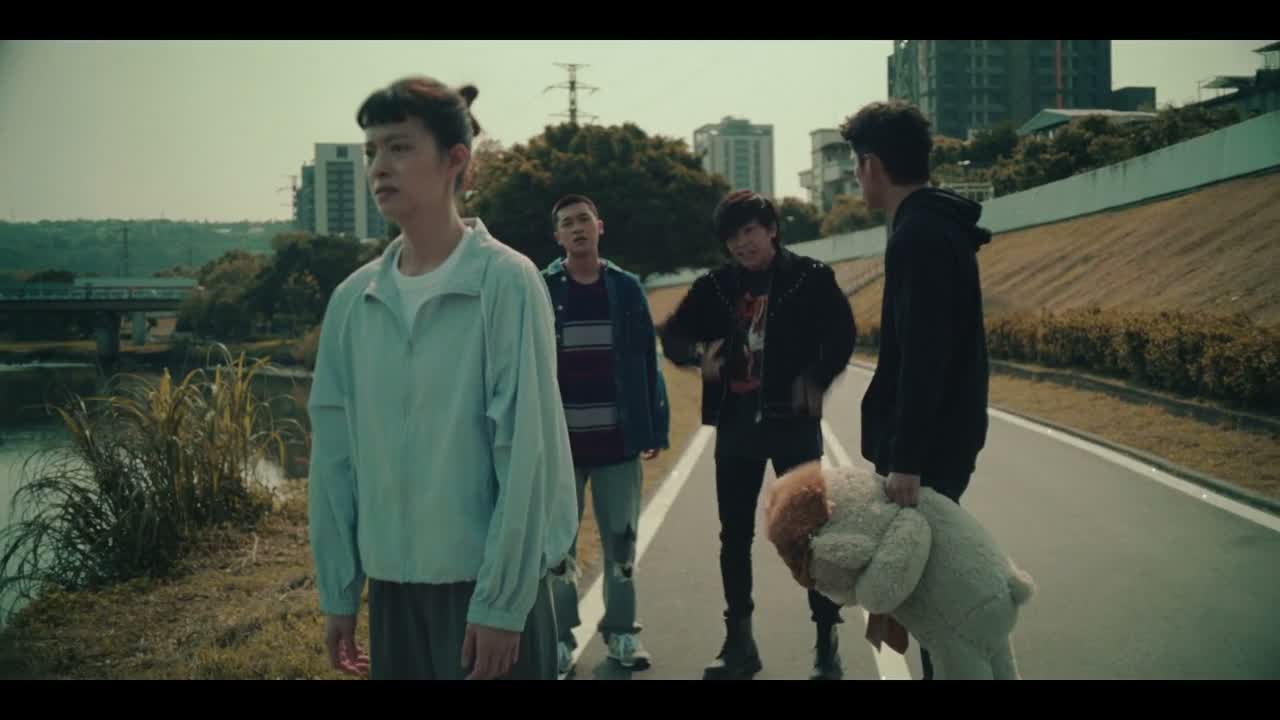
“Wow, you're already on the same page.”

“We've understood each other for half a lifetime.”

“we work really well together as a team.”

“You two work great together. Old partners still click.”