爸 这事不能怪周瑾 怪我
“Dad, this isn't Zhou Jin's fault. It's my fault.”
THE DIALOGUE REEL
你不要命了
“Do you have a death wish?”
爸 这事 不能怪 周瑾 怪我
“Dad, this isn't Zhou Jin's fault. It's my fault.”
没拦住她
“I couldn't stop her.”
“Please stop yelling at her; if you want to be mad at someone, take it out on me.”
In Chinese family disputes, stepping up to take the blame ('怪我') is an honorable way to de-escalate tension and protect a third party from patriarchal authority.
LEARNING CHUNKS & PARTICLES
cannot blame / is not at fault
A frequent pattern used to absolve someone of responsibility when resolving interpersonal conflicts.
blame me / my fault
A concise and direct spoken expression used to step forward and shoulder responsibility.
VOCABULARY & EXPRESSIONS
Parallel Spoken Cinema Scenes (语义近邻切片)
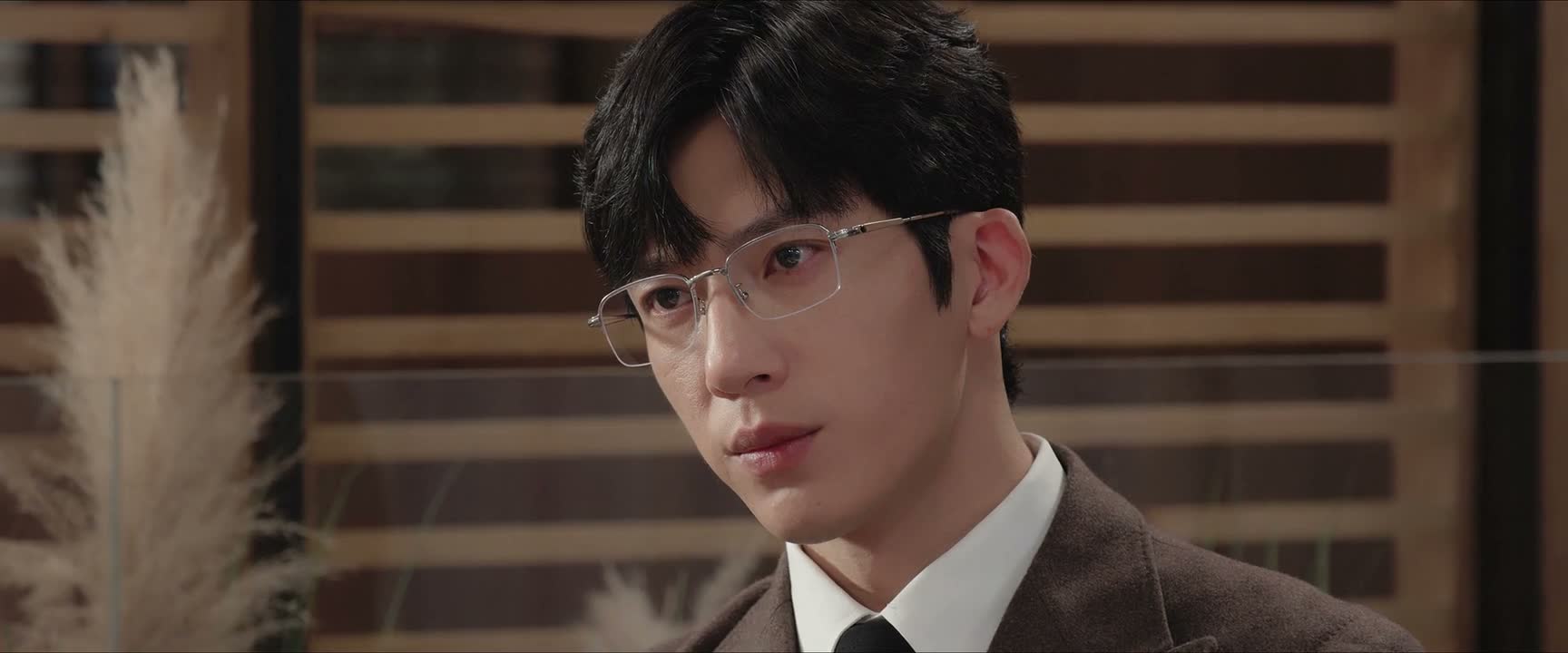
“If it weren't for the fact that her parents are getting old and she's the only one left,”
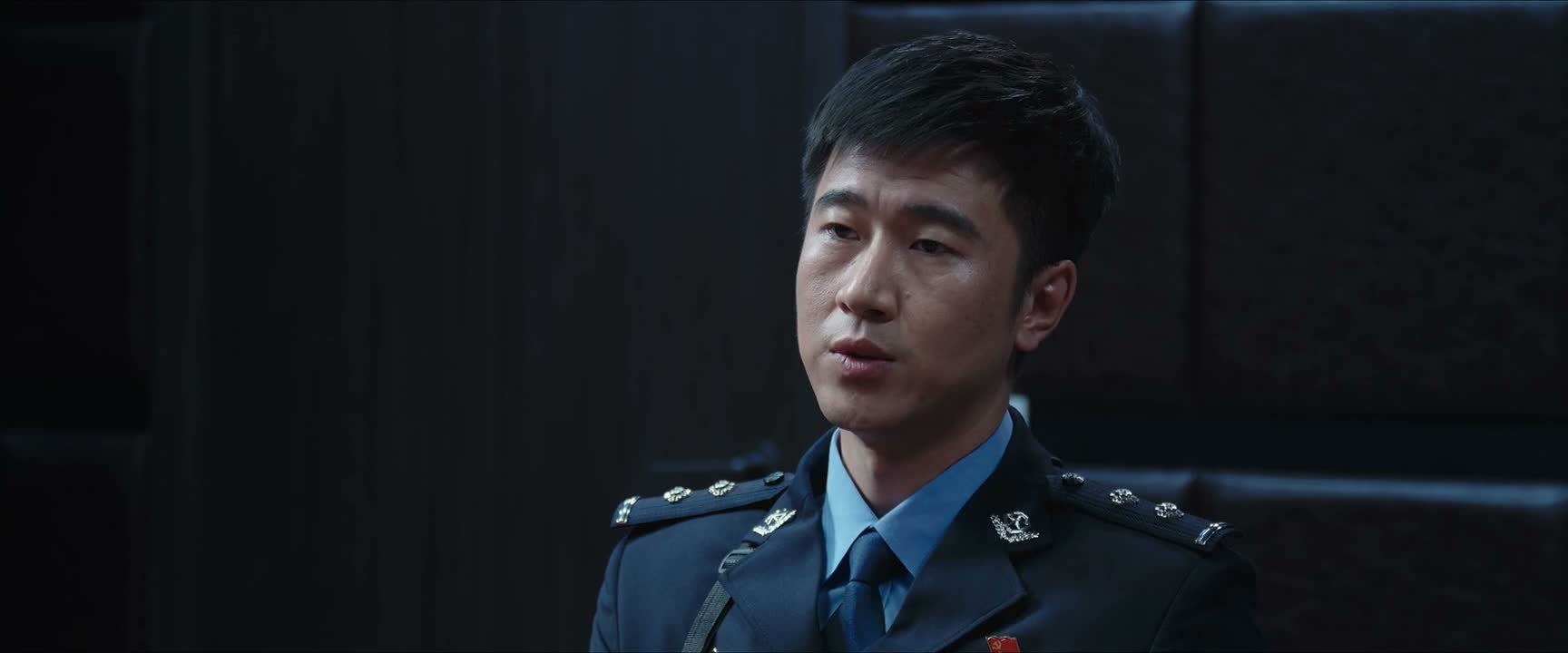
“Fortunately, Zhou Jin reacted quickly and dragged me back.”
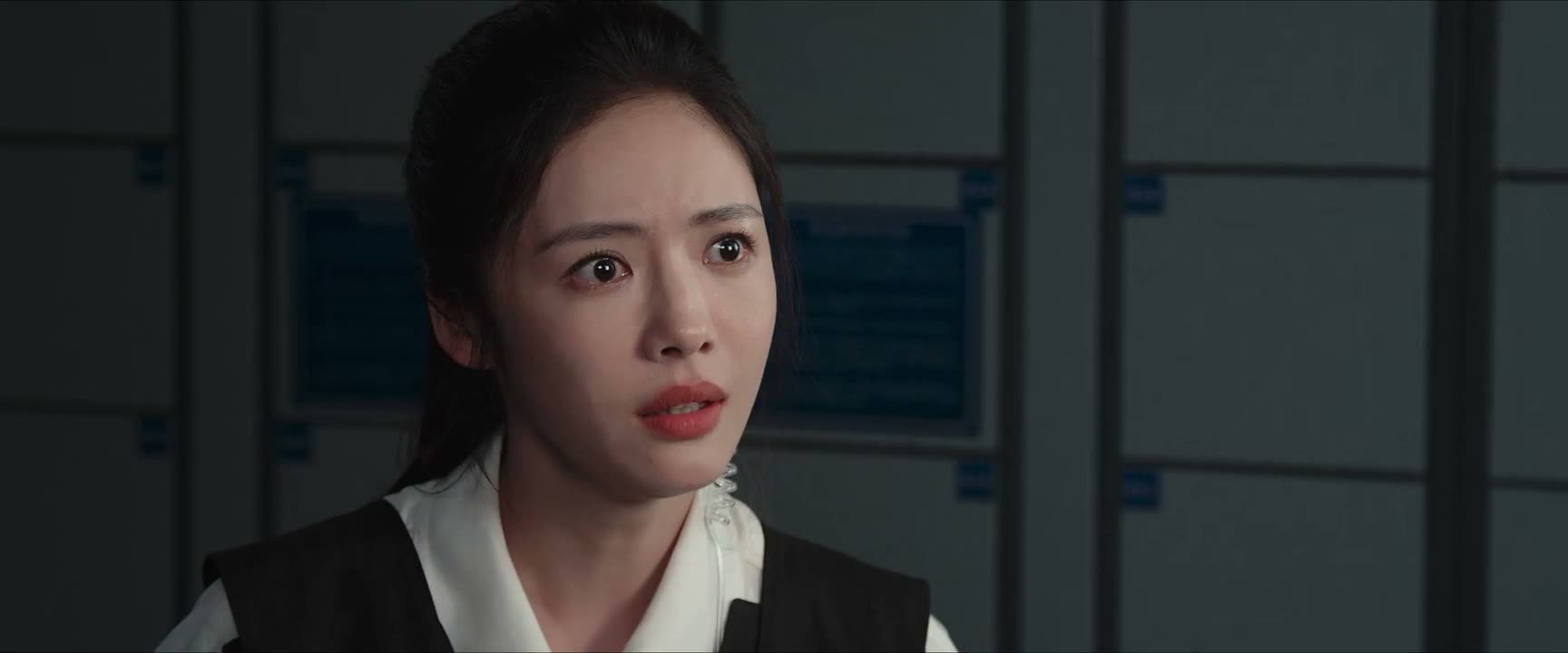
“Zhou Jin, don't put that kind of weight on me.”
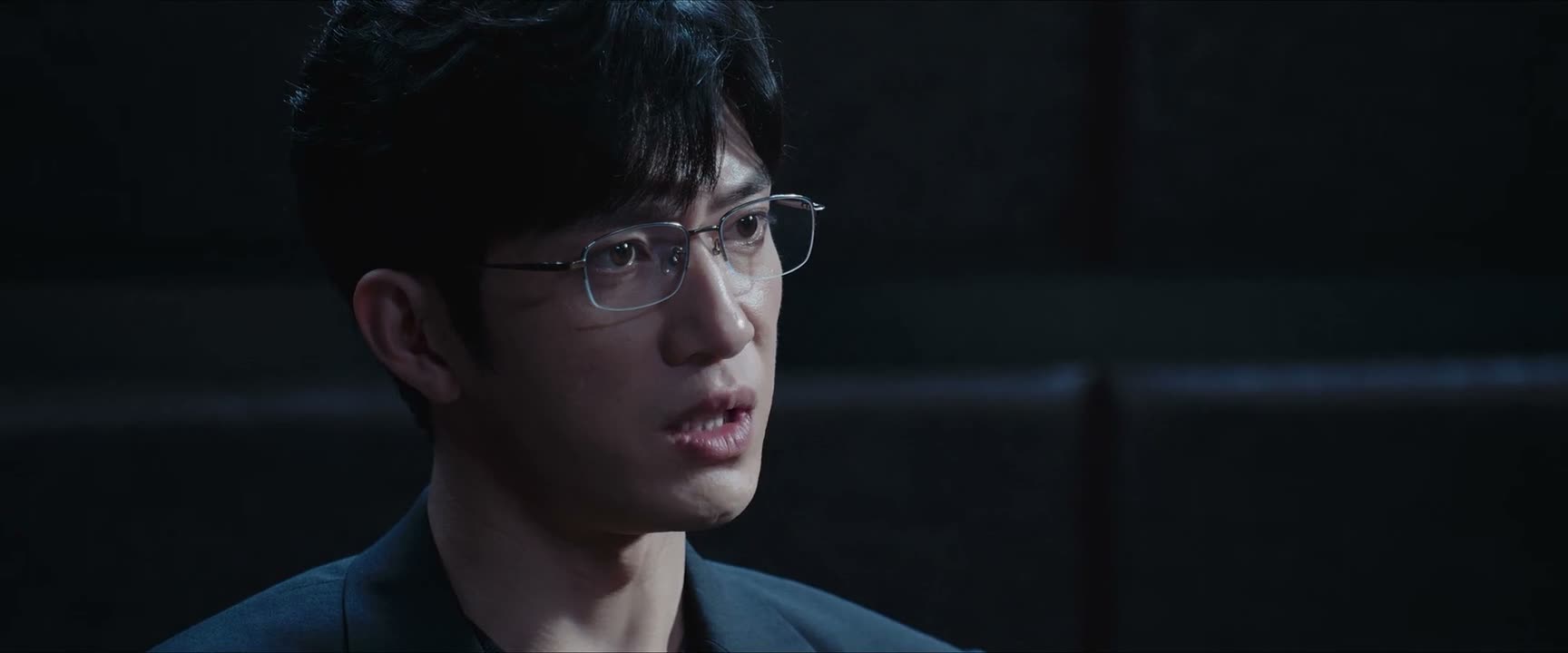
“why did you insist on seeing Zhou Jin?”
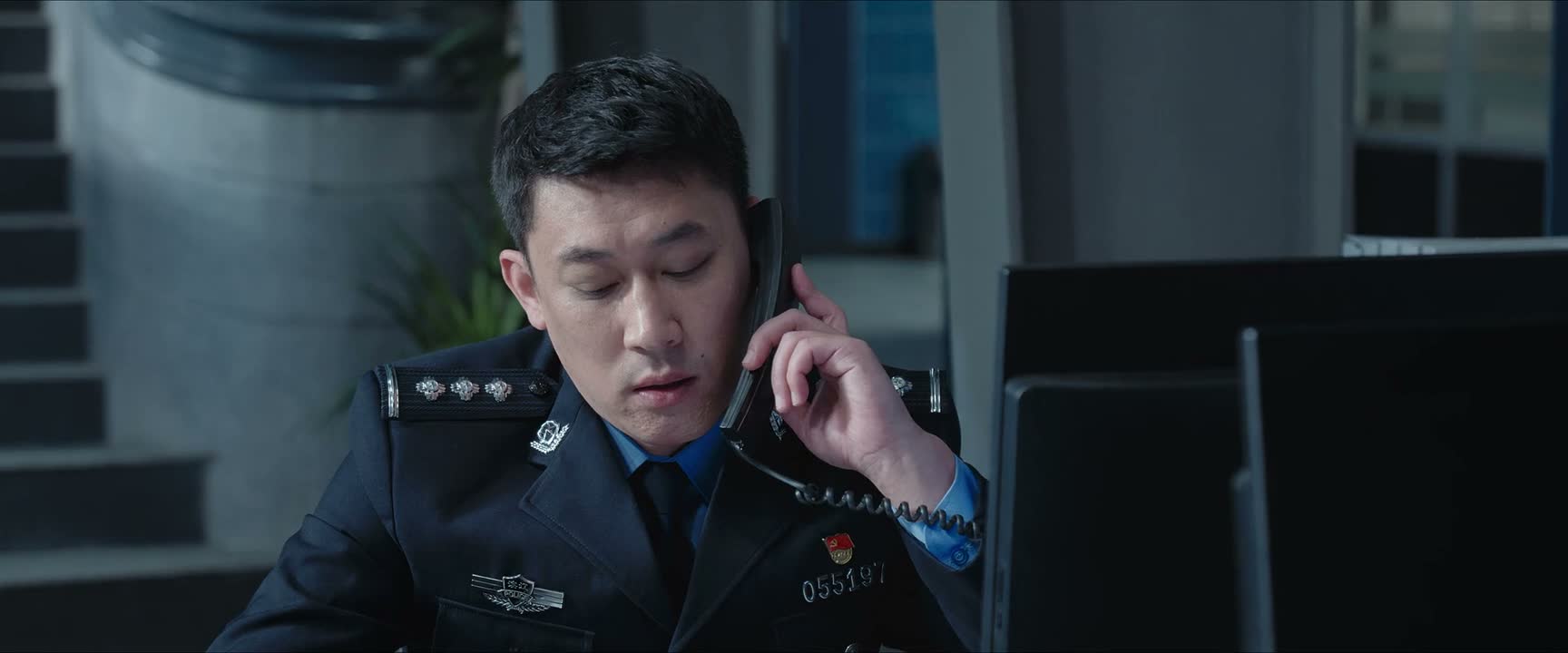
“Hello, is Zhou Jin there?”

“Zhou Jin, Zhou Jin, don't rush.”