MC
MandarinClips Cinema Corpus
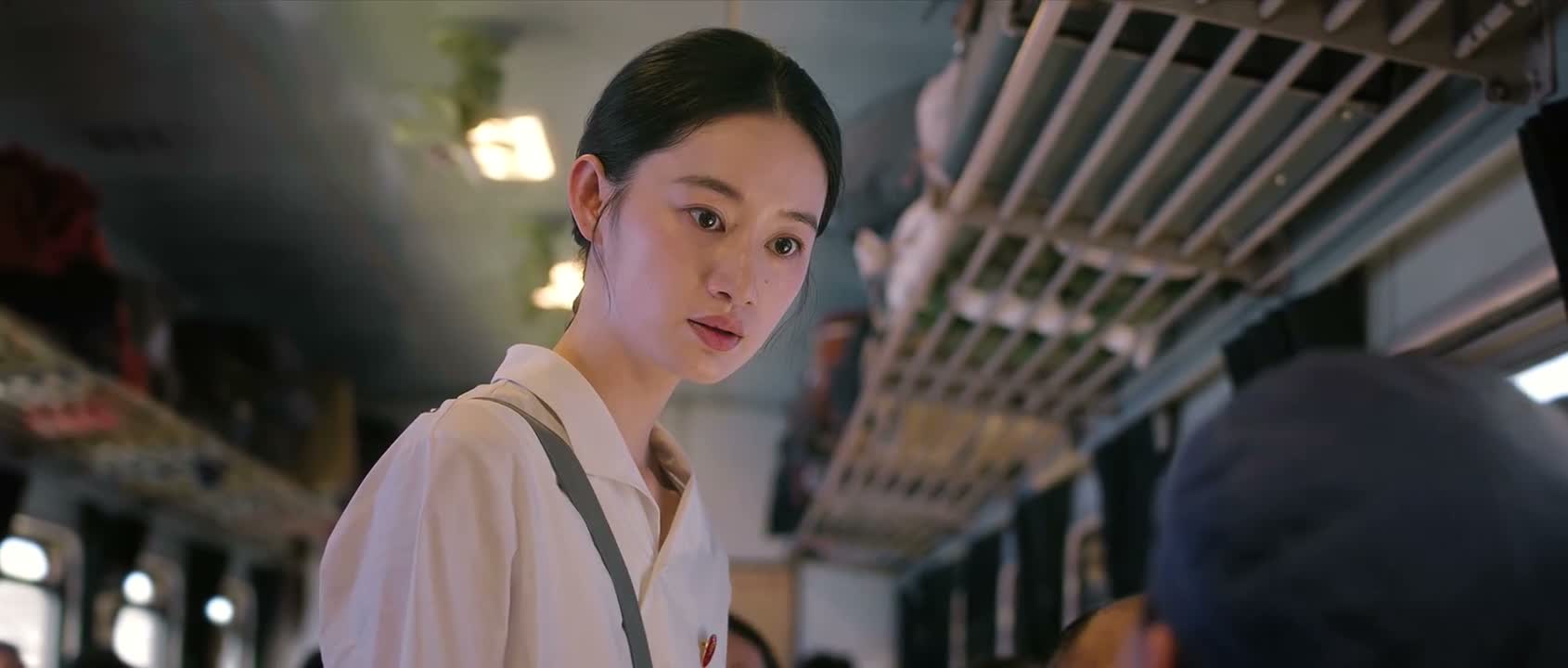
《The Glamorous Night》 S1·E11 (11:22) HSK 7
wèi shén me huán gěi nǐ xiān shēng liú miàn zi liú yú dì

为什么还给你先生 留面子 留余地

“Why spare your husband's feelings or give him leeway?”

《The Glamorous Night》 S1·E11
TIMECODE: 11:22 · 1080P MASTER AUDIO

THE DIALOGUE REEL

1+1+1 SPOKEN CONTINUITY
[-1] PREVIOUS TURN nǐ kàn nǐ dōu zhǔn bèi lí hūn le

你看你都准备离婚了

“You're getting divorced.”

wèi shén me huán gěi nǐ xiān shēng liú miàn zi liú yú dì CURRENT FOCUS

为什么 还给你 先生 留面子 留余地

“Why spare your husband's feelings or give him leeway?”

[+1] FOLLOW-UP TURN tā hé wǒ men de dà lǎo bǎn hěn shú hé wǒ de bù shǎo tóng shì guān xì dōu hěn shēn

他和我们的大老板很熟 和我的不少同事关系都很深

“He's close with our top boss and has deep ties with many of my colleagues.”

Subtitles synced to millisecond timecode Browse Show Clips →
Scene: Social & Dating
Function: QUESTIONING RATIONALE
Tone: INQUISITIVE
Emotion: CONFUSION
WHAT THEY REALLY MEAN (PRAGMATIC SUBTEXT)

Direct spoken expression in this communicative setting.

💡 Cultural Insight: Mianzi and Leaving Leeway

In Chinese social relations, completely humiliating an opponent or burning bridges is discouraged; leaving room for compromise or mutual dignity is seen as prudent social conduct.

INTENT TAGS: #inquiry #challenging #curiosity #relationship_advice
🧩

LEARNING CHUNKS & PARTICLES

2 CHUNKS · 0 PARTICLES
留面子 SPOKEN CHUNK

to save face for someone; to preserve someone's dignity

Commonly used when refraining from humiliating or exposing someone in front of others.

留余地 SPOKEN CHUNK

to leave leeway; to leave room for maneuver

Used to describe not pushing a conflict or negotiation to an irreversible extreme.
🏮

VOCABULARY & EXPRESSIONS

4 EXPR · 0 GRAMMAR
CROSS-CINEMA CORPUS BOARD · PARALLEL SCENES

Parallel Spoken Cinema Scenes (语义近邻切片)

EXPLORE BY SEMANTIC SIMILARITY
《The Glamorous Night》 S1·E11 (11:22) · Authentic Cinema Dialogue Corpus