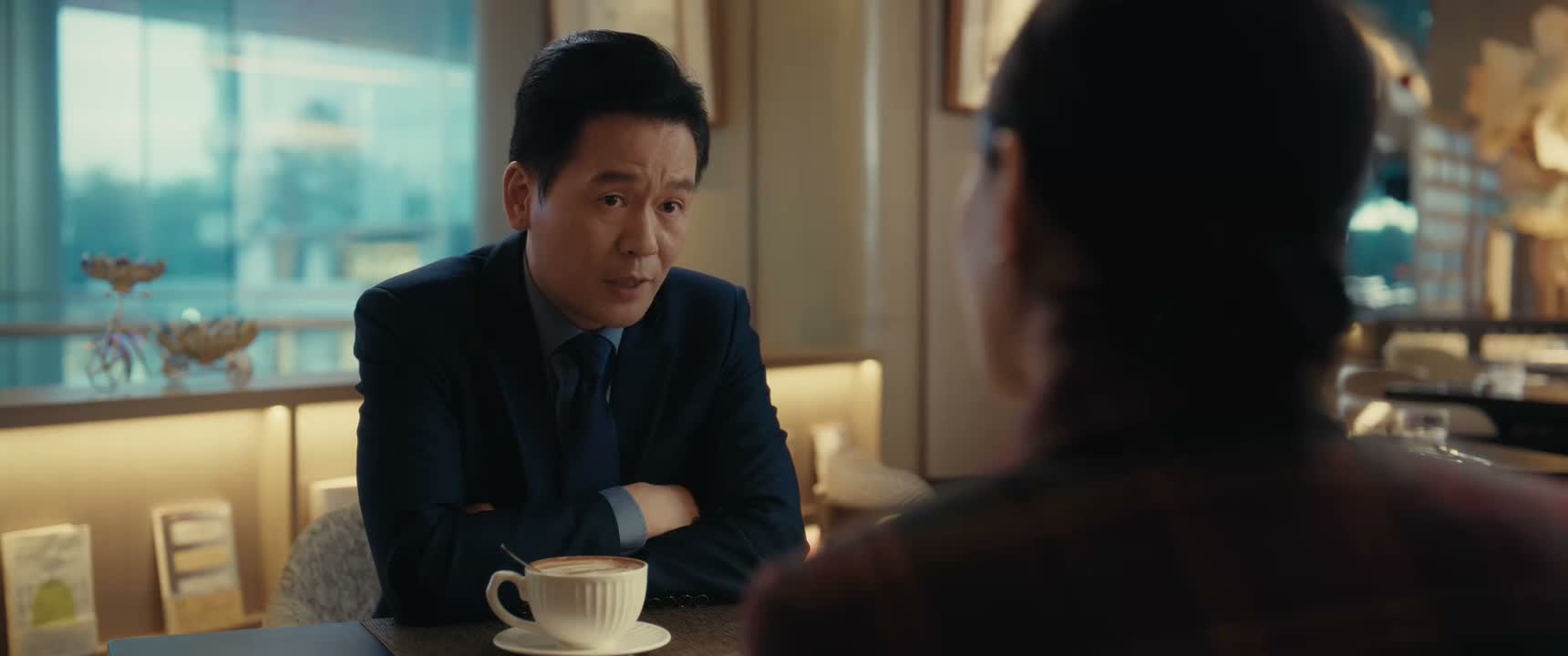
《Love Story in the 1970s》 S1·E3 (11:55)
HSK 6
zěn me hái chéng nǐ de le
怎么还成你的了
“Since when is it yours?”
《Love Story in the 1970s》
S1·E3
TIMECODE: 11:55
·
1080P MASTER AUDIO
THE DIALOGUE REEL
[-1] PREVIOUS TURN
nǐ kě zhēn yǒu yì si huǒ chē shàng de zuò wèi shuí xiān zuò zhe shéi de
你可真有意思 火车上的座位谁先坐着谁的
“You're funny. On a train, whoever sits first owns it.”
zěn me hái chéng nǐ de le
CURRENT FOCUS
怎么还 成你的了
“Since when is it yours?”
[+1] FOLLOW-UP TURN
zhè shì wǒ de zuò wèi shàng miàn yǒu zuò wèi hào mǎ
“It is my seat. There's a seat number on it.”
Subtitles synced to millisecond timecode
Browse Show Clips →
Scene:
Travel & Transit
Function:
CHALLENGING CLAIM
Tone:
CONFRONTATIONAL
Emotion:
ANNOYANCE
WHAT THEY REALLY MEAN (PRAGMATIC SUBTEXT)
“You have no right to this seat, so stop acting entitled.”
💡 Cultural Insight: Train Seat Hegemony (Ba-zuo)
Refusing to yield an assigned train seat by claiming 'first come, first served' is recognized as uncivilized behavior ('ba-zuo') in modern China, prompting strong moral and regulatory pushback.
INTENT TAGS:
#confrontation
#disbelief
#challenging_claim
#asserting_rights
🧩
1 CHUNKS · 1 PARTICLES
LEARNING CHUNKS & PARTICLES
怎么还成
SPOKEN CHUNK
how come it has turned into; how did it even become
Expresses indignation and disbelief that an absurd claim or situation has materialized.
Modal Particle「了」 (le)
CHANGE OF STATE
Signals the emergence of an unacceptable new status quo that the speaker is refuting.
🏮
2 EXPR · 1 GRAMMAR
VOCABULARY & EXPRESSIONS
COLLOQUIAL EXPRESSIONS:
GRAMMAR BLUEPRINTS:
CROSS-CINEMA CORPUS BOARD · PARALLEL SCENES
EXPLORE BY SEMANTIC SIMILARITY
Parallel Spoken Cinema Scenes (语义近邻切片)

《Love Story in the 1970s》 S1·E3 (11:55) · Authentic Cinema Dialogue Corpus