对得起父王在天之灵吗
“How can you face Father's spirit in Heaven?”
THE DIALOGUE REEL
如烂泥一般
“You're a complete mess!”
对得起 父王 在天之灵 吗
“How can you face Father's spirit in Heaven?”
你可知杀父王之人是谁
“Do you know who killed Father?”
“Snap out of your pathetic state—you are bringing shame upon our father's memory.”
Evoking a deceased parent's spirit in heaven is one of the strongest rhetorical devices to trigger profound shame and moral duty.
LEARNING CHUNKS & PARTICLES
to be worthy of; to not let down
A very common moral phrase used to weigh whether actions meet moral, familial, or personal expectations.
the soul in heaven; the spirit of the deceased
A set idiomatic phrase invoking deceased forebears, often used to spur moral accountability or seek blessings.
Transforms the statement into a piercing rhetorical question designed to shame the interlocutor.
VOCABULARY & EXPRESSIONS
Parallel Spoken Cinema Scenes (语义近邻切片)

“to appease Father's spirit in Heaven.”

“What I seek is your recognition”
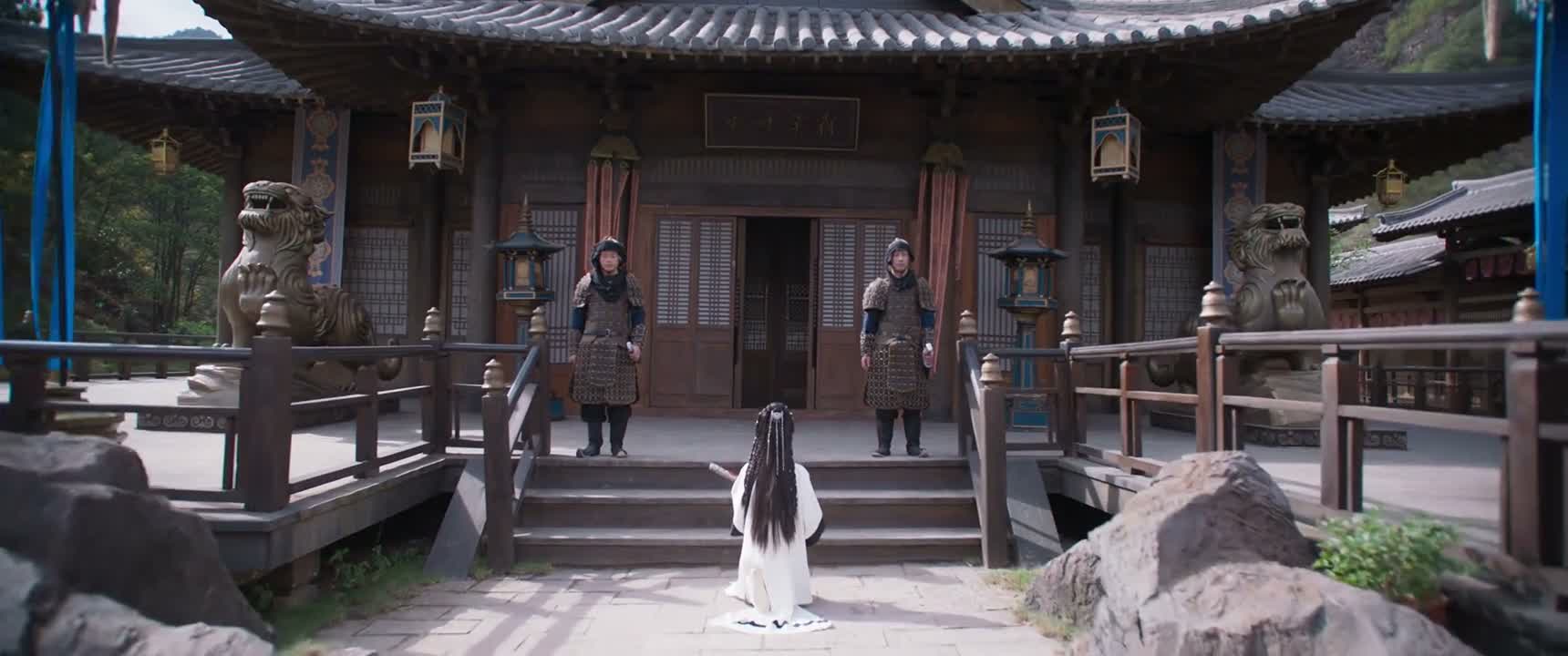
“Father, please uphold justice for my husband”

“If you don't trust me,”

“Do you think he'd blame me? He wouldn't.”
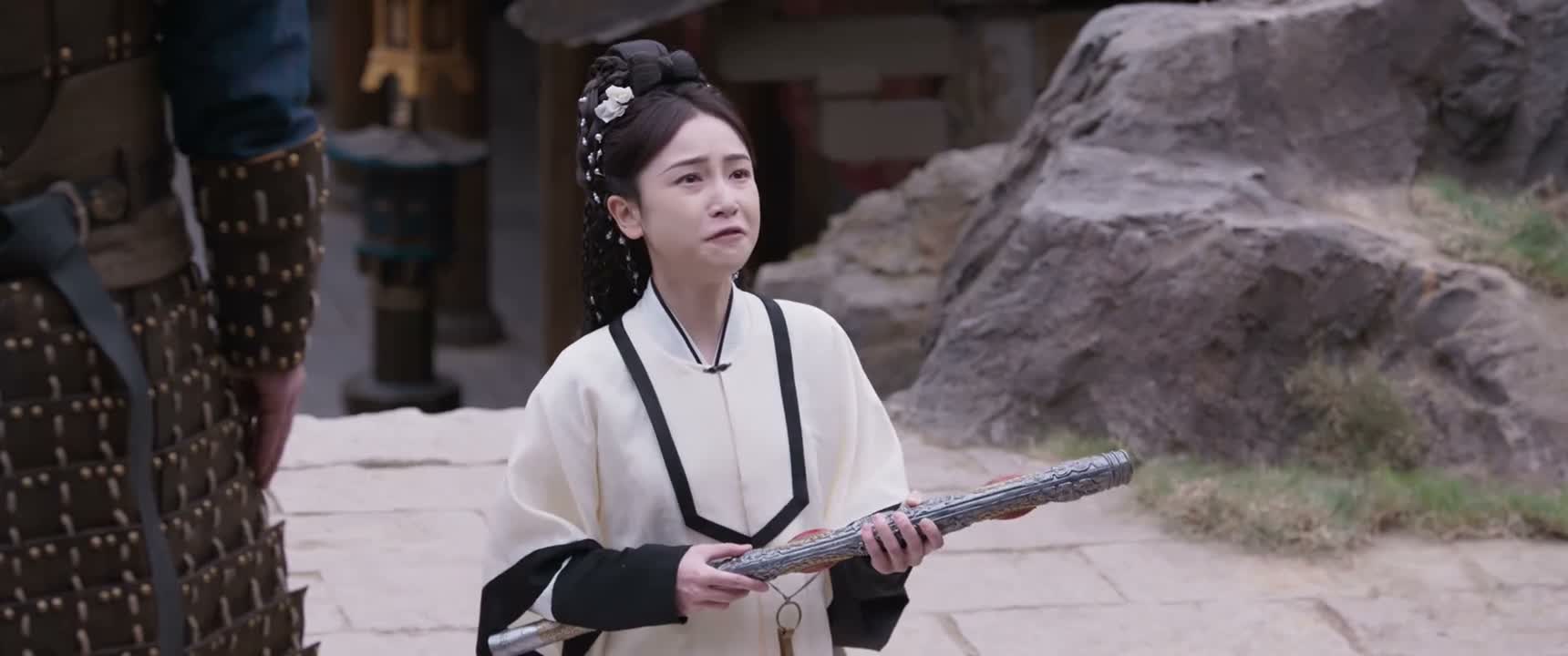
“Father, please uphold justice for my husband!”