你说父王会不会怪我 不会的
“Do you think he'd blame me? He wouldn't.”
THE DIALOGUE REEL
我未能亲手给父王报仇
“I didn't get to avenge my father with my own hands.”
你说 父王 会不会怪我 不会的
“Do you think he'd blame me? He wouldn't.”
父王肯定不愿看到 自己最引以为傲的儿子
“Father certainly wouldn't want to see the son he was most proud of”
“I feel like a failure for not avenging him myself, but I desperately need to hear that he would understand.”
In traditional Chinese culture, failing to personally avenge a slain parent is seen as a severe failure of filial piety, causing profound moral distress.
LEARNING CHUNKS & PARTICLES
whether or not; is it likely to
A standard A-not-A question pattern used to speculate or ask about potential future or emotional outcomes.
it won't happen; certainly not
A common spoken phrase used to comfort or reassure someone by firmly denying their fear.
Functions as a sentence-final particle reinforcing certainty and emotional reassurance.
VOCABULARY & EXPRESSIONS
Parallel Spoken Cinema Scenes (语义近邻切片)

“That way, if my father scolds me, I can defend myself.”
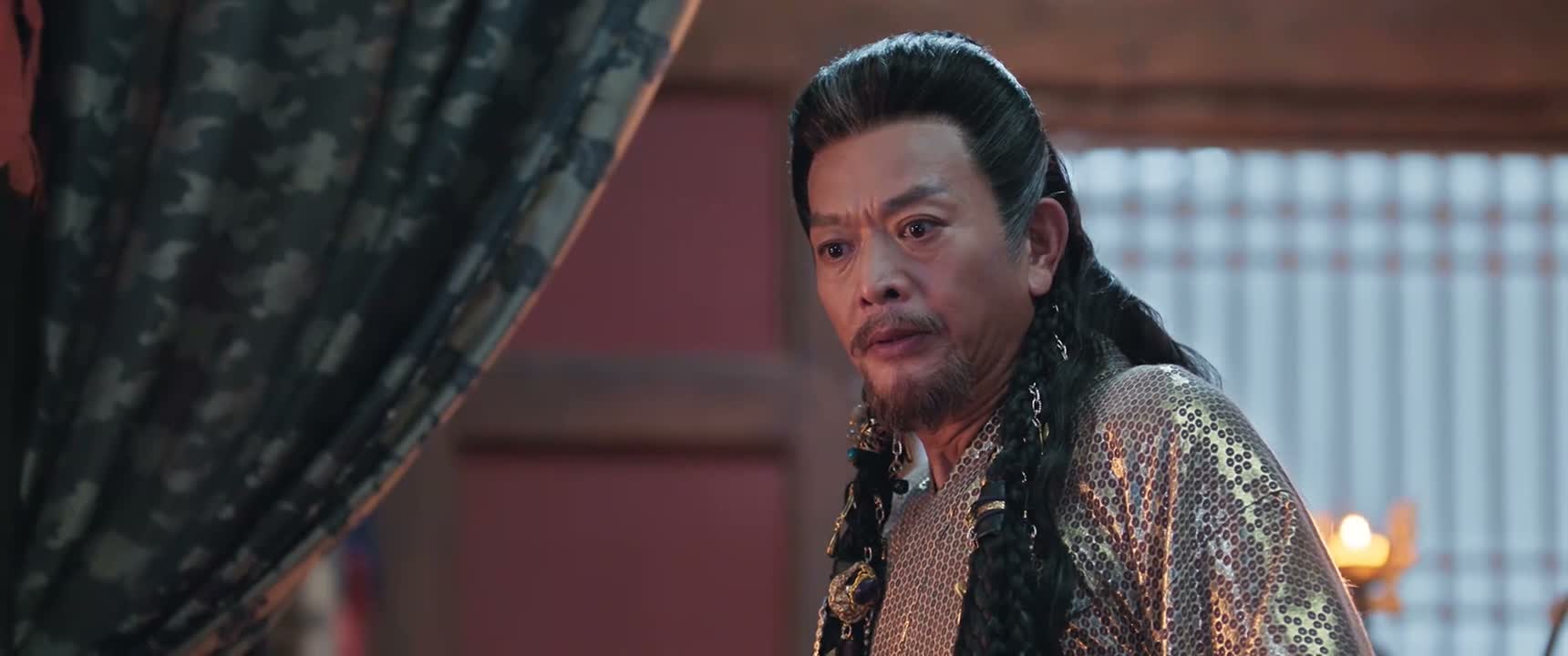
“If you don't trust me,”

“Why would I?”
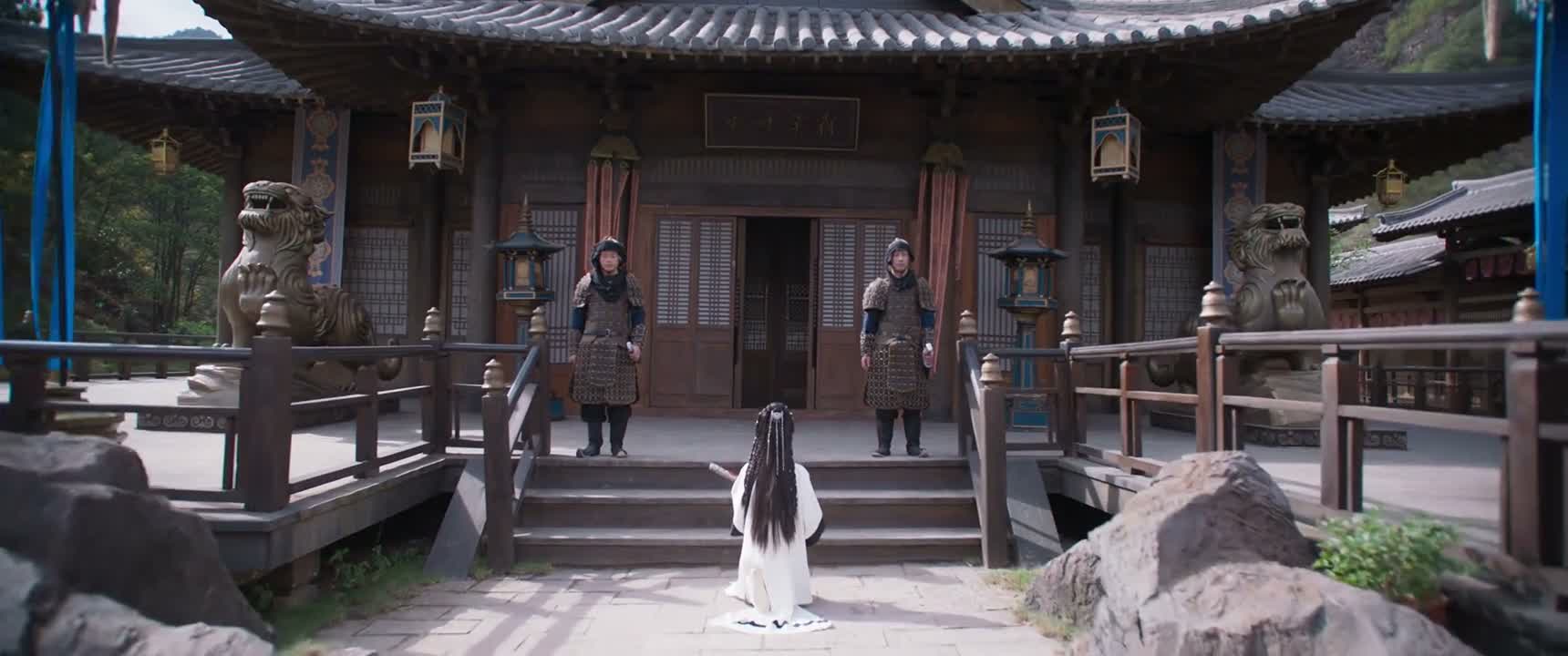
“Father, please uphold justice for my husband”
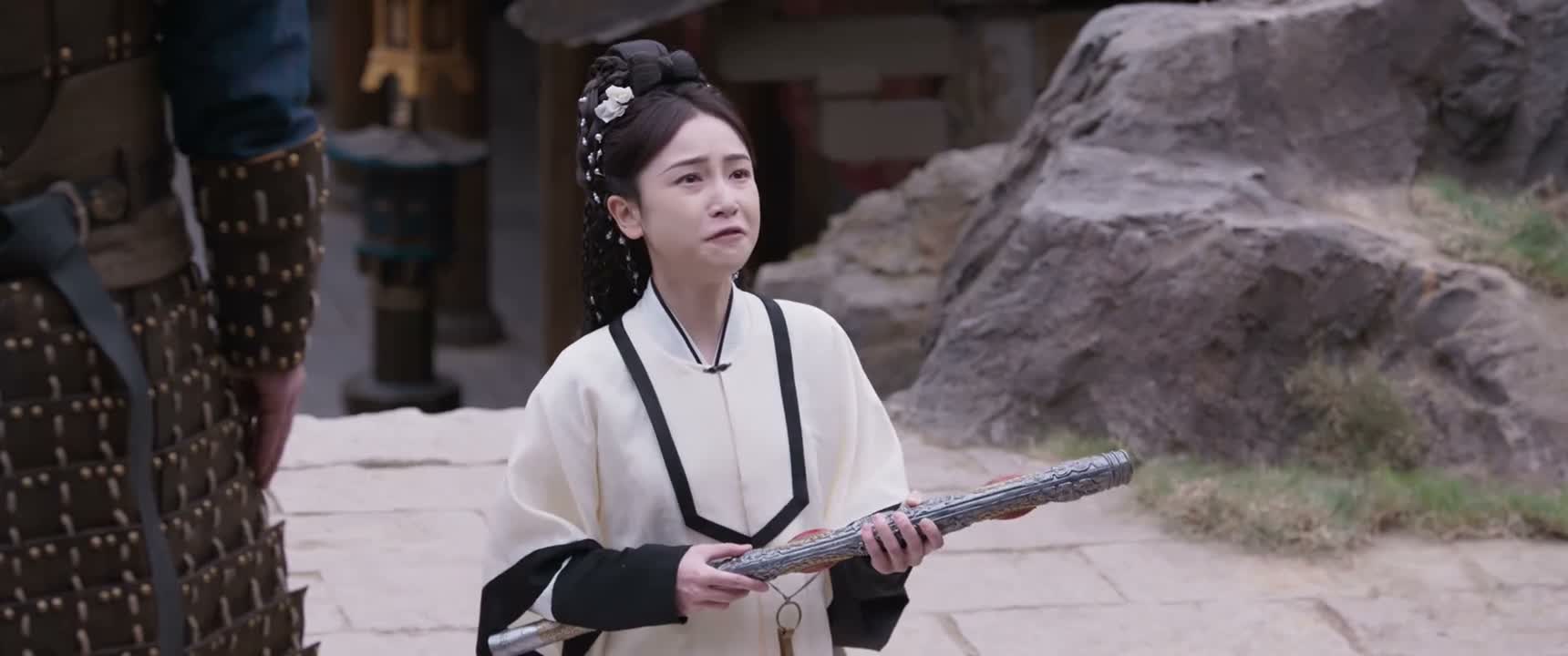
“Father, please uphold justice for my husband!”
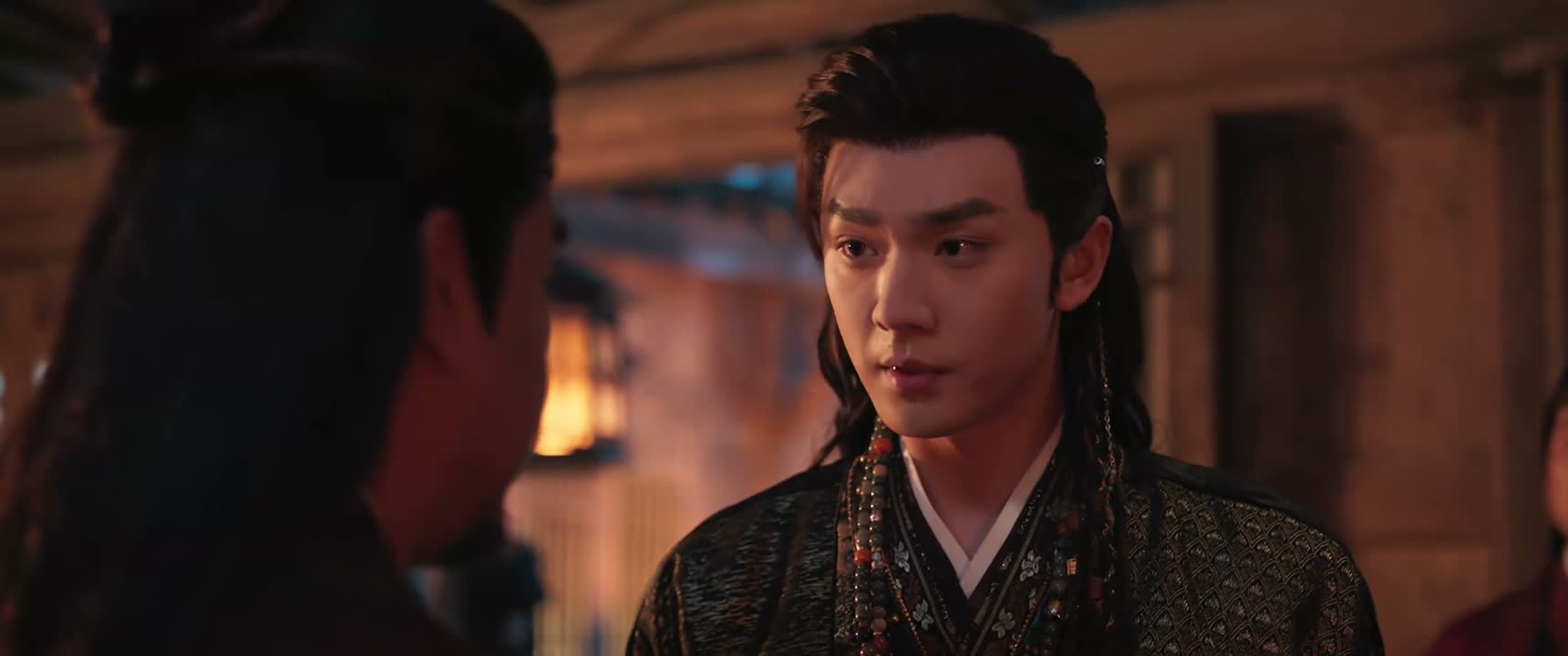
“I think you don't care about my father's cause of death.”