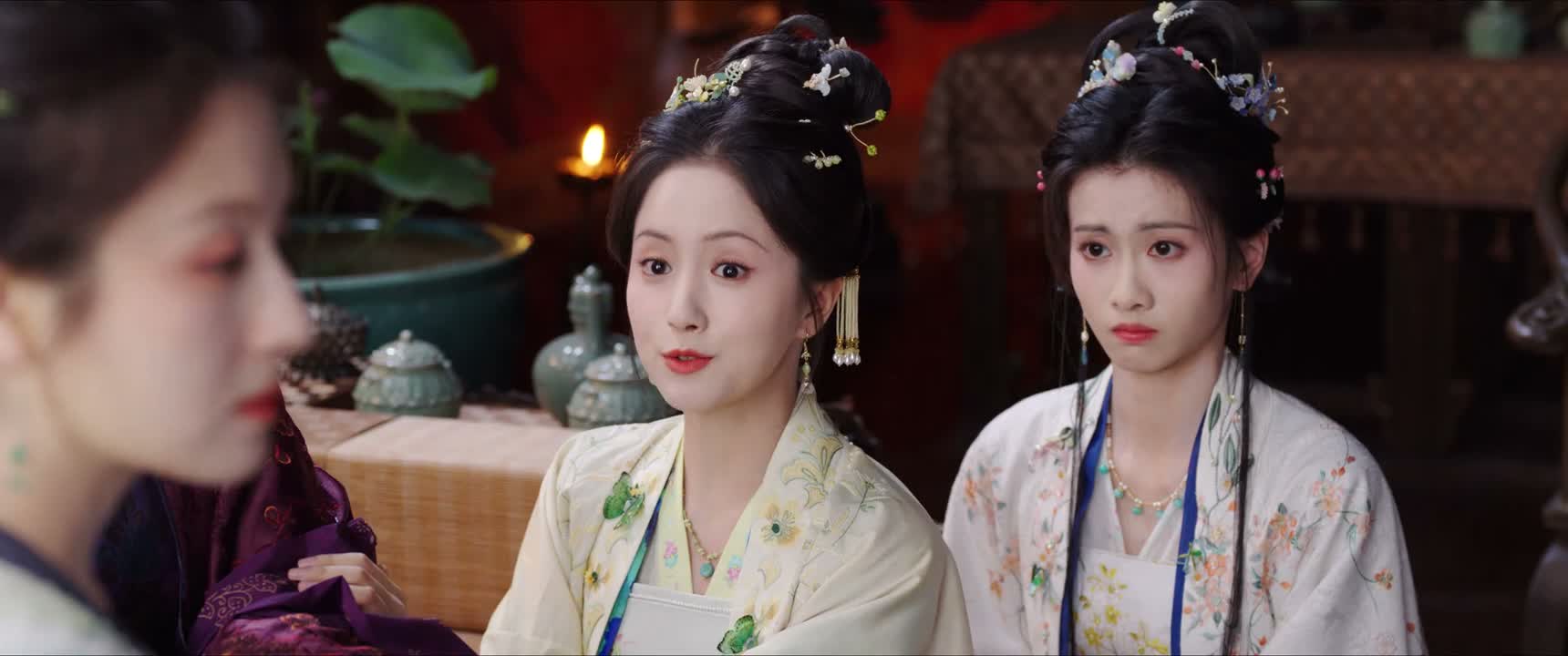
《Born to Be Alive》 S1·E9 (30:56)
HSK 3
nǐ hái tǐng yǒu zì zhī zhī míng de
你还挺有自知之明的
“You're quite self-aware.”
《Born to Be Alive》
S1·E9
TIMECODE: 30:56
·
1080P MASTER AUDIO
THE DIALOGUE REEL
[-1] PREVIOUS TURN
shuō le wǒ bù shǎo huài huà ba
“He said a lot of bad things about me, right?”
nǐ hái tǐng yǒu zì zhī zhī míng de
CURRENT FOCUS
你 还挺 有自知之明 的
“You're quite self-aware.”
[+1] FOLLOW-UP TURN
shuō nǐ jiàng zuǐ yìng
“He said you're stubborn, always putting on a tough front,”
Subtitles synced to millisecond timecode
Browse Show Clips →
Scene:
Social & Dating
Function:
TEASING ACKNOWLEDGMENT
Tone:
TEASING
Emotion:
AMUSEMENT
WHAT THEY REALLY MEAN (PRAGMATIC SUBTEXT)
“You guessed right, so at least you admit your flaws.”
💡 Cultural Insight: Teasing as Rapport Building
In close Chinese friendships or colleague dynamics, light teasing about each other's flaws signals comfort and mutual trust rather than genuine insult.
INTENT TAGS:
#banter
#teasing
#validation
#informal_critique
🧩
1 CHUNKS · 1 PARTICLES
LEARNING CHUNKS & PARTICLES
自知之明
SPOKEN CHUNK
self-knowledge; awareness of one's own limitations
A common idiom often paired with '有' (to have) or '缺乏' (to lack), frequently used in teasing or mildly critical contexts.
Modal Particle「的」 (de)
CHANGE OF STATE
Affirms the descriptive evaluation and adds a light, spoken confirmation tone.
🏮
2 EXPR · 0 GRAMMAR
VOCABULARY & EXPRESSIONS
COLLOQUIAL EXPRESSIONS:
CROSS-CINEMA CORPUS BOARD · PARALLEL SCENES
EXPLORE BY SEMANTIC SIMILARITY
Parallel Spoken Cinema Scenes (语义近邻切片)


《Born to Be Alive》 S1·E9 (30:56) · Authentic Cinema Dialogue Corpus