成王殿下此言差矣
“Your Highness, you have mistaken.”
THE DIALOGUE REEL
郑白石 你可是要勾结李牧云 诬陷本王
“Zheng Baishi, are you conspiring with Li Muyun to falsely accuse me?”
成王殿下 此言差矣
“Your Highness, you have mistaken.”
下官只是赞同李寺卿依法定案 何来勾结之说
“I merely agreed with Minister Li's ruling according to the law. how is that conspiracy?”
“You are completely wrong, and I will not let you falsely accuse me.”
Even when falsely accused by royalty, officials had to employ refined classical phrases like '此言差矣' to disagree without violating decorum.
LEARNING CHUNKS & PARTICLES
what you say is mistaken / that is quite incorrect
A classical four-character set phrase used to politely yet firmly contradict someone's statement.
Your Highness
An honorific address reserved for royal princes and princesses in historical speech.
Classical sentence-final particle functioning like modern 'le', marking completion and firm assertion.
VOCABULARY & EXPRESSIONS
Parallel Spoken Cinema Scenes (语义近邻切片)
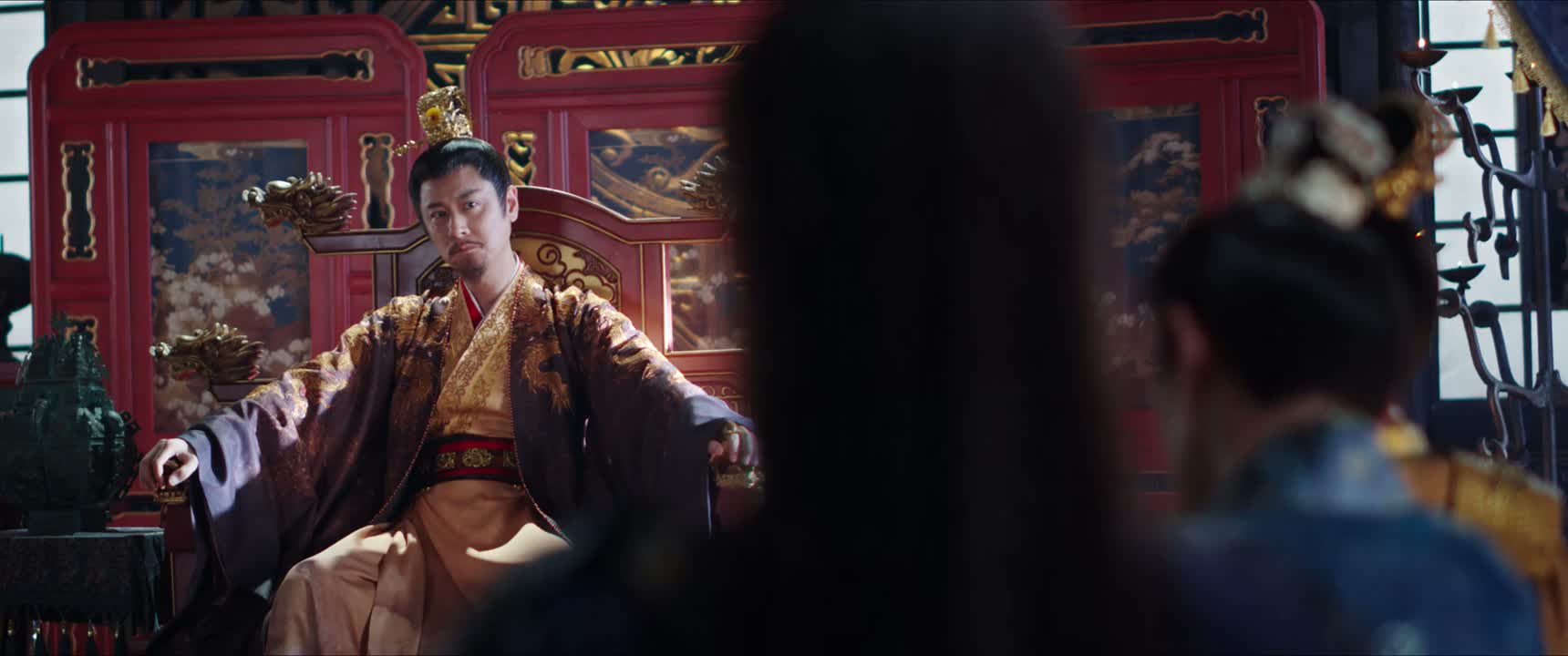
“What do you mean by this, Prince Cheng?”
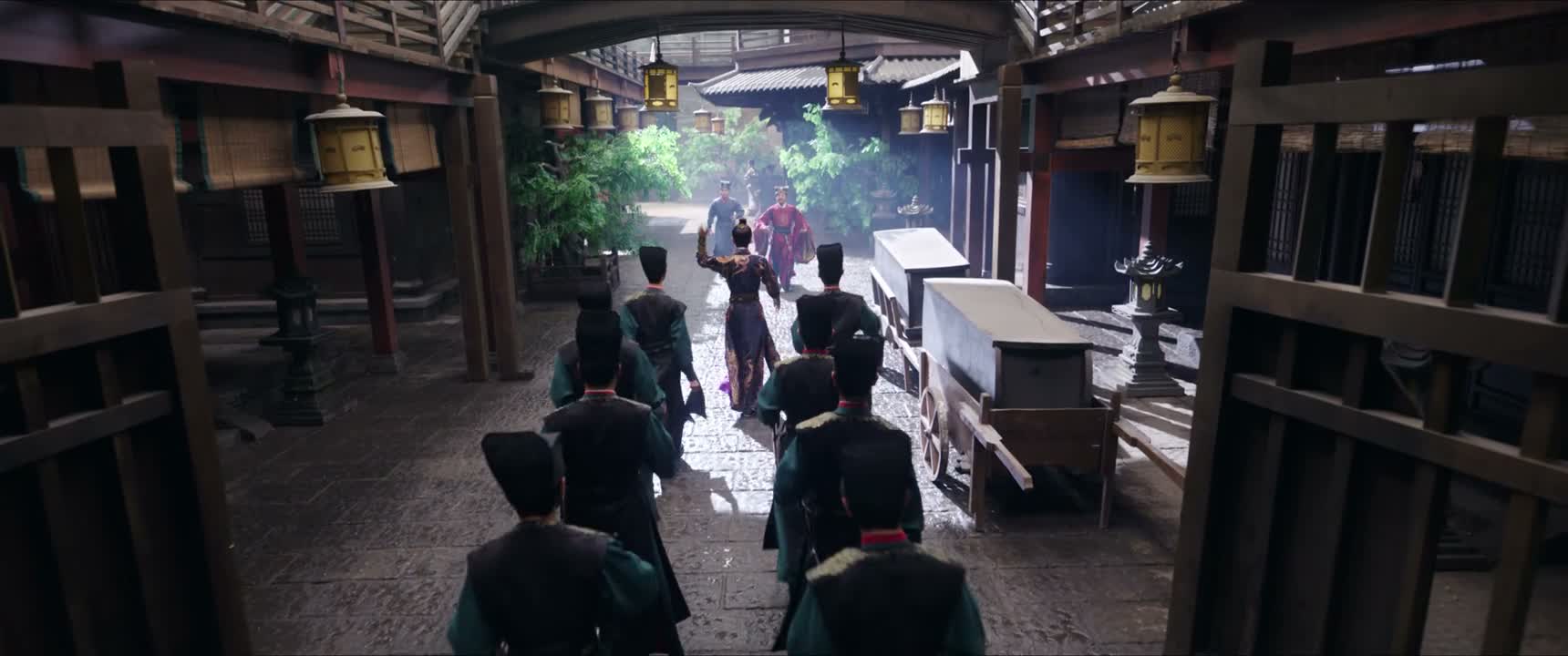
“Greetings, Your Highness. -Your Highness, what are you doing? -You…”

“and cannot be settled with such haste based solely on Prince Cheng's testimony.”

“There's no way Prince Cheng truly wants to marry me. We mustn't act rashly.”

“I don't think the Crown Prince and Prince Cheng are magnanimous.”

“Your Highness, you trust me too much.”