却为何对自己唯一的嫡子 毫无怜惜
“yet why does he show no affection toward his only legitimate son?”
THE DIALOGUE REEL
圣上既能恩允八姐姐归宁
“His Majesty could let Zhaoyu return home,”
却 为何 对 自己 唯一的嫡子 毫无怜惜
“yet why does he show no affection toward his only legitimate son?”
“His Majesty isn't necessarily showing affection to Qin Zhaoyu,”
“It makes no sense and breaks my heart that he favors a daughter over his own rightful heir.”
In imperial China, the 'dizi' (son born of the formal empress) held supreme ritual and political precedence; neglecting him contradicted fundamental Confucian dynastic norms.
LEARNING CHUNKS & PARTICLES
legitimate son (born of the legal wife/empress)
A historical term crucial in imperial or patriarchal contexts determining hereditary legitimacy.
completely devoid of pity or tenderness
Use this formal four-character collocation to describe a complete absence of compassion or tenderness.
VOCABULARY & EXPRESSIONS
Parallel Spoken Cinema Scenes (语义近邻切片)

“Whether you're born of the main wife or a concubine, in my heart,”

“He thought he was my only son,”
“She raised her stepchildren with everything she had.”

“He is his only legitimate son.”
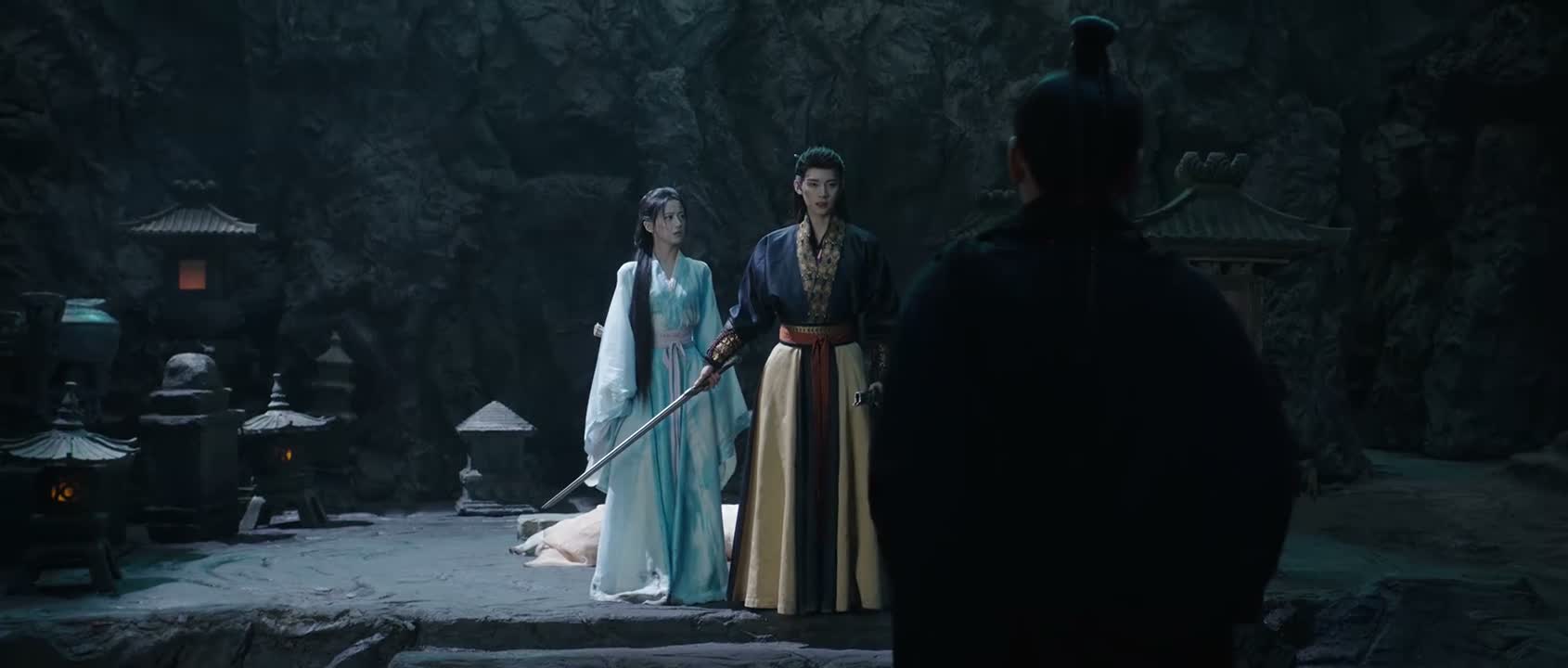
“without showing the slightest hesitation, he entrusted his only son to Qingque Sect.”

“I might be your only son,”