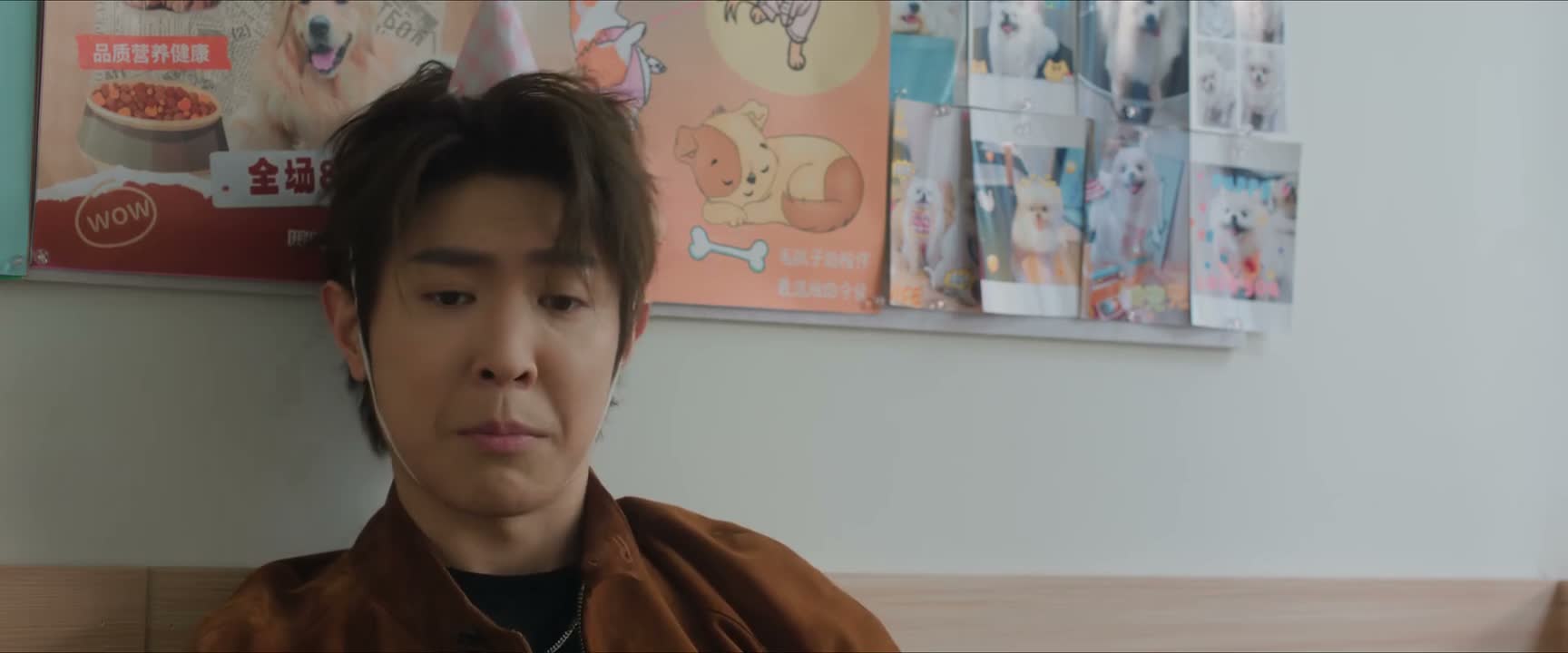
《The Imperial Coroner》 S2·E21 (16:33)
HSK 2
shì wǒ zì jǐ dǎ dī wǒ zì jǐ
是我自己打的我自己
“did I beat myself like this?”
《The Imperial Coroner》
S2·E21
TIMECODE: 16:33
·
1080P MASTER AUDIO
THE DIALOGUE REEL
[-1] PREVIOUS TURN
nán bù chéng
难不成
“What,”
shì wǒ zì jǐ dǎ dī wǒ zì jǐ
CURRENT FOCUS
是我自己打的 我自己
“did I beat myself like this?”
[+1] FOLLOW-UP TURN
shì nǐ de fū rén
是你的夫人
“It was your wife.”
Subtitles synced to millisecond timecode
Browse Show Clips →
Scene:
Crisis & Conflict
Function:
DEFLECTING BLAME
Tone:
EVASIVE
Emotion:
EMBARRASSMENT
WHAT THEY REALLY MEAN (PRAGMATIC SUBTEXT)
“Don't dig into this; I'd rather take the blame than reveal who really hit me.”
💡 Cultural Insight: Protecting Family Harmony (Jiachou Bu Ke Waiyang)
In Chinese culture, individuals often go to extreme lengths, including taking the blame, to prevent domestic conflicts and family scandals from becoming public knowledge.
INTENT TAGS:
#cover_up
#denial
#deflection
#protecting_others
🧩
1 CHUNKS · 0 PARTICLES
LEARNING CHUNKS & PARTICLES
我自己
SPOKEN CHUNK
myself
Used for emphasis to underline personal responsibility or autonomous action.
🏮
2 EXPR · 4 GRAMMAR
VOCABULARY & EXPRESSIONS
CROSS-CINEMA CORPUS BOARD · PARALLEL SCENES
EXPLORE BY SEMANTIC SIMILARITY
Parallel Spoken Cinema Scenes (语义近邻切片)
《The Imperial Coroner》 S2·E21 (16:33) · Authentic Cinema Dialogue Corpus