咱这不回去怕不合适啊
“If we don't go back, it may look bad.”
THE DIALOGUE REEL
今晚能住这儿吗
“Can I stay here tonight?”
咱 这不 回去 怕不合适 啊
“If we don't go back, it may look bad.”
“What's bad about it? It's so late. Where can she go?”
“We really shouldn't be staying over; it crosses a boundary and feels improper.”
In Chinese interpersonal communication, 'heshi' governs situational propriety; invoking it allows one to raise concerns about boundary violations without directly blaming anyone.
LEARNING CHUNKS & PARTICLES
afraid it might be improper or inappropriate
A classic indirect hedging phrase used to politely voice objections or decline a suggestion without sounding confrontational.
we here / our doing this
Colloquial northern spoken chunk used to refer to 'us' or the shared current situation in a casual, familiar manner.
Softens the mild objection, giving the statement a tone of consultative concern rather than an outright refusal.
VOCABULARY & EXPRESSIONS
Parallel Spoken Cinema Scenes (语义近邻切片)

“If I go back to China, I'm afraid I might not be used to it.”

“Afraid that once we leave, we won't come back,”

“If you don't go back, you won't be allowed back at all.”

“it might not be a good idea to go now. Don't go.”

“Exactly! I'm not going back.”
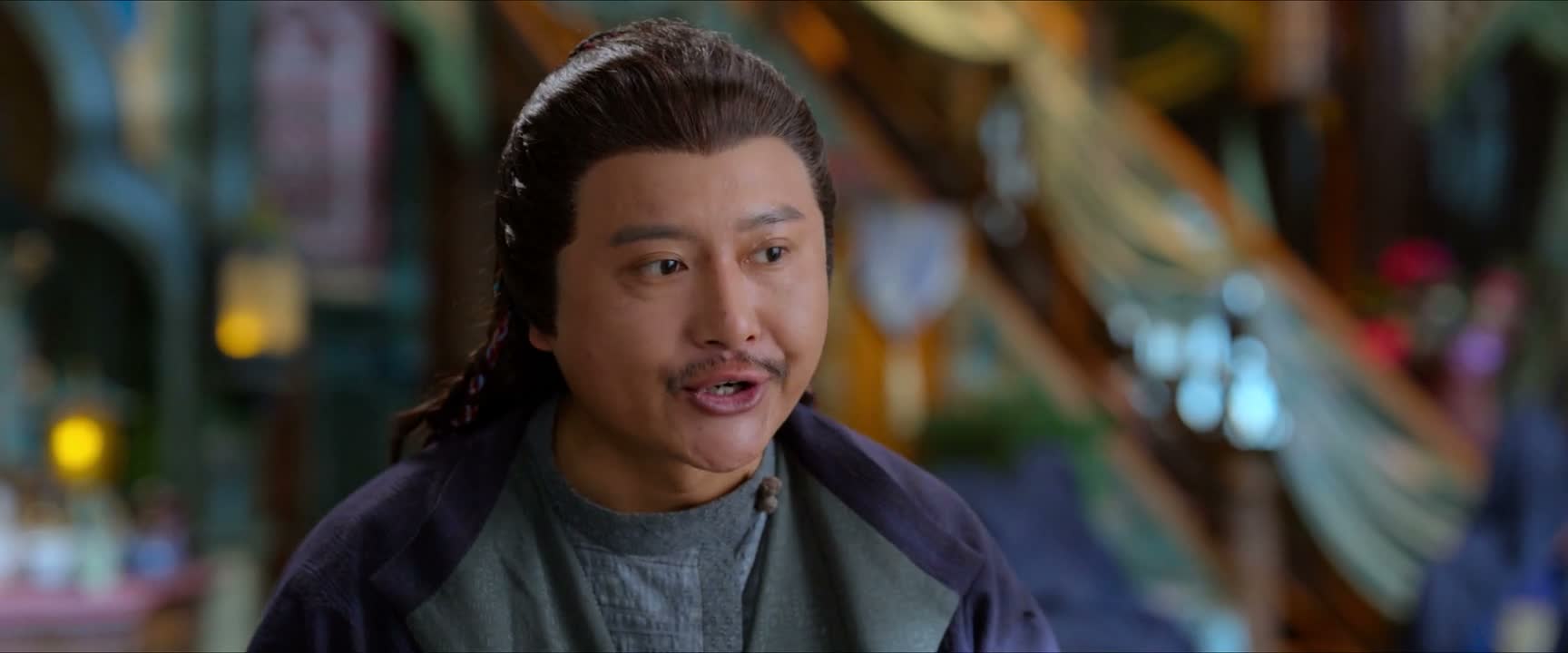
“I'm afraid that's not appropriate.”