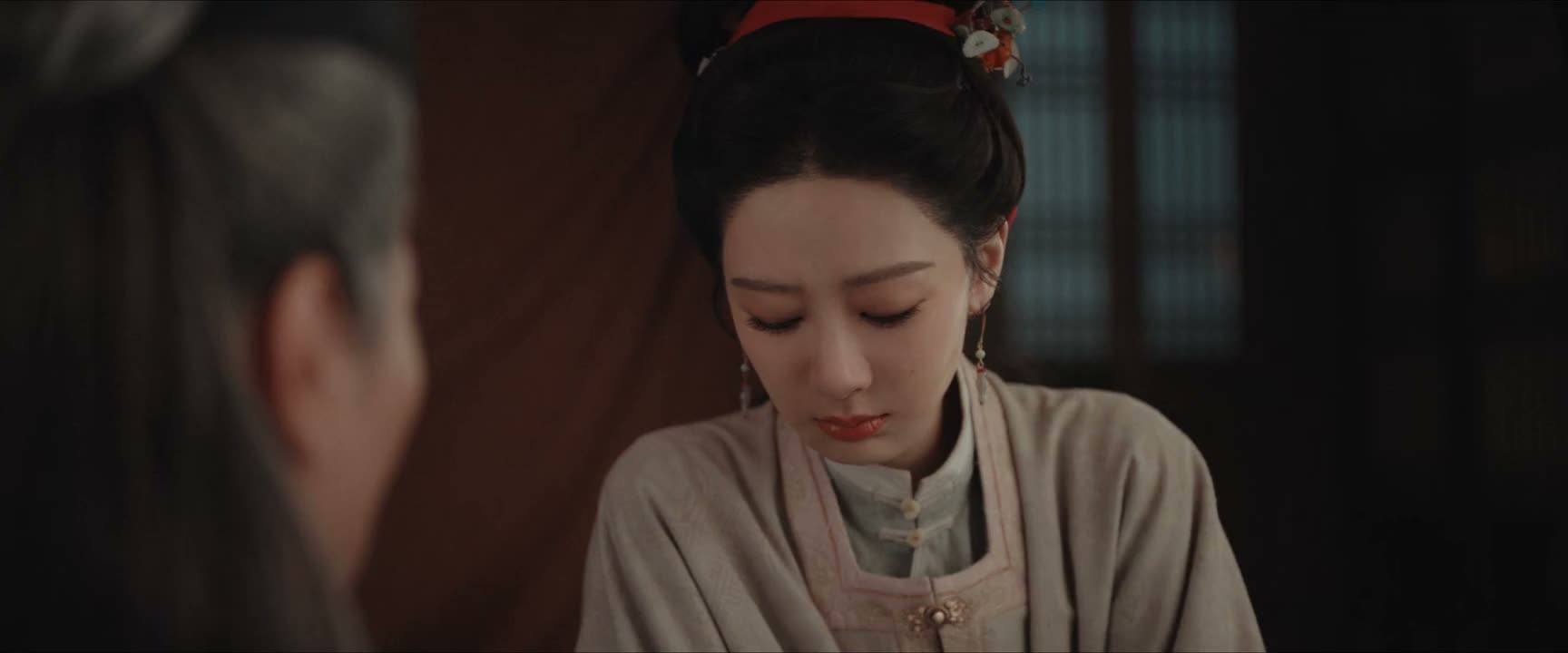
不哭啊 喜欢哭啥
“Don't cry. Why cry when you like someone?”
THE DIALOGUE REEL
我就是喜欢何宇穹
“I just like He Yuqiong.”
不哭啊 喜欢 哭啥
“Don't cry. Why cry when you like someone?”
他们不给我分宿舍 没关系 我幸好他没给我分宿舍
“It's okay they didn't assign me a dorm. I'm glad they didn't assign me a dorm.”
Direct spoken expression in this communicative setting.
Chinese friends often comfort peers by asking 'what is there to cry about', intending to downplay the tragedy and inspire resilience rather than dismiss real pain.
LEARNING CHUNKS & PARTICLES
don't cry / there, there
A warm, soothing imperative addressed to close friends or family members who are weeping.
what are you crying for?
A colloquial northern rhetorical phrase meant to minimize the listener's grief and encourage them.
Softens the command, making the reassurance warm, tender, and caring rather than stern.
VOCABULARY & EXPRESSIONS
Parallel Spoken Cinema Scenes (语义近邻切片)
“Why are you crying? Don't cry.”

“does not greet people, and cries easily.”

“She's not the type to cry easily.”

“Don't cry.”