打谁呢你 谁让你打她
“Who are you hitting? Who said you can hit her?”
THE DIALOGUE REEL
你动她试试
“Don't you dare touch her!”
打谁呢 你 谁让你打她
“Who are you hitting? Who said you can hit her?”
你敢打我 松手 松手 柏庶 走
“You dare hit me? Let go! Let go! Bai Shu, go!”
Direct spoken expression in this communicative setting.
Using post-posed pronouns like '打谁呢你' intensifies anger and serves as an immediate verbal retaliation against a violator of physical boundaries.
LEARNING CHUNKS & PARTICLES
who do you think you are hitting
A highly confrontational rhetorical question used to express outrage when witnessing physical violence.
who allowed you to; who told you to
Used in confrontational spoken Mandarin to aggressively challenge someone's authority or right to perform an action.
Adds an interrogative and confrontational edge, highlighting indignation at the ongoing action.
VOCABULARY & EXPRESSIONS
Parallel Spoken Cinema Scenes (语义近邻切片)
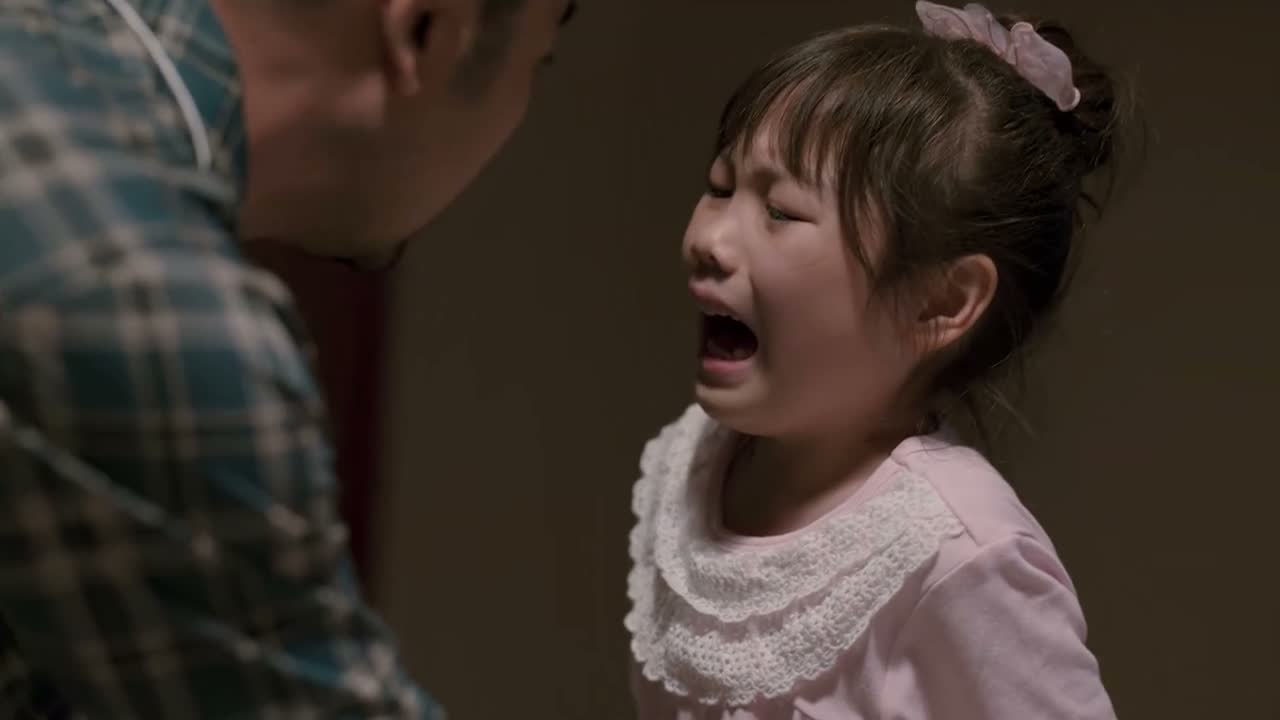
“He even hit me. Who hit you? Why did you push her?”

“- What are you doing? - I didn't hit her! No. - Then why does she say you hit her? - Who hit you? You pushed...”

“What do you mean? What I said. Say that again... That's enough.”
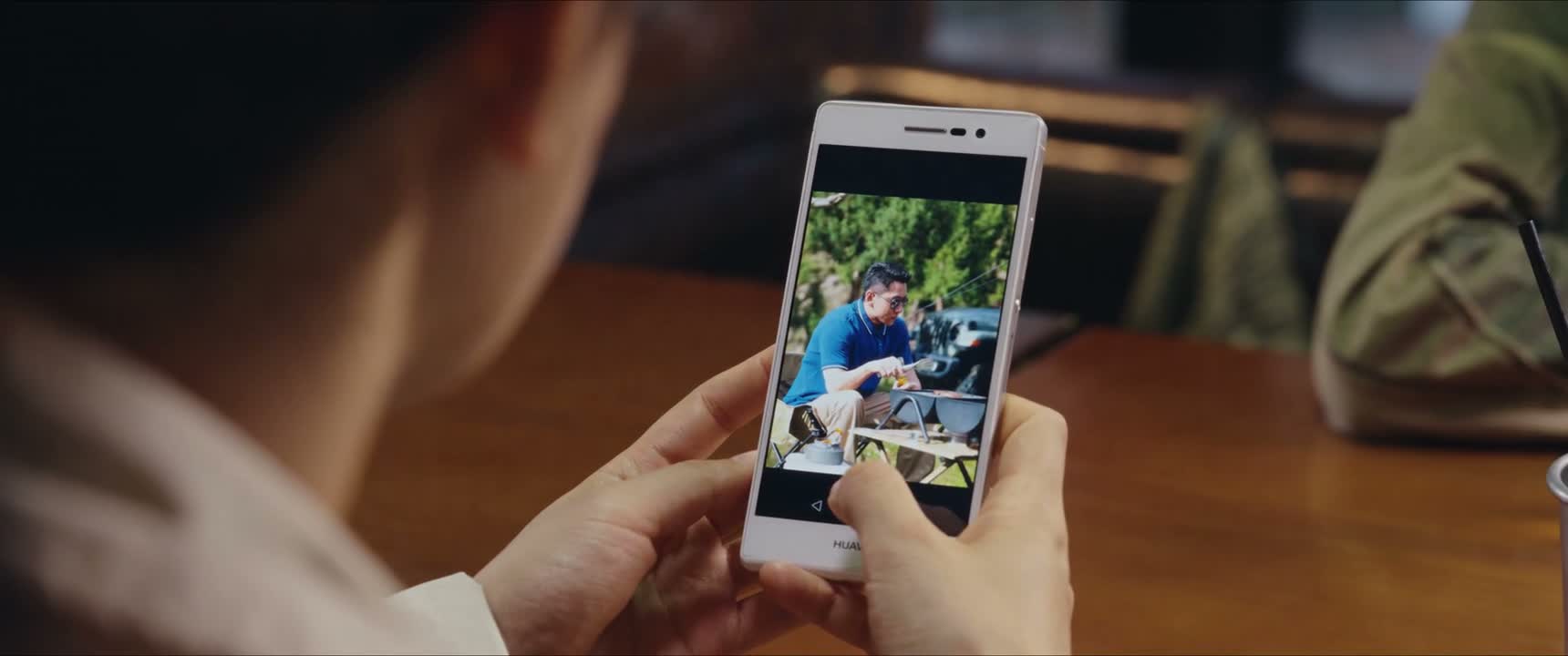
“Who is he? Do I know him?”
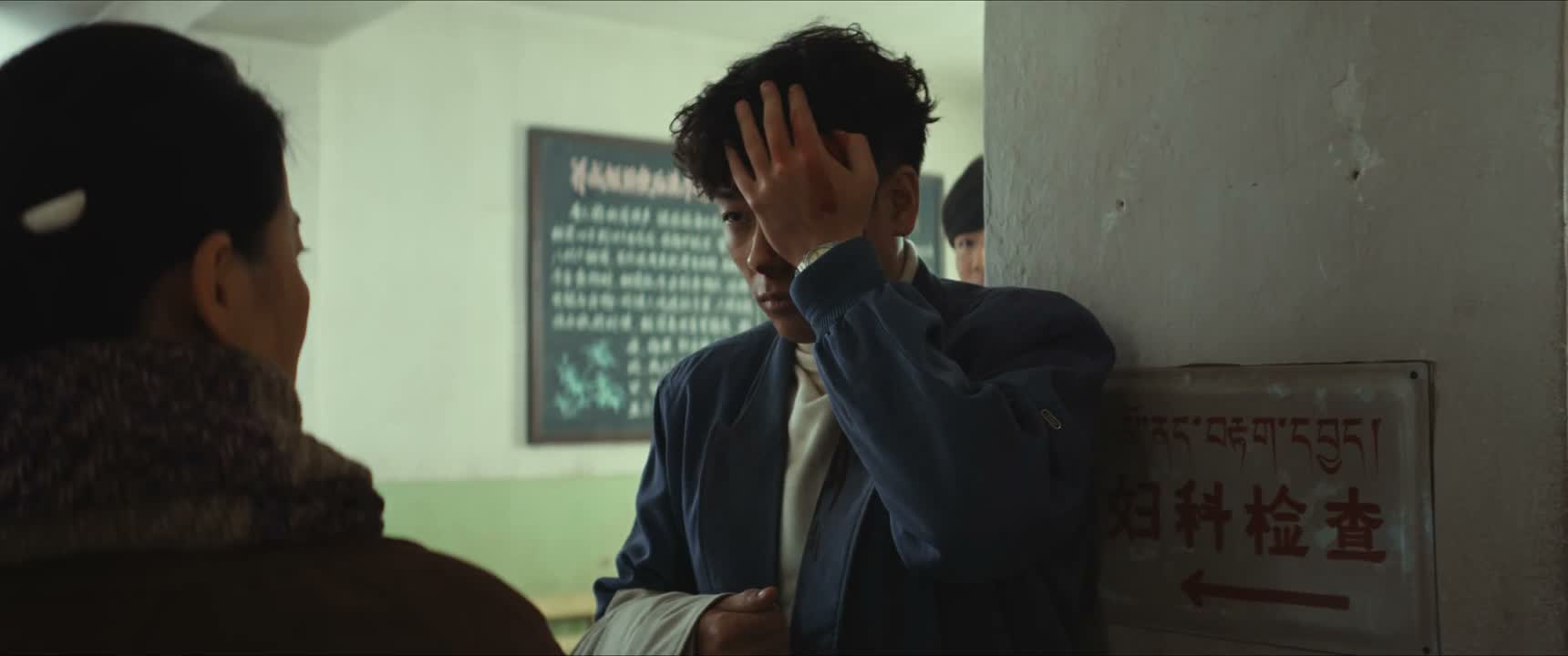
“I-I hit him. Who are you?”

“Who are you looking for? What's all the noise about?”