MC
MandarinClips Cinema Corpus
《Vanished Name》 S1·E10 (24:28) HSK 4
shuí dǎ tā le bú shì nà tā zěn me shuō nǐ dǎ shuí dǎ nǐ le nǐ tuī

谁打她了 不是 那她怎么说你打 谁打你了 你推

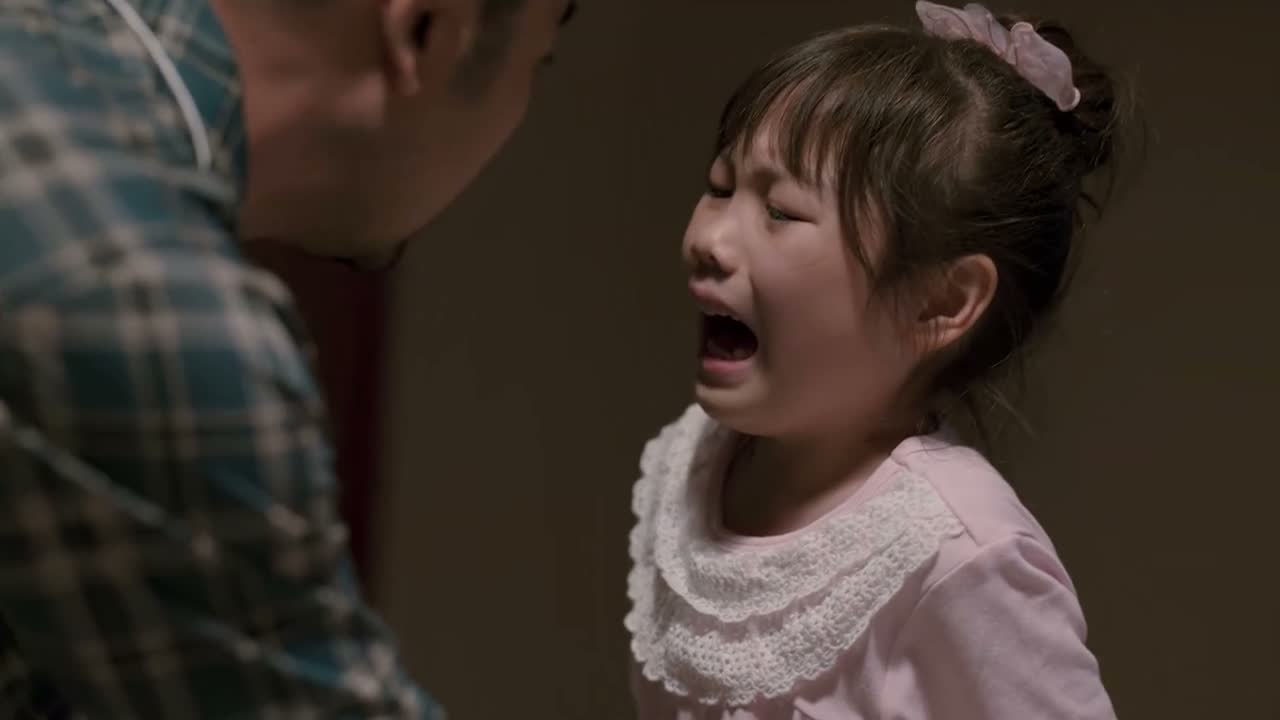
“- What are you doing? - I didn't hit her! No. - Then why does she say you hit her? - Who hit you? You pushed...”

《Vanished Name》 S1·E10
TIMECODE: 24:28 · 1080P MASTER AUDIO

THE DIALOGUE REEL

1+1+1 SPOKEN CONTINUITY
[-1] PREVIOUS TURN dà bàn yè nǐ men gàn shá ya nǐ jiù dǎ wǒ le shuí dǎ nǐ le nǐ gàn shá

大半夜你们干啥呀 你就打我了 谁打你了 你干啥

“- It's late now. What's this about? - You did hit me. Who hit you? - What are you doing? - I didn't hit her!”

shuí dǎ tā le bú shì nà tā zěn me shuō nǐ dǎ shuí dǎ nǐ le nǐ tuī CURRENT FOCUS

谁打她了 不是 那她 怎么说 你打 谁打你了 你推

“- What are you doing? - I didn't hit her! No. - Then why does she say you hit her? - Who hit you? You pushed...”

[+1] FOLLOW-UP TURN shuí dǎ nǐ le tíng

谁打你了 停

“Who hit you? Stop.”

Subtitles synced to millisecond timecode Browse Show Clips →
Scene: Crisis & Conflict
Function: DENYING ACCUSATION
Tone: DEFENSIVE
Emotion: FRUSTRATION
WHAT THEY REALLY MEAN (PRAGMATIC SUBTEXT)

Direct spoken expression in this communicative setting.

💡 Cultural Insight: Rhetorical Denial

In high-stress disputes, using rhetorical 'who' (谁) questions is a standard Chinese verbal tactic to assert absolute innocence and invalidate the opponent's claim.

INTENT TAGS: #denial #self_defense #counter_accusation #clarification
🧩

LEARNING CHUNKS & PARTICLES

1 CHUNKS · 0 PARTICLES
谁打她了 SPOKEN CHUNK

Who hit her? / Nobody hit her!

A rhetorical question used to vehemently deny having hit or harmed someone.
🏮

VOCABULARY & EXPRESSIONS

3 EXPR · 1 GRAMMAR
CROSS-CINEMA CORPUS BOARD · PARALLEL SCENES

Parallel Spoken Cinema Scenes (语义近邻切片)

EXPLORE BY SEMANTIC SIMILARITY
《Vanished Name》 S1·E10 (24:28) · Authentic Cinema Dialogue Corpus