你也是我朋友啊 走走走 不去了不去了
“You're my friend too. Come on. No.”
THE DIALOGUE REEL
过去给你丢人
“I'd embarrass you.”
你 也是 我 朋友 啊 走走走 不去了 不去了
“You're my friend too. Come on. No.”
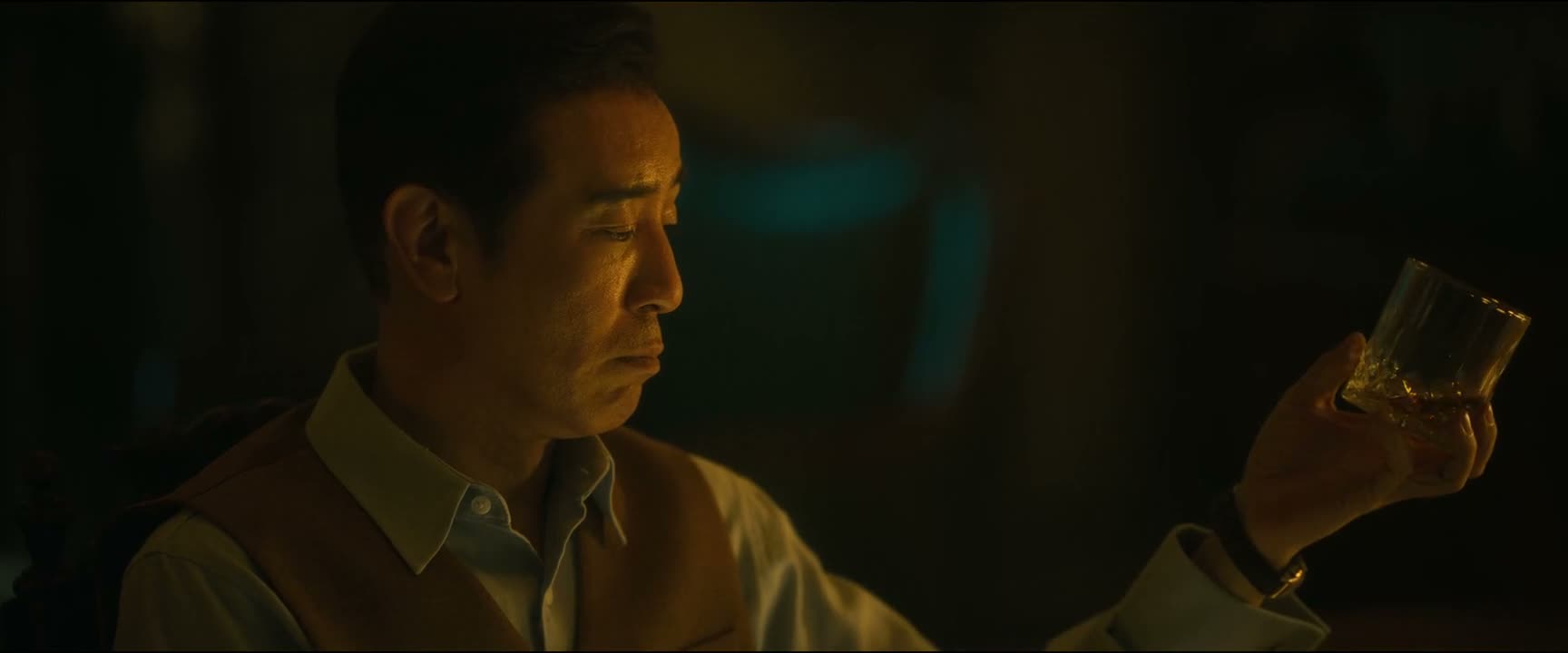
你少喝点 对身体不好
“Drink less. It's bad for you.”
“Your feelings matter more to me than saving face at that gathering, so let's just skip it.”
In Chinese culture, when a friend feels they might bring shame or lose face, a loyal friend often cancels plans to protect their dignity.
LEARNING CHUNKS & PARTICLES
come on / let's go
Used in casual spoken Chinese to urge someone to move or change activity quickly.
not going anymore / calling it off
A common way to signal a change of plans or cancellation of an outing.
Softens the assertion and conveys emotional warmth and sincerity.
Indicates a change of state, marking the decision to cancel the previous plan.
VOCABULARY & EXPRESSIONS
Parallel Spoken Cinema Scenes (语义近邻切片)

“Why did your friend leave?”

“Just wanted to walk with you as a friend.”

“Tell me, are you still my friend or not?”

“I'm helping her because she's your friend.”

“All these friends are here, because of you, to sincerely”
“If you still consider me your friend,”