不好意思见咱们了
“and is too embarrassed to see us.”
THE DIALOGUE REEL
那还是自己找到买家了
“Then he must have found a buyer himself”
不好意思 见咱们了
“and is too embarrassed to see us.”
那也不行啊
“That won't do.”
“They feel guilty about bypassing us, so they're dodging us.”
When an individual bypasses business partners or violates mutual trust, they frequently experience acute shame ('不好意思见人') and avoid direct contact rather than openly apologizing.
LEARNING CHUNKS & PARTICLES
embarrassed; feeling awkward or shy
Beyond saying 'excuse me', it frequently describes someone feeling too ashamed or socially awkward to face someone after committing a social faux pas.
to meet us; to face us
The inclusive pronoun '咱们' builds solidarity between the speaker and the listener when discussing a third party.
Indicates a newly arisen situation or change of state regarding the person's attitude.
VOCABULARY & EXPRESSIONS
Parallel Spoken Cinema Scenes (语义近邻切片)
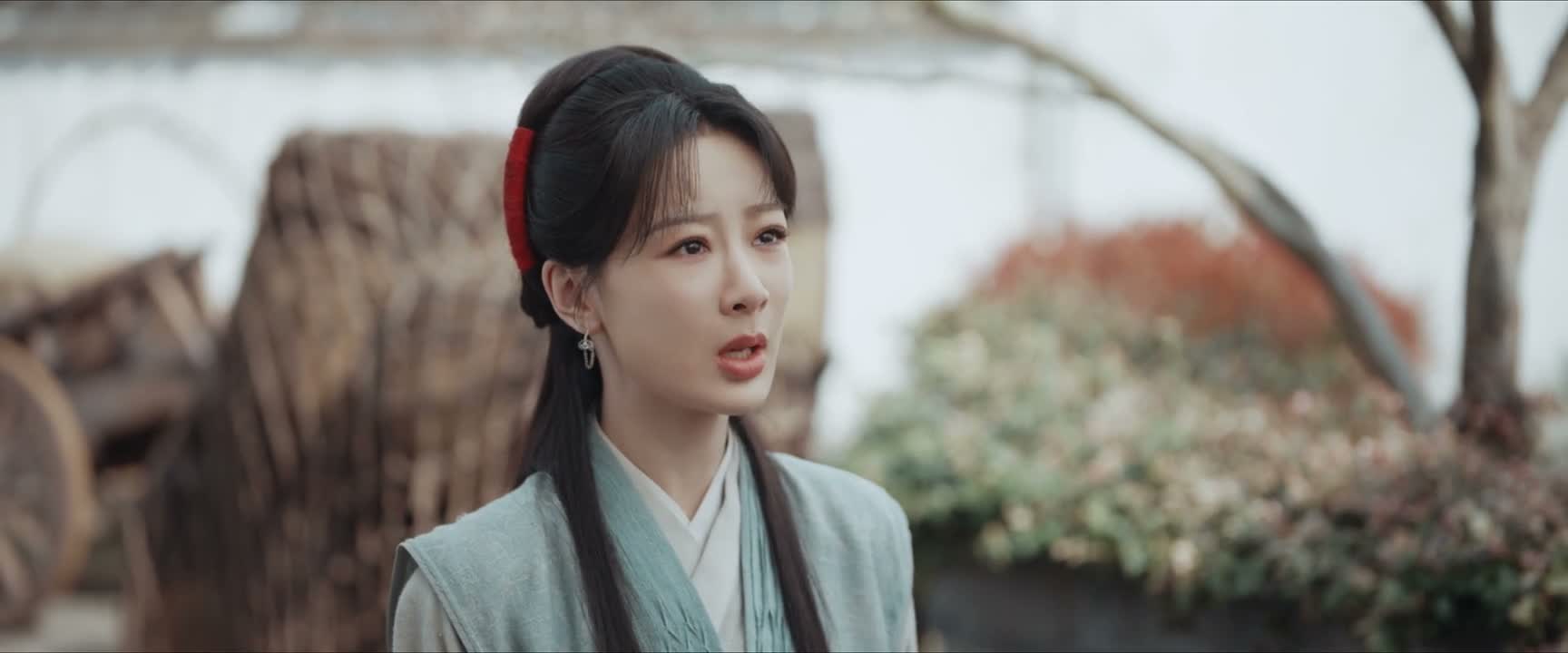
“we should never see each other again.”

“So, we were kicked out”

“Last time, we agreed to meet in the exhibition hall. Later, I made a foolish figure”
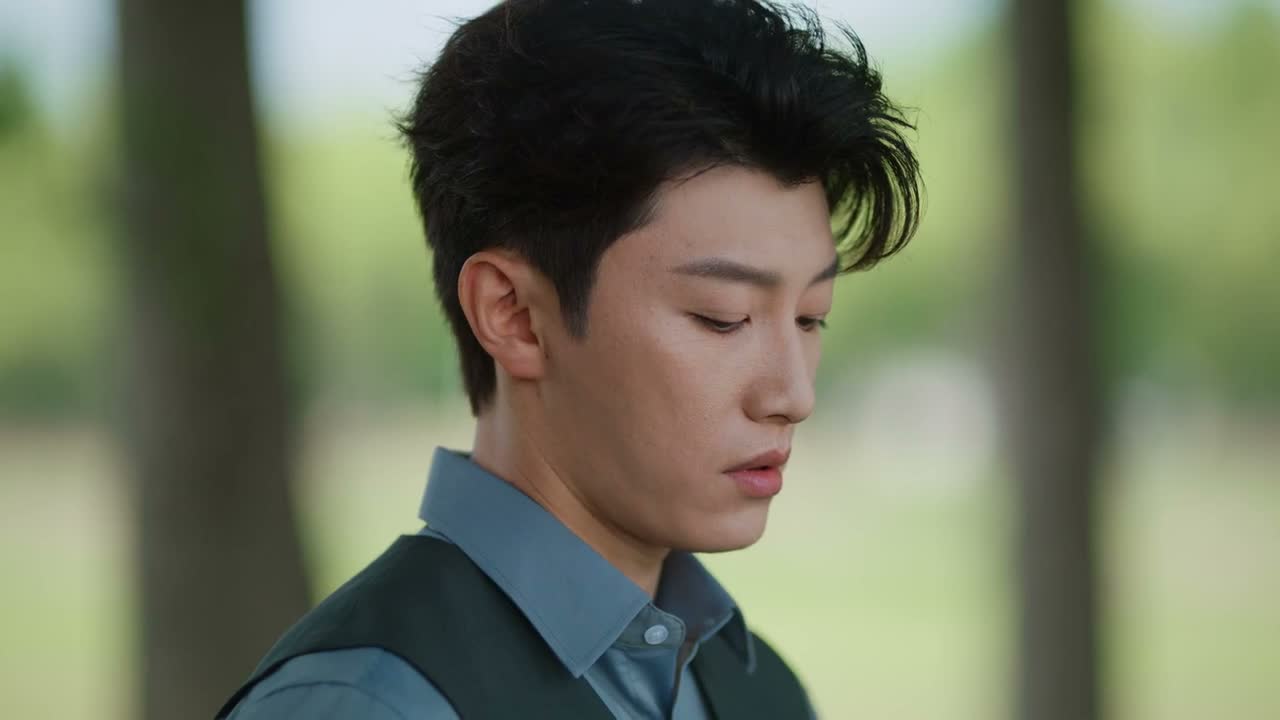
“We probably won't see each other again.”

“the next people who come to see you might not be us.”
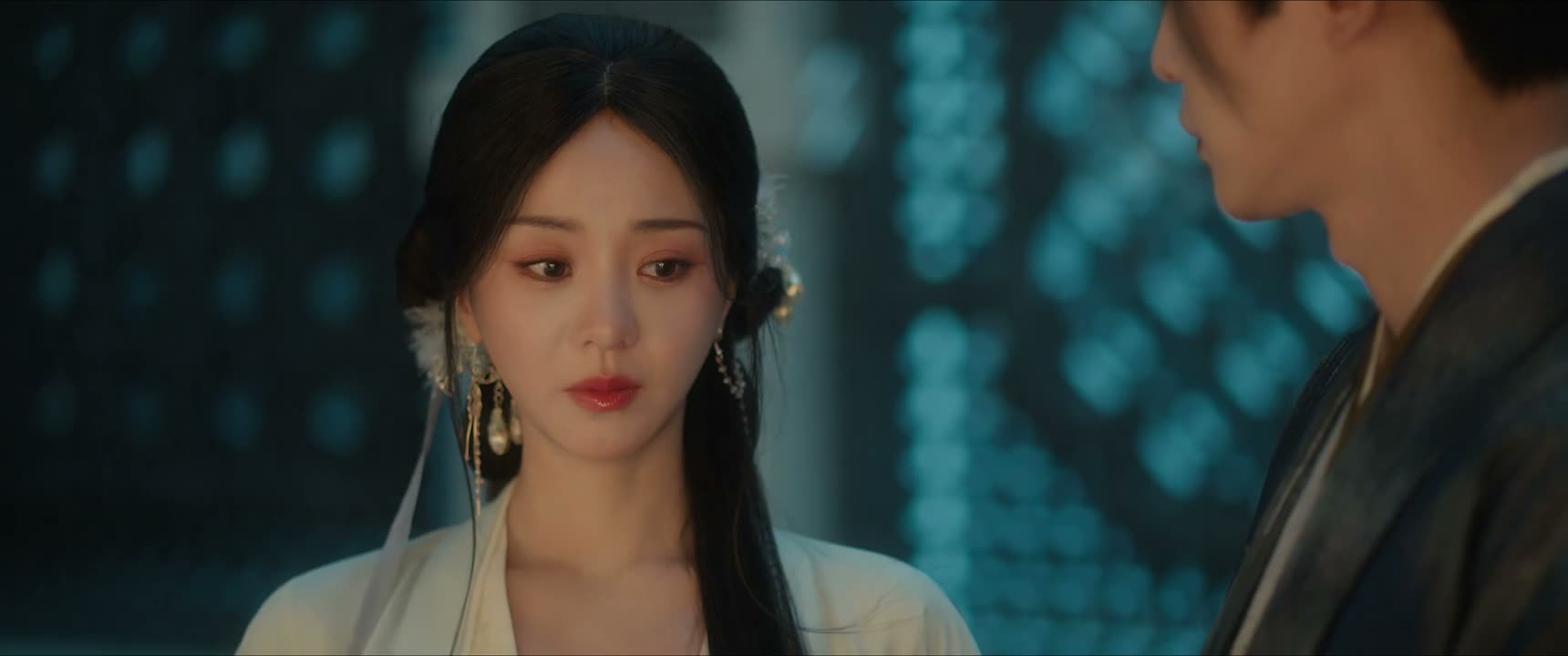
“We haven't seen each other for a long time.”