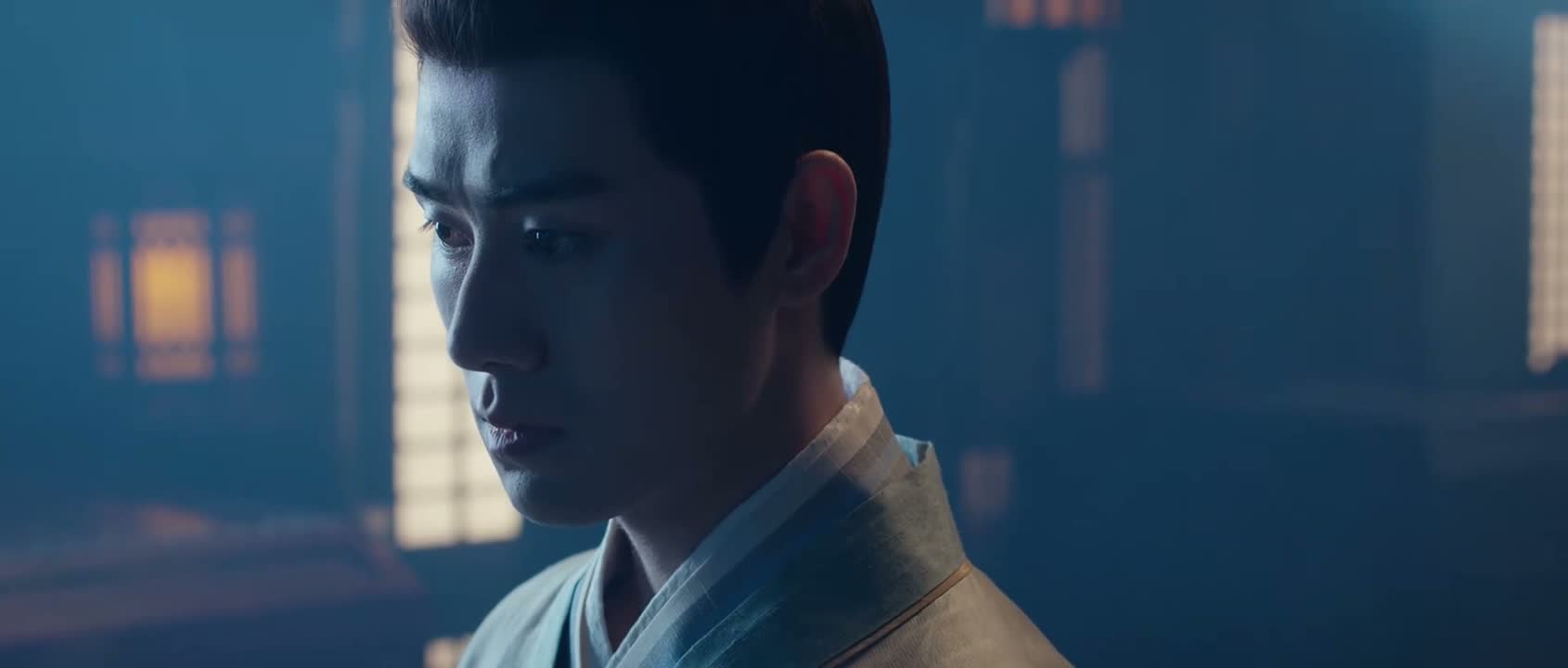
你们能活过今晚再说吧
“We'll see if you can survive tonight.”
THE DIALOGUE REEL
不急
“No rush.”
你们能活过今晚再说吧
“We'll see if you can survive tonight.”
你们干什么
“What are you doing?”
“You are dead meat tonight, so do not bother planning ahead.”
In Chinese dramatic dialogues, telling an opponent to 'survive first before talking' is a classic trope asserting absolute lethality and psychological dominance.
LEARNING CHUNKS & PARTICLES
to survive past; to live through
Commonly paired with a critical time limit like '今晚' (tonight) or '冬天' (winter) to indicate surviving a deadly ordeal.
put it off until later; talk about it then
Used at the end of a clause to defer a topic or dismiss current concerns until a precondition is met.
Softens the imperative syntax into a chillingly casual, dismissive suggestion.
VOCABULARY & EXPRESSIONS
Parallel Spoken Cinema Scenes (语义近邻切片)

“She probably won't make it through the night.”

“who you're relying on for the life you have now,”

“Enjoy the night.”

“We'll talk about it when tonight comes.”
“today's your last day.”

“You never expected I'd live to see this day, did you?”