这塔里的老人待久了
“When old-timers stay in this tower too long,”
THE DIALOGUE REEL
主人 属下一定尽快地督促
“Master, I will urge them as soon as possible.”
这塔里的老人待久了
“When old-timers stay in this tower too long,”
“You cannot entirely blame me for the delay; these entrenched old-timers refuse to listen.”
In hierarchical Chinese organizations, senior members ('old-timers') often accumulate informal influence, making them resistant to discipline from newer or younger managers.
LEARNING CHUNKS & PARTICLES
having stayed for a long time
Used to describe how spending an extended period in an environment causes complacency, habituation, or deep familiarity.
veterans; old hands; long-time incumbents
In institutional contexts, this refers to experienced or senior members rather than elderly individuals.
Marks the completed duration and change of state leading to the current difficulty.
VOCABULARY & EXPRESSIONS
Parallel Spoken Cinema Scenes (语义近邻切片)
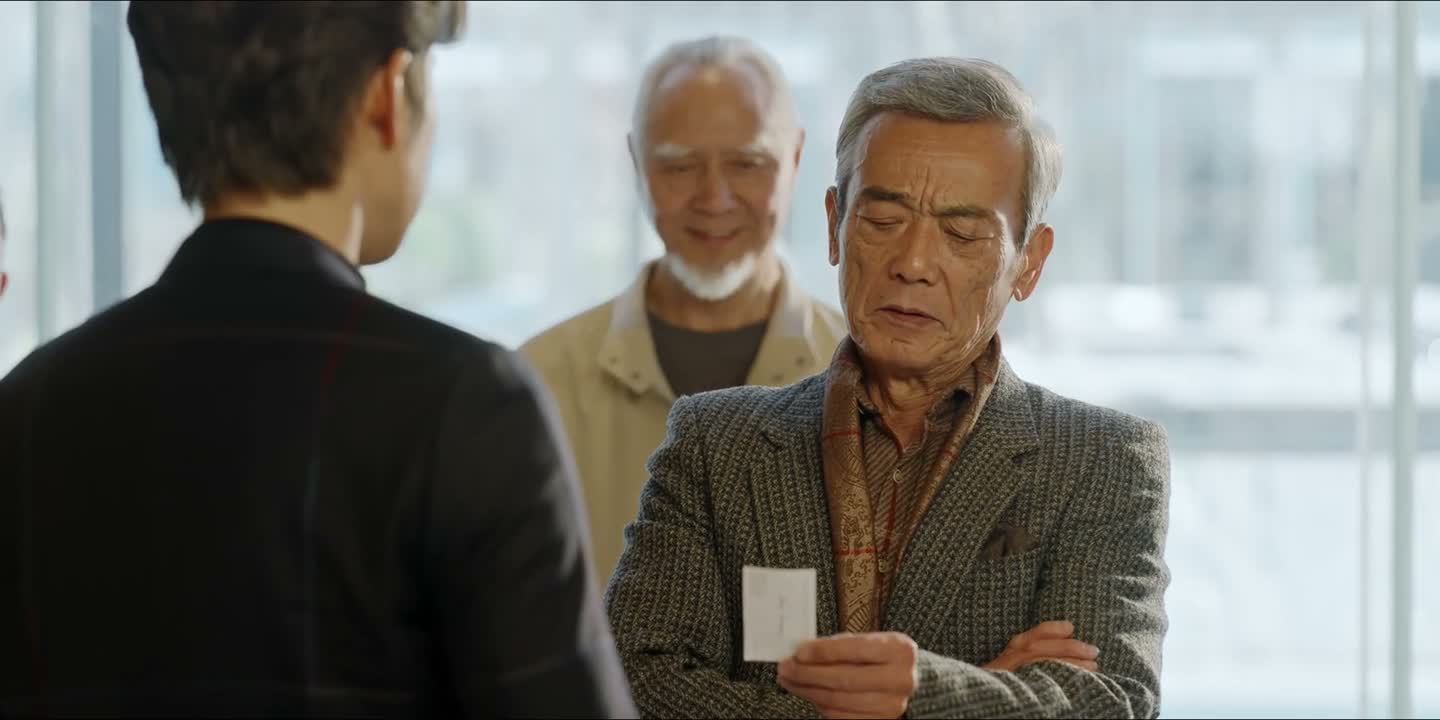
“elderly people.”

“Of course.”

“They've been together for so many years,”

“a long-time worker at Li Ink.”

“I'm an old man already.”

“It's so crowded today.”