为何还要回来送死呢
“why did you come back to die?”
THE DIALOGUE REEL
既然你已逃脱抓捕
“Since you've escaped capture,”
为何还要 回来送死 呢
“why did you come back to die?”
“You don't really think a single stone could kill me, do you? Speak!”
“You were home free, yet you threw your life away on such a stupid attempt.”
Monarchs in historical drama often view rebellious subjects' futile attacks with a mixture of contempt and disbelief in their audacity.
LEARNING CHUNKS & PARTICLES
why (formal)
Formal equivalent of '为什么', common in classical or elevated registers.
to court death / to go to one's doom
Used figuratively or literally to describe a reckless action with certain fatal consequences.
Softens the interrogative slightly while emphasizing the speaker's lingering perplexity or mockery.
VOCABULARY & EXPRESSIONS
Parallel Spoken Cinema Scenes (语义近邻切片)

“I think that's why you came back for his funeral. Mm.”

“Why must they die?”

“why were you still sentenced to death on record”

“Why would I suddenly have to go back? What has happened?”

“So, why did you feel you had to come back?”
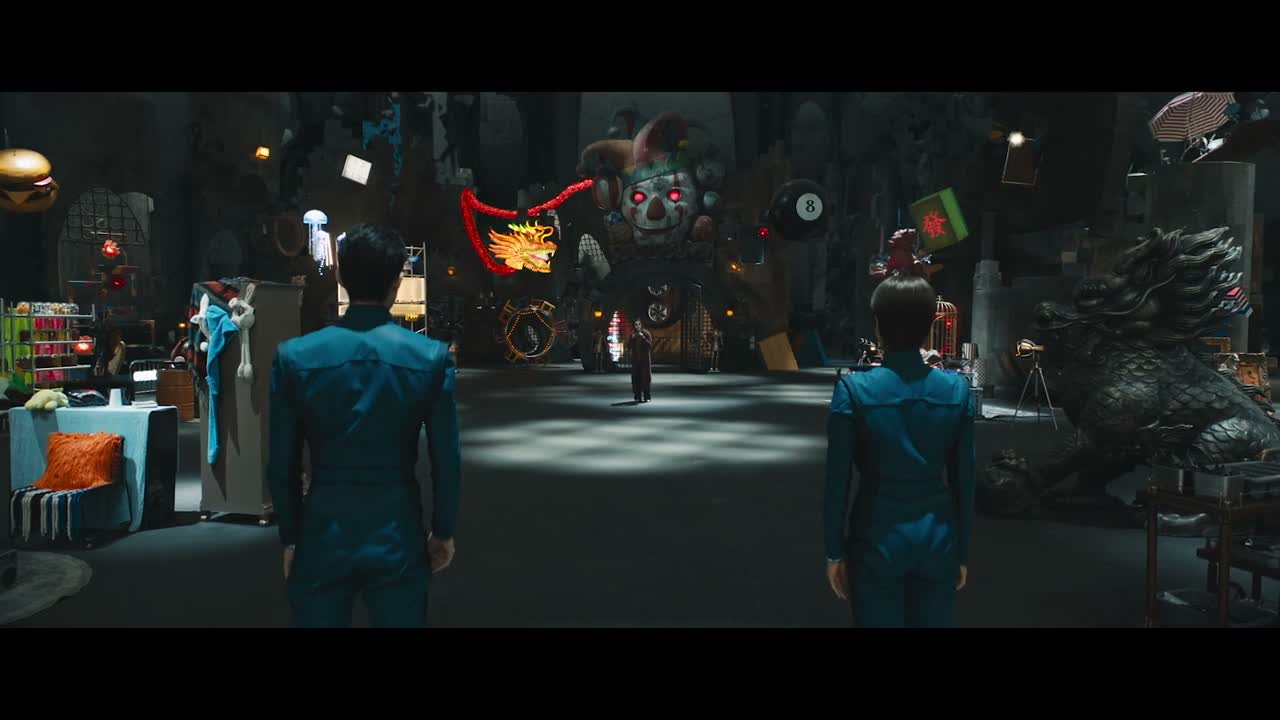
“If you've found a way, then run for your lives. Why come back to certain death here?”

“Why did you come to save him again?”