你不会以为一块石头 真能砸死朕吧 说
“You don't really think a single stone could kill me, do you? Speak!”
THE DIALOGUE REEL
你不会以为 一块石头 真能砸死朕 吧 说
“You don't really think a single stone could kill me, do you? Speak!”
“Your pathetic attempt failed; tell me who sent you before I have you executed.”
Ever since Qin Shi Huang, 'Zhen' became the exclusive first-person pronoun of Chinese emperors, symbolizing supreme sovereign authority over life and death.
LEARNING CHUNKS & PARTICLES
you surely don't think that...
A rhetorical framing used to mock someone's naive assumption or wishful thinking.
We (imperial royal first-person pronoun)
Strictly reserved for emperors in historical contexts; essential for understanding imperial drama power dynamics.
Softens the rhetorical question into a taunting, sarcastic presumption of the listener's foolishness.
VOCABULARY & EXPRESSIONS
Parallel Spoken Cinema Scenes (语义近邻切片)

“What's wrong? We're finally destroying this stone.”

“I'm not made of stone, you know?”

“I mean… it's a stone building— how did it burn like that?”
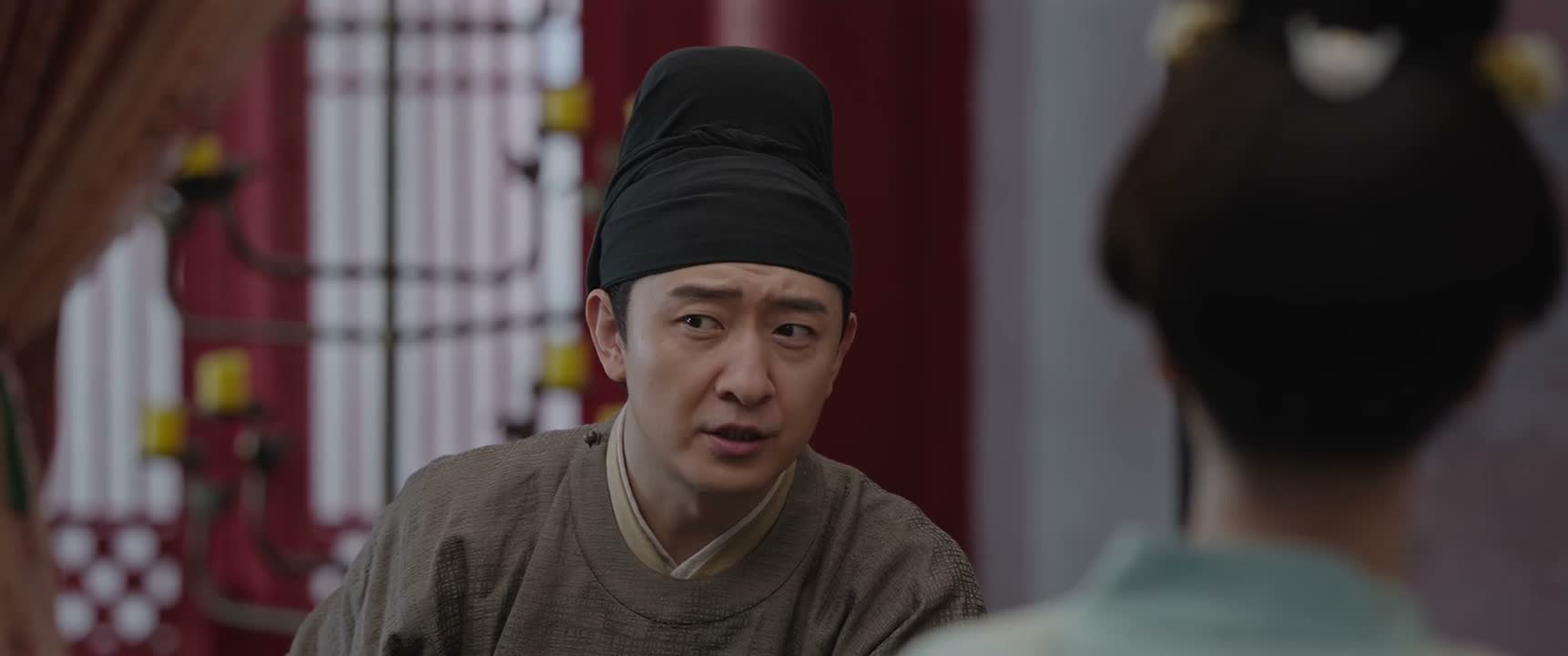
“you really managed to make the stone bloom?”

“Why is this door even harder than stone? It hurts so much.”
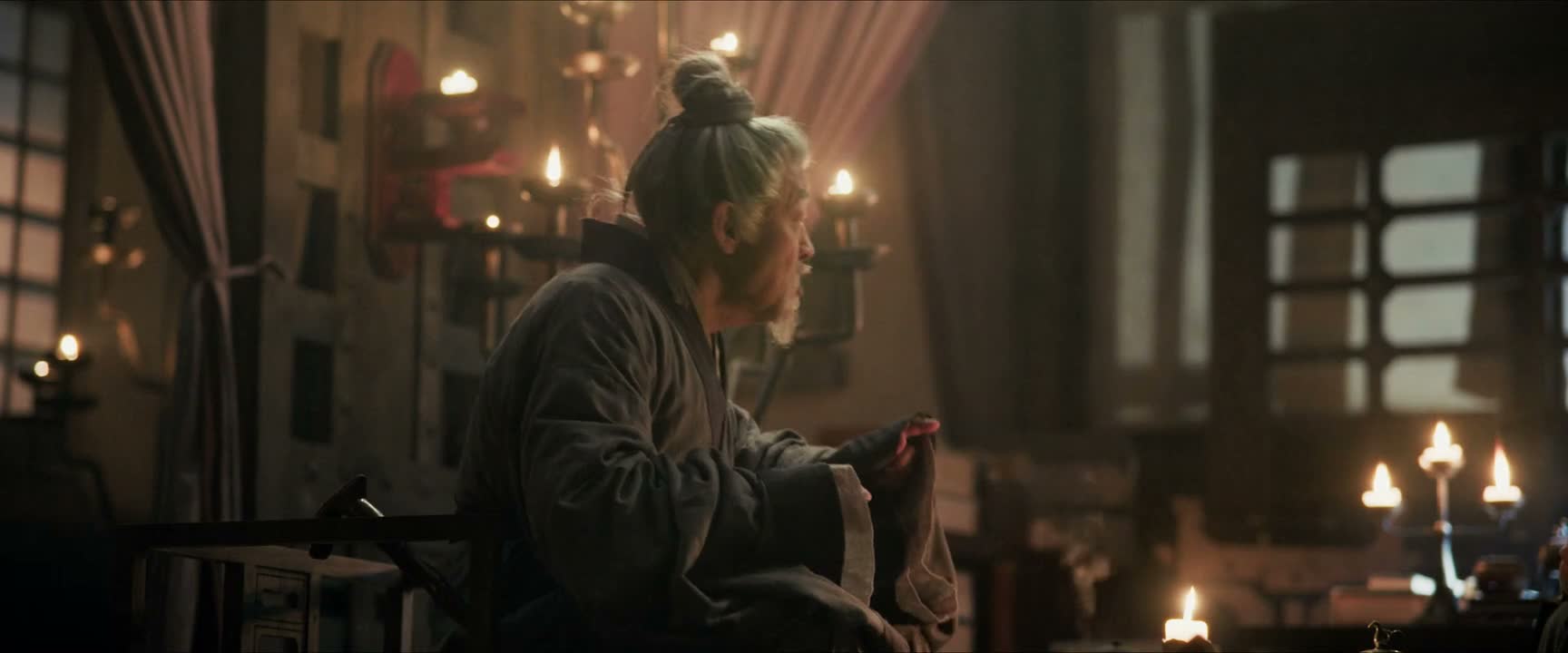
“She killed Shi Hu with only 3 strikes?”