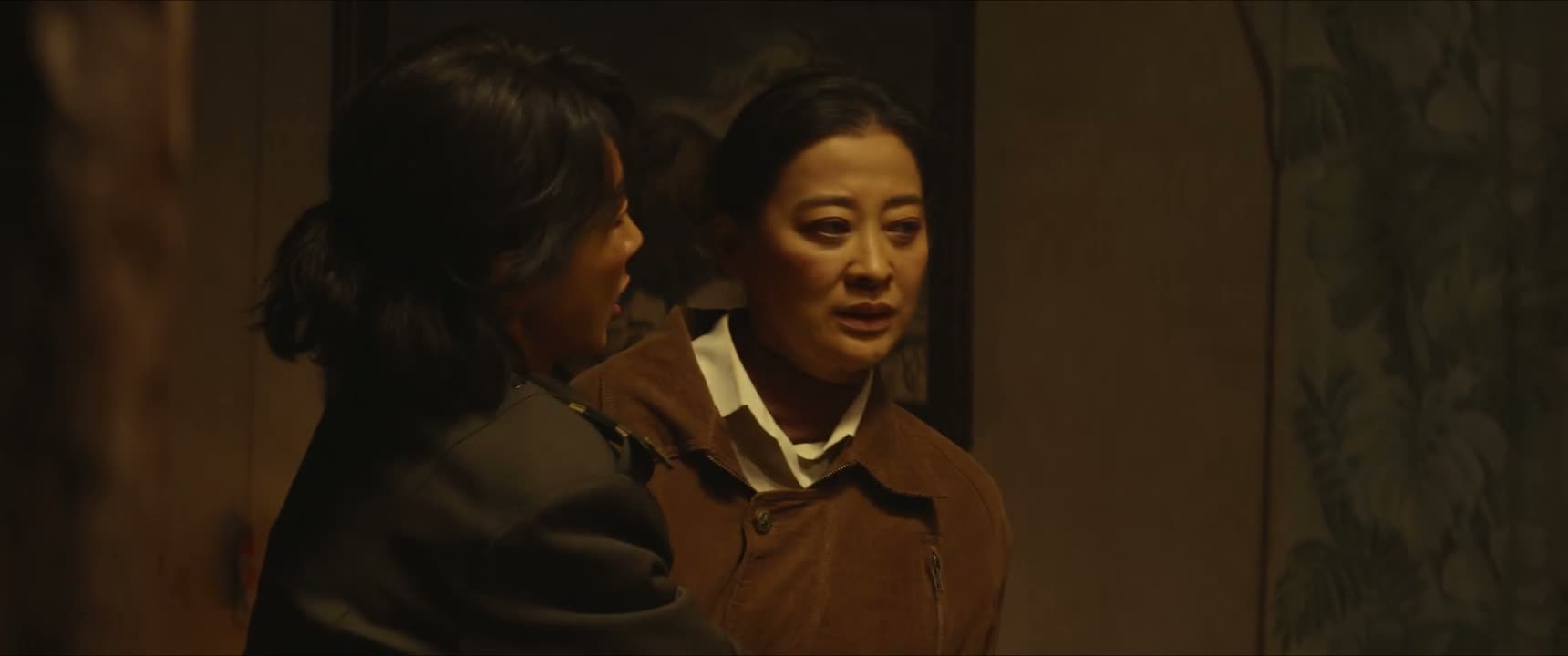
明天再说 何韩 明天再说吧
“- We'll talk tomorrow. - He Han.”
THE DIALOGUE REEL
明天再说 何韩 明天再说 吧
“- We'll talk tomorrow. - He Han.”
我先睡 你为什么老这样对我 你早点回去吧
“- I'll sleep. - Why are you always like this with me? You should head back early. Get some rest.”
“I'm exhausted and don't want to deal with this right now, please leave me alone.”
Using 'let's discuss it later' is a conventional strategy in Chinese communication to de-escalate tension or escape awkward confrontation without directly saying no.
LEARNING CHUNKS & PARTICLES
let's talk tomorrow; put it off until tomorrow
A very common conversational way to postpone a decision, conversation, or task.
Softens the imperative or suggestion, making the request to drop the subject sound less abrasive.
VOCABULARY & EXPRESSIONS
Parallel Spoken Cinema Scenes (语义近邻切片)
“Let's deal with it tomorrow. Let's deal with it tomorrow.”

“Tomorrow. I'm busy today.”

“We'll talk about anything else tomorrow. Yes, yes. Tomorrow. We'll talk tomorrow.”