明天再说 明天再说
“Let's deal with it tomorrow. Let's deal with it tomorrow.”
THE DIALOGUE REEL
妈 妈 太晚了 明天再说吧 让你同事听见不好
“Mom. Mom. It's too late. Let's deal with it tomorrow. It won't be good if your colleagues hear this.”
明天再说 明天再说
“Let's deal with it tomorrow. Let's deal with it tomorrow.”
白及啊
“Bai Ji.”
“Please stop talking right now, this is really awkward and others might hear.”
Chinese social norms emphasize not airing private family grievances or intimate issues in earshot of coworkers or neighbors.
LEARNING CHUNKS & PARTICLES
talk about it later / put it off until
An essential spoken phrase used to postpone a decision, conversation, or action.
let's discuss it tomorrow
Commonly used to dismiss an issue for the night or politely defer an awkward subject.
VOCABULARY & EXPRESSIONS
Parallel Spoken Cinema Scenes (语义近邻切片)
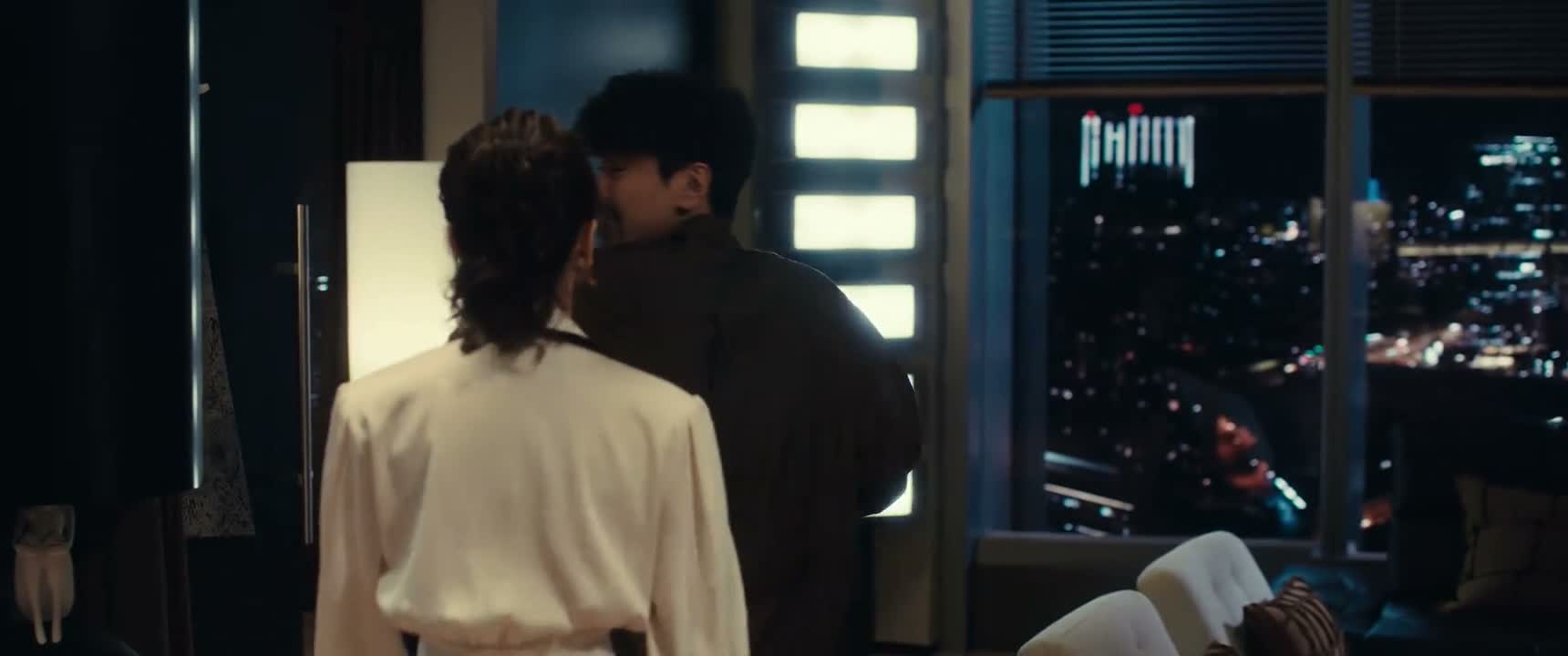
“- We'll talk tomorrow. - He Han.”

“We'll talk about anything else tomorrow. Yes, yes. Tomorrow. We'll talk tomorrow.”

“Tell me again tomorrow.”
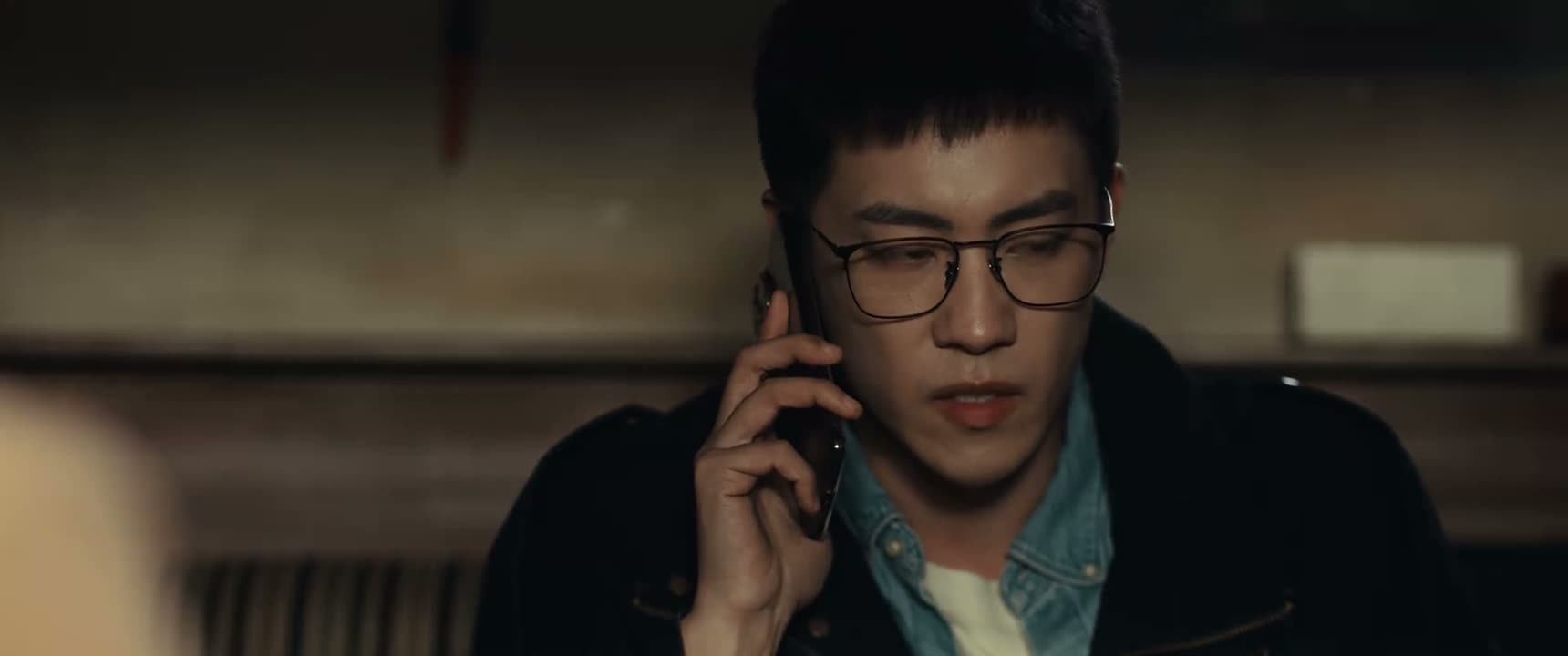
“Tomorrow. I'm busy today.”

“and reply to me before Shen hour tomorrow.”

“I will ask you again tomorrow.”