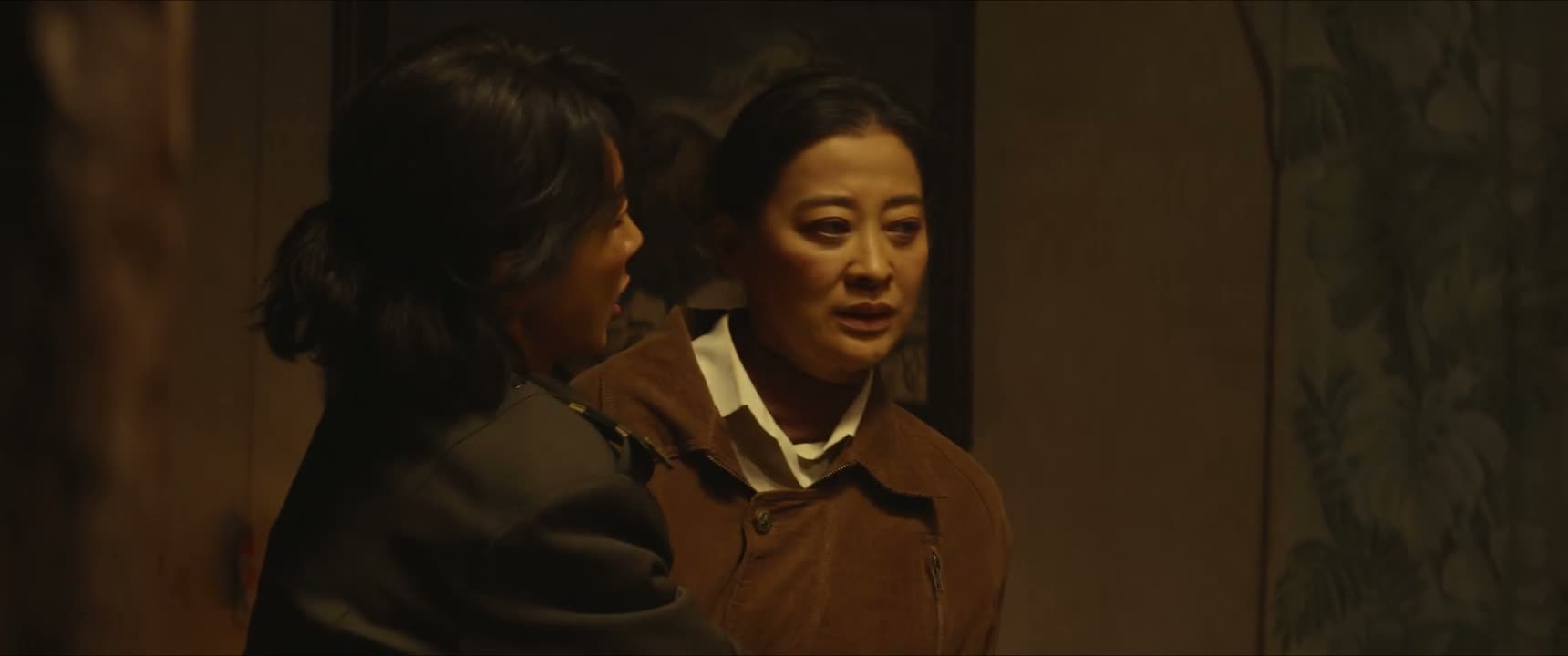
要不你明天再跟我说
“Tell me again tomorrow.”
THE DIALOGUE REEL
“You said a lot today. I didn't catch it all.”
要不 你明天再跟 我说
“Tell me again tomorrow.”
“I'm not coming tomorrow. What about the day after? Not then either.”
“Please stop talking, my brain is full for today.”
Proposing to continue a discussion 'tomorrow' or 'later' is a courteous way to end an overwhelming conversation without offending the speaker.
LEARNING CHUNKS & PARTICLES
how about / alternatively
A highly common colloquial transition used to propose a softer alternative or suggest a different plan.
tell me again later / speak to me then
Useful pattern combining '再' (again/later) with '跟...说' (talk to someone) to postpone a topic.
VOCABULARY & EXPRESSIONS
Parallel Spoken Cinema Scenes (语义近邻切片)
“Let's deal with it tomorrow. Let's deal with it tomorrow.”

“Then think of more today and tell me tomorrow.”

“Can't we wait until tomorrow to discuss it with His Majesty?”