明天我不会来了 那后天呢 后天也不来
“I'm not coming tomorrow. What about the day after? Not then either.”
THE DIALOGUE REEL
明天 我不会 来了 那后天呢 后天 也不来
“I'm not coming tomorrow. What about the day after? Not then either.”
“I am so mad at you that I refuse to see you anytime soon.”
In close Chinese interpersonal dynamics, individuals frequently make exaggerated, sweeping refusals during conflicts to signal hurt feelings and demand attentiveness.
LEARNING CHUNKS & PARTICLES
the day after tomorrow
Standard temporal noun used to indicate two days from today.
won't come either
Used with '也' to emphasize continuous or repeated negation of attendance.
Indicates a decisive change of situation or confirmed negative decision.
Marks an elliptical follow-up question prompting information about an alternative.
VOCABULARY & EXPRESSIONS
Parallel Spoken Cinema Scenes (语义近邻切片)

“Aren't they coming tomorrow? Tomorrow will be too late.”
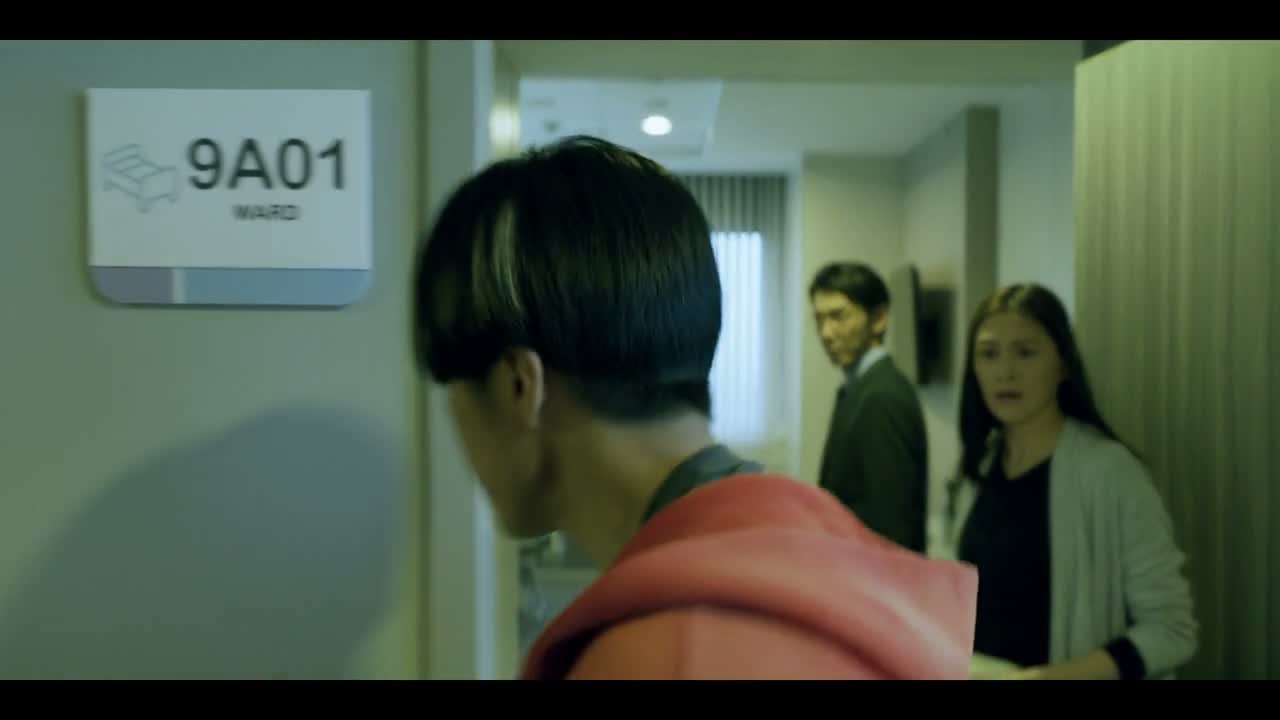
“- You're leaving? - Yeah. I'll be back tomorrow.”

“I'm never coming back again.”

“(Yili'er, Youzhou merchant) In a week, we'll come again.”

“He is not coming. You should just come with me to the cement factory.”

“Tomorrow won't work either. I've got an appointment with an agent tomorrow.”