不知我家触犯了哪条律法 不知
“What law has our family broken? You don't know?”
THE DIALOGUE REEL
这 这是何事啊 等一下 大人
“Wh-What's going on? Wait, My Lord.”
不知 我家 触犯了哪条律法 不知
“What law has our family broken? You don't know?”
勾结贪官赵深 强占民宅
“Colluding with corrupt official Zhao Shen to seize private houses.”
“You have no right to arrest us unless you can state exactly what law we broke.”
When facing imperial officials or constables, citizens often framed their defense by asking which specific imperial statute was violated to prevent arbitrary abuse of power.
LEARNING CHUNKS & PARTICLES
to violate the law; to break statutes
A formal collocation used when discussing legal violations in historical or formal contexts.
I wonder; may I ask (polite prefix)
Often placed at the beginning of a question to soften an inquiry or challenge to authority.
VOCABULARY & EXPRESSIONS
Parallel Spoken Cinema Scenes (语义近邻切片)
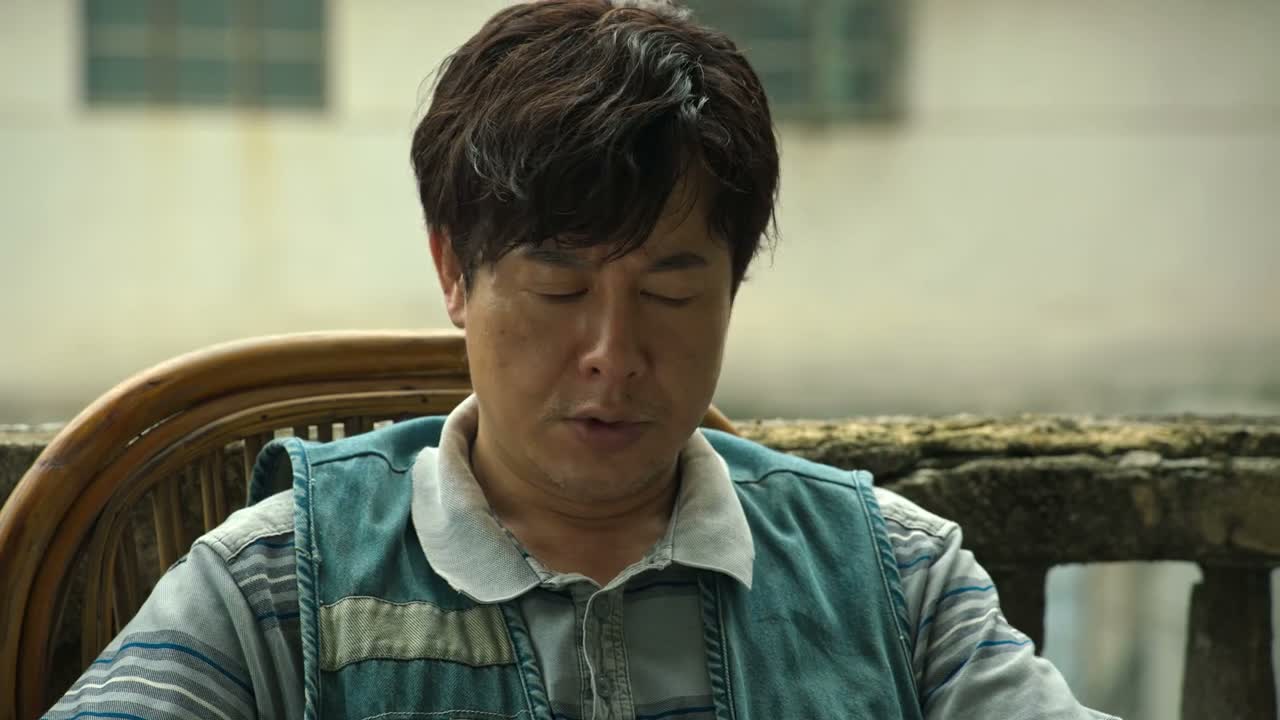
“Is it illegal? No, it's legit.”

“You broke the law, understand?”

“What kind of unforgivable sin did you commit?”

“Any one of these laws could convict you.”
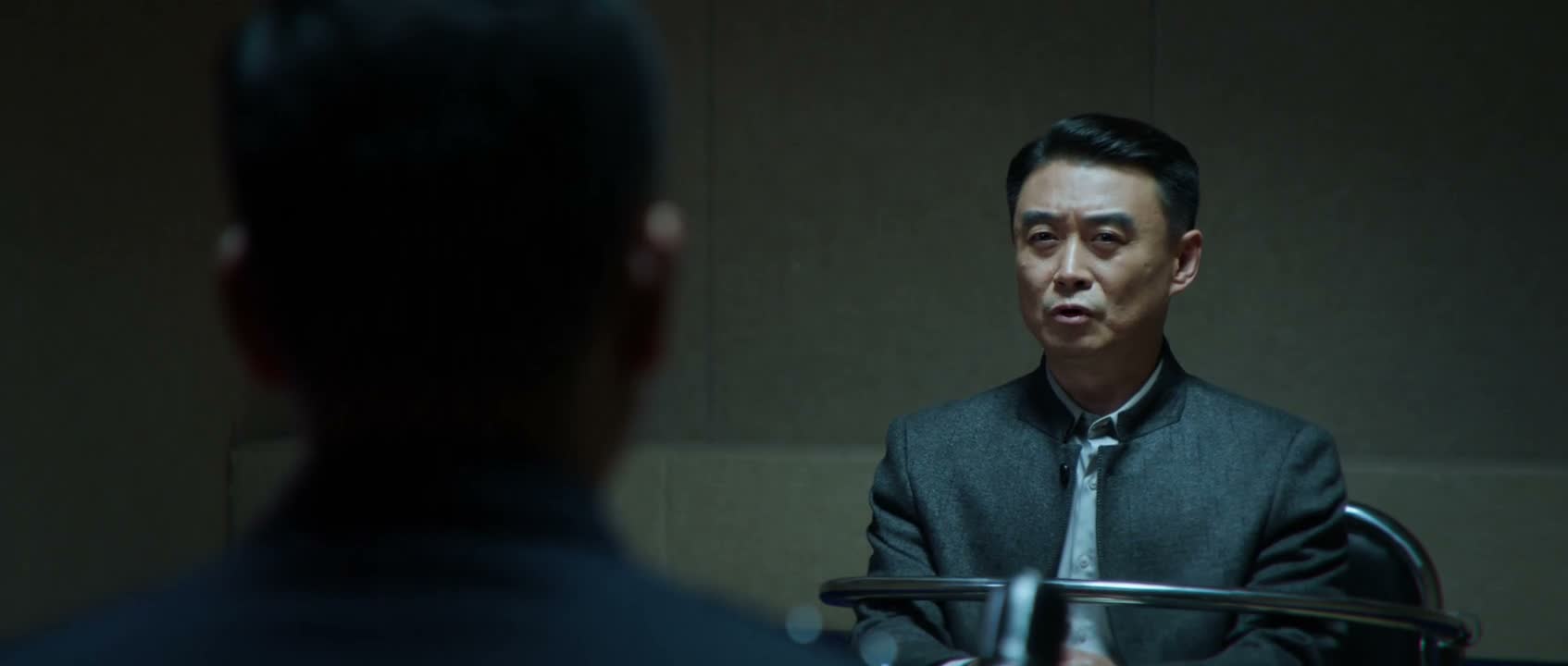
“I didn't break the law. What should I say?”

“What law did I break? You brought me here just like that?”