我把你送去店里之后 可否回府等你
“After I take you to the shop, can I come back and wait for you?”
THE DIALOGUE REEL
嫂嫂
“Ms. Wen.”
我把你 送去店里 之后 可否 回府等你
“After I take you to the shop, can I come back and wait for you?”
我那身衣裳就不用试了 那怎么能行呢 这身衣裳啊
“I don't need to try on my dress. That won't do. You have to try on the dress”
“I really do not want to hang around the shop while you try on clothes; please let me wait at home.”
In traditional Chinese families, younger siblings or in-laws treat elder sisters-in-law with respect, phrasing personal desires as deferential requests for permission.
LEARNING CHUNKS & PARTICLES
may I; is it possible to
A formal and polite way to ask for permission or propose a suggestion.
return to the mansion/residence
A traditional or historical term for returning home, common in period dramas.
VOCABULARY & EXPRESSIONS
Parallel Spoken Cinema Scenes (语义近邻切片)

“but you can't bring it to someone else's shop. -It’s fine. -What's wrong with that? This is from the barbecue shop”

“because you were afraid I'd send you back.”

“I'm basically home. Go back.”
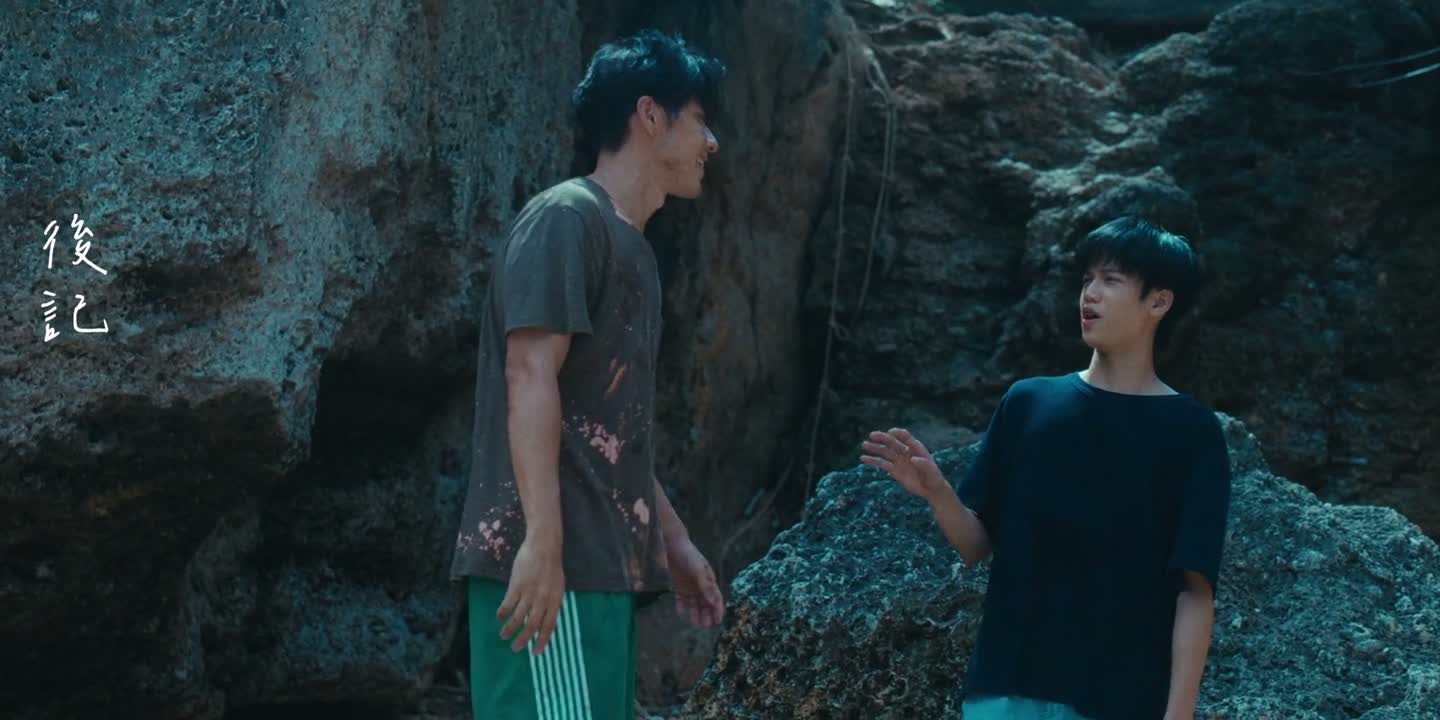
“I have to go back to help with the guesthouse.”
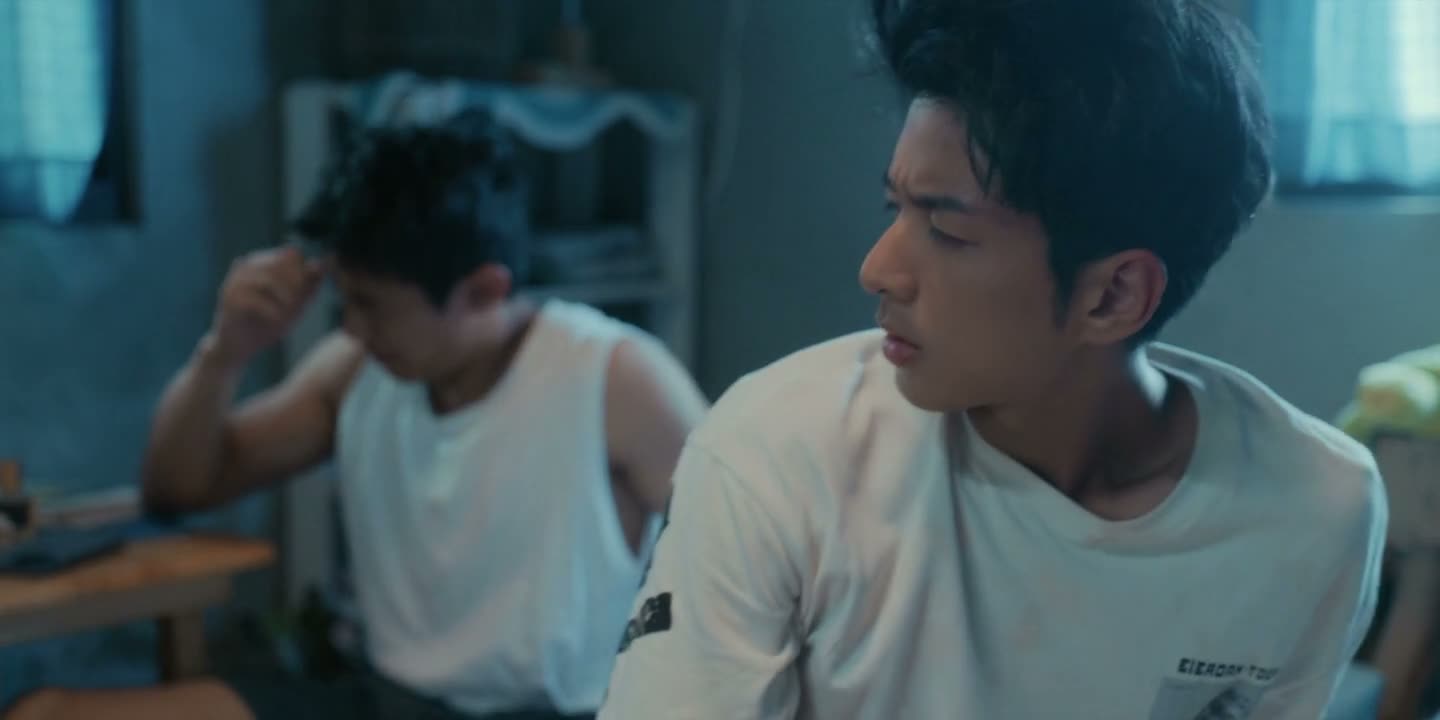
“Did I bring you back?”

“I had it delivered from the mall. Just arrived.”