抓到了 你看 我这一生
“Yes, I did. Look. (My life)”
THE DIALOGUE REEL
抓到了吗
“Did you catch it?”
抓到了 你看 我这一生
“Yes, I did. Look. (My life)”
命途多舛
“(is full of misfortunes.)”
“Forget this small thing, look at how terribly unlucky my whole life has been.”
Chinese speakers often frame chronic misfortune in terms of fate or life's trials, using conversational pauses like 'look at my life' to invite sympathy or philosophize on struggle.
LEARNING CHUNKS & PARTICLES
caught it; captured it
A common resultative verb construction used to announce successful capture or arrest.
look; you see
A common conversational discourse marker used to draw the listener's attention before making an assertion.
my entire life
Used when reflecting deeply or lamenting the overarching trajectory of one's personal journey.
Functions as a completed action aspect marker indicating that the act of catching has succeeded.
VOCABULARY & EXPRESSIONS
Parallel Spoken Cinema Scenes (语义近邻切片)

“Caught it. Look.”

“I've got you!”
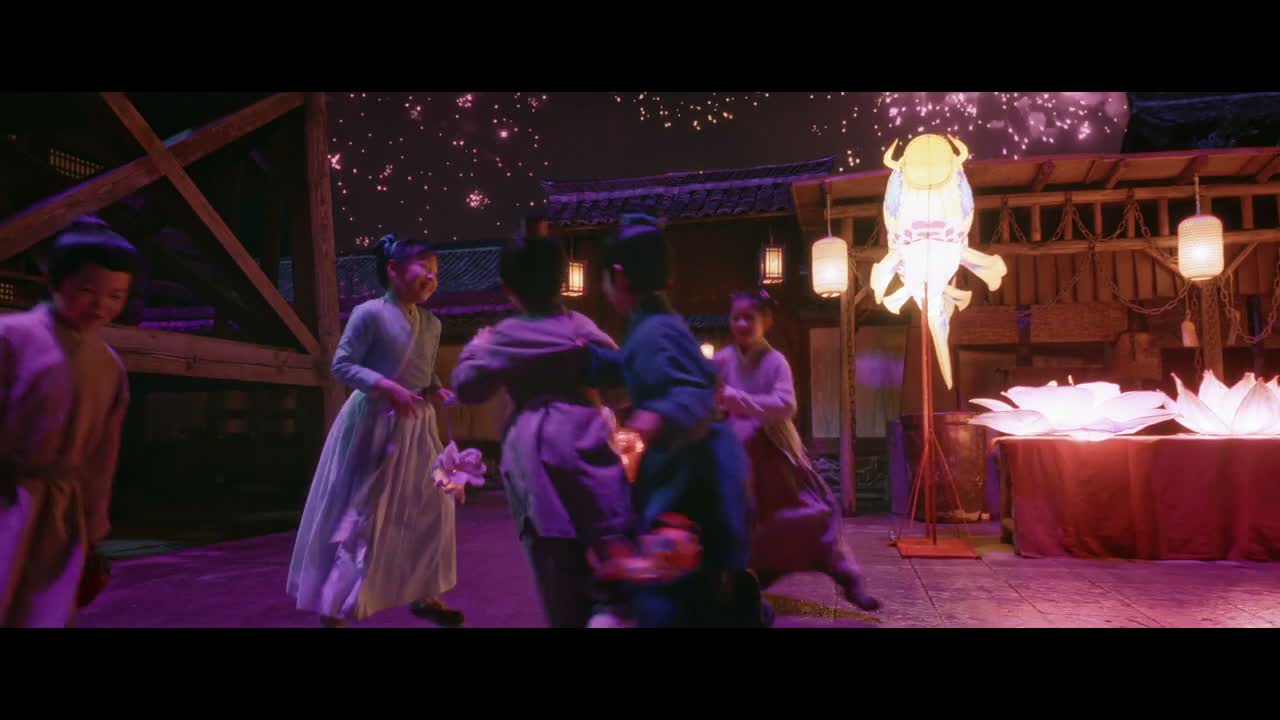
“I caught you.”
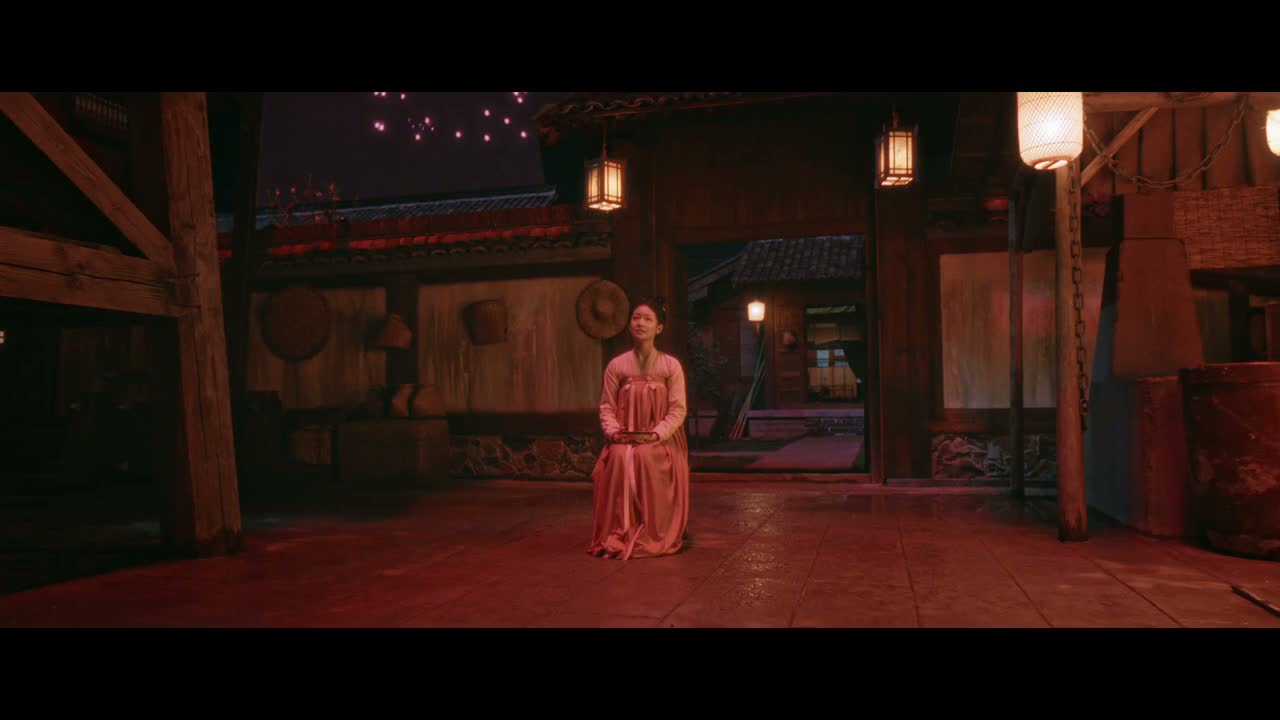
“I caught you. I caught you.”

“Grab onto me! Hold on tight! Don't let me go!”

“I've got you!”