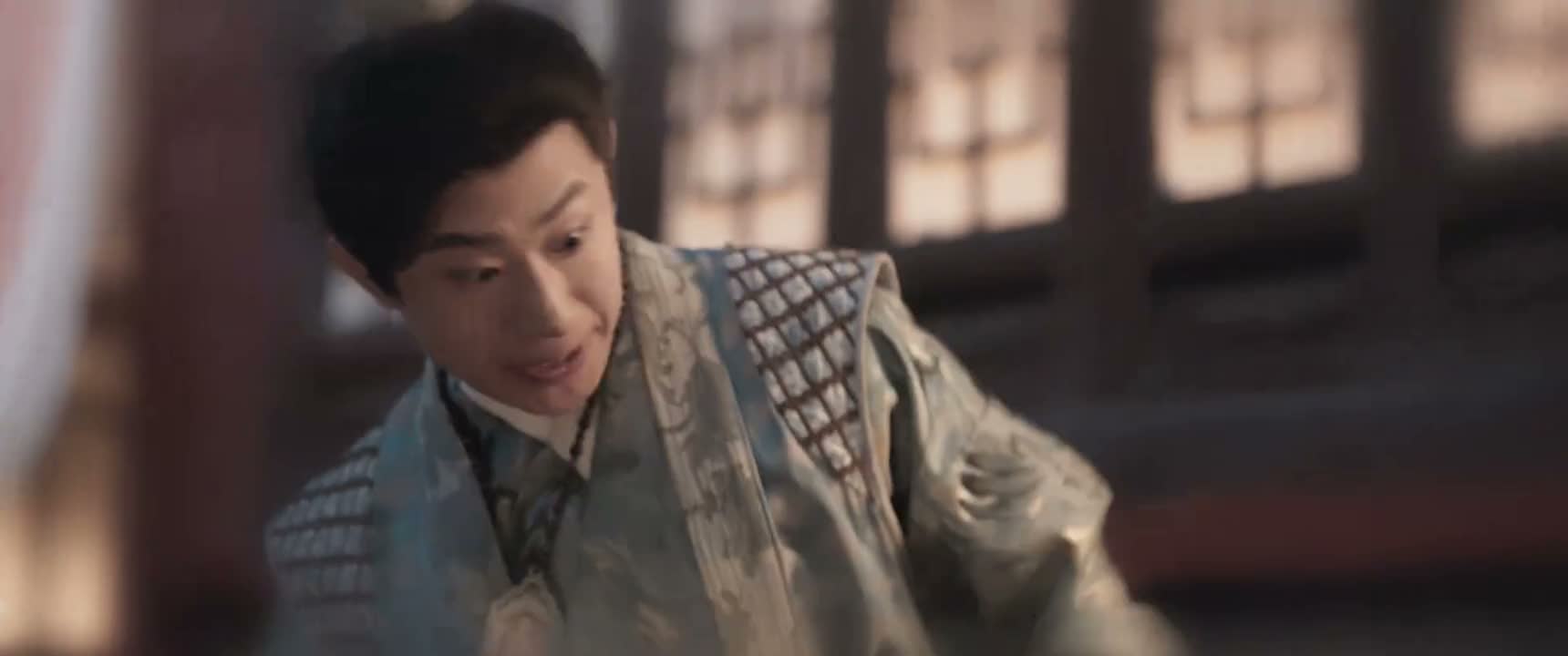
《Pursuit of Jade》 S1·E20 (35:31)
HSK 1
dà gōng zi ráo mìng
大公子饶命
“Spare me, Eldest Young Master!”
《Pursuit of Jade》
S1·E20
TIMECODE: 35:31
·
1080P MASTER AUDIO
THE DIALOGUE REEL
[-1] PREVIOUS TURN
dà gōng zi ráo mìng
大公子饶命
“Spare me, Eldest Young Master!”
dà gōng zi ráo mìng
CURRENT FOCUS
大公子 饶命
“Spare me, Eldest Young Master!”
Subtitles synced to millisecond timecode
Browse Show Clips →
Scene:
Historical & Court
Function:
PLEADING FOR MERCY
Tone:
SUBMISSIVE AND PANICKED
Emotion:
FEAR
WHAT THEY REALLY MEAN (PRAGMATIC SUBTEXT)
Direct spoken expression in this communicative setting.
💡 Cultural Insight: Feudal Hierarchy and Absolute Authority
In traditional elite Chinese households, masters held immense power over servants' lives, making urgent pleas like this a frequent survival tactic.
INTENT TAGS:
#pleading
#submission
#fear
#begging_for_mercy
🧩
2 CHUNKS · 0 PARTICLES
LEARNING CHUNKS & PARTICLES
大公子
SPOKEN CHUNK
eldest young master; eldest son of a noble or wealthy family
A respectful form of address used primarily in historical or period dramas toward the eldest son.
饶命
SPOKEN CHUNK
spare someone's life
Commonly heard in historical dramas when subordinates or captives beg for their lives.
🏮
1 EXPR · 0 GRAMMAR
VOCABULARY & EXPRESSIONS
COLLOQUIAL EXPRESSIONS:
CROSS-CINEMA CORPUS BOARD · PARALLEL SCENES
EXPLORE BY SEMANTIC SIMILARITY
Parallel Spoken Cinema Scenes (语义近邻切片)


《Pursuit of Jade》 S1·E20 (35:31) · Authentic Cinema Dialogue Corpus