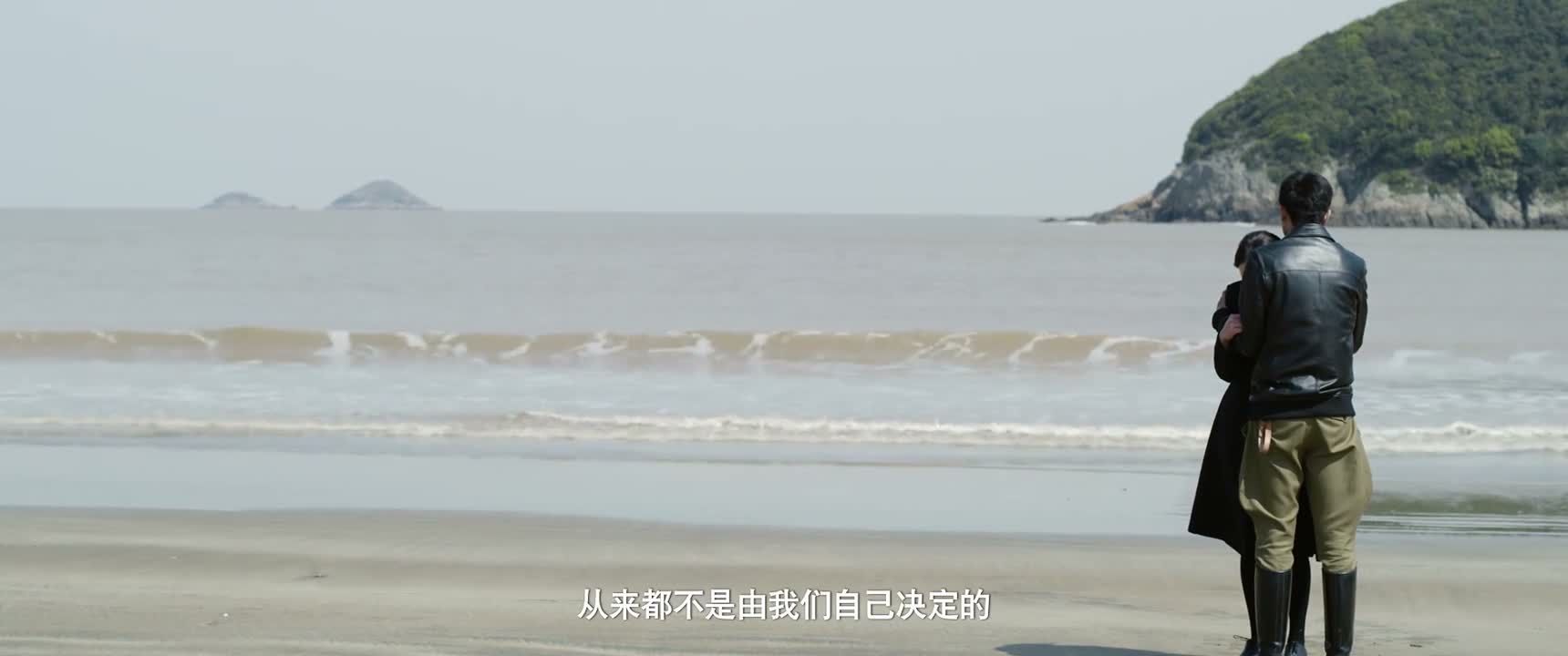
《The Imperial Coroner》 S2·E9 (28:07)
HSK 4
cóng lái bù yóu zì jǐ
从来不由自己
“any say over my own life.”
《The Imperial Coroner》
S2·E9
TIMECODE: 28:07
·
1080P MASTER AUDIO
THE DIALOGUE REEL
[-1] PREVIOUS TURN
kě wǒ zhè tiáo mìng
可我这条命
“but I never had”
cóng lái bù yóu zì jǐ
CURRENT FOCUS
从来不由自己
“any say over my own life.”
[+1] FOLLOW-UP TURN
wǒ běn shì yí gè dà hù rén jiā de jiā jì
“I was once a courtesan in a household of a wealthy family.”
Subtitles synced to millisecond timecode
Browse Show Clips →
Scene:
Historical & Court
Function:
EXPRESSING HELPLESSNESS
Tone:
PLAINTIVE
Emotion:
GRIEF
WHAT THEY REALLY MEAN (PRAGMATIC SUBTEXT)
“I had no choice in what became of me; my fate was dictated by others.”
💡 Cultural Insight: Involuntary Bondage and Fatalism
Servants and entertainers (jiaji) in pre-modern China were legal chattel, subject entirely to the whims of their masters without personal agency.
INTENT TAGS:
#helplessness
#lamenting
#fatalism
#self_justification
🧩
1 CHUNKS · 0 PARTICLES
LEARNING CHUNKS & PARTICLES
从来不由自己
SPOKEN CHUNK
never up to oneself, never within one's own control
Used to express deep helplessness regarding one's life circumstances, fate, or personal choices.
🏮
1 EXPR · 4 GRAMMAR
VOCABULARY & EXPRESSIONS
COLLOQUIAL EXPRESSIONS:
CROSS-CINEMA CORPUS BOARD · PARALLEL SCENES
EXPLORE BY SEMANTIC SIMILARITY
Parallel Spoken Cinema Scenes (语义近邻切片)
《The Imperial Coroner》 S2·E9 (28:07) · Authentic Cinema Dialogue Corpus