《Dream of Golden Years》 S1·E9 (07:06)
HSK 3
wǒ yòu zěn me néng zhī dào ne wǒ yě shì shòu hài zhě
我又怎么能知道呢 我也是受害者
“about my sister's crime? I am a victim too.”
《Dream of Golden Years》
S1·E9
TIMECODE: 07:06
·
1080P MASTER AUDIO
THE DIALOGUE REEL
[-1] PREVIOUS TURN
shì nǐ men jiě mèi hài le tā nà wǒ táng jiě fàn zuì
是你们姐妹害了他 那我堂姐犯罪
“It was you sisters who ruined him! Then how would I have known”
wǒ yòu zěn me néng zhī dào ne wǒ yě shì shòu hài zhě
CURRENT FOCUS
我又怎么能知道呢 我 也是 受害者
“about my sister's crime? I am a victim too.”
[+1] FOLLOW-UP TURN
gè wèi píng wěi men dōu kàn jiàn le ba
各位评委们都看见了吧
“Judges, you all saw it.”
Subtitles synced to millisecond timecode
Browse Show Clips →
Scene:
Crisis & Conflict
Function:
DEFLECTING BLAME
Tone:
AGGRIEVED
Emotion:
DEFENSIVENESS
WHAT THEY REALLY MEAN (PRAGMATIC SUBTEXT)
“Do not pin this crime on me; I suffered just as much as anyone else.”
💡 Cultural Insight: Playing the Victim (示弱自保)
Appealing to personal vulnerability or victimhood is a common pragmatic tactic to neutralize moral outrage in Chinese disputes.
INTENT TAGS:
#blame_shifting
#pleading_ignorance
#self_preservation
#defensiveness
🧩
2 CHUNKS · 1 PARTICLES
LEARNING CHUNKS & PARTICLES
我又怎么能知道呢
SPOKEN CHUNK
how could I possibly know?
A rhetorical question used to strongly deny prior knowledge or complicity.
我也是受害者
SPOKEN CHUNK
I am also a victim
Used to deflect accusations and solicit sympathy by portraying oneself as collateral damage.
Modal Particle「呢」 (ne)
CHANGE OF STATE
Softens the rhetorical question while reinforcing an innocent or bewildered attitude.
🏮
3 EXPR · 1 GRAMMAR
VOCABULARY & EXPRESSIONS
COLLOQUIAL EXPRESSIONS:
GRAMMAR BLUEPRINTS:
CROSS-CINEMA CORPUS BOARD · PARALLEL SCENES
EXPLORE BY SEMANTIC SIMILARITY
Parallel Spoken Cinema Scenes (语义近邻切片)
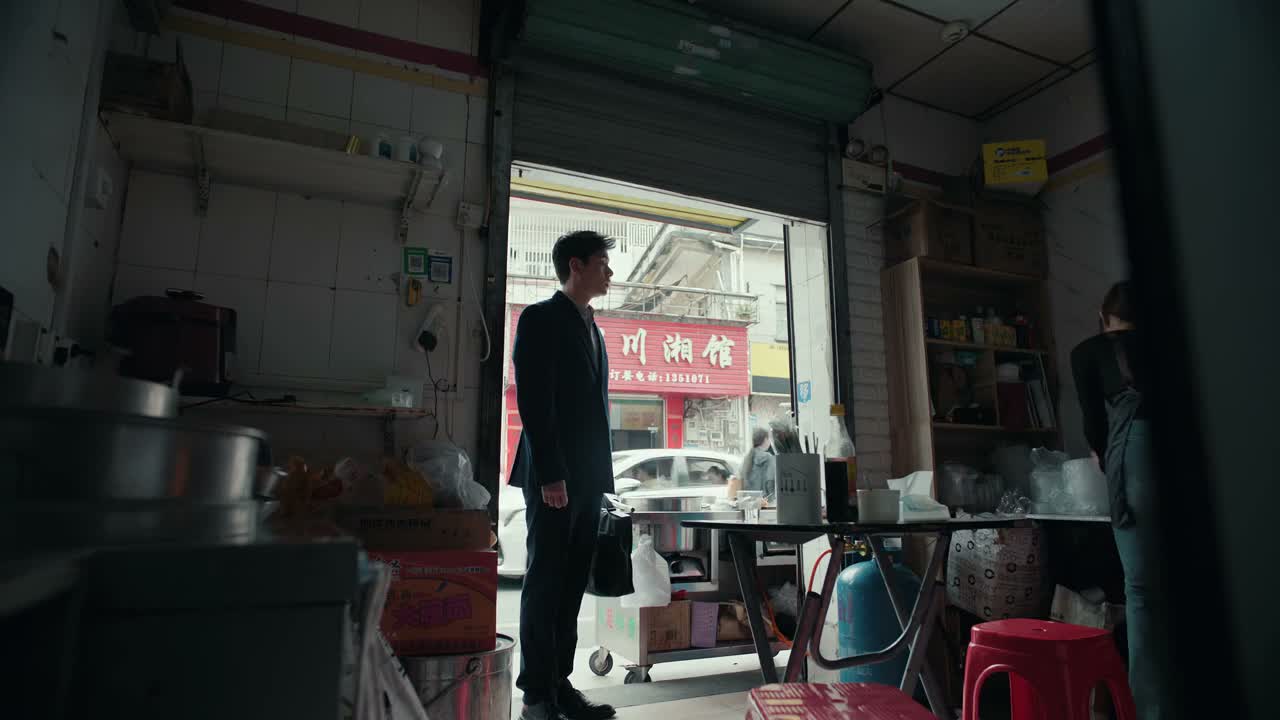

《Dream of Golden Years》 S1·E9 (07:06) · Authentic Cinema Dialogue Corpus