时间来不及了 时间 我 我知道
“-Hey. -Time is running out. I-I know.”
THE DIALOGUE REEL
我现在有很重要的事情要做 不是
“I have something very important to do right now. -Hey. -Time is running out.”
时间来不及了 时间 我 我知道
“-Hey. -Time is running out. I-I know.”
我是有东西要交给你
“I have something to give you.”
“Stop talking, we are completely out of time!”
Repeating words like 'time' and stammering reflects high psychological stress and urgent priority in spontaneous Chinese speech.
LEARNING CHUNKS & PARTICLES
there is no time left / it is too late
A very common colloquial expression used to express that an impending deadline or urgent situation leaves no more time to act.
Marks a change of state, highlighting the sudden urgency and lack of time.
VOCABULARY & EXPRESSIONS
Parallel Spoken Cinema Scenes (语义近邻切片)
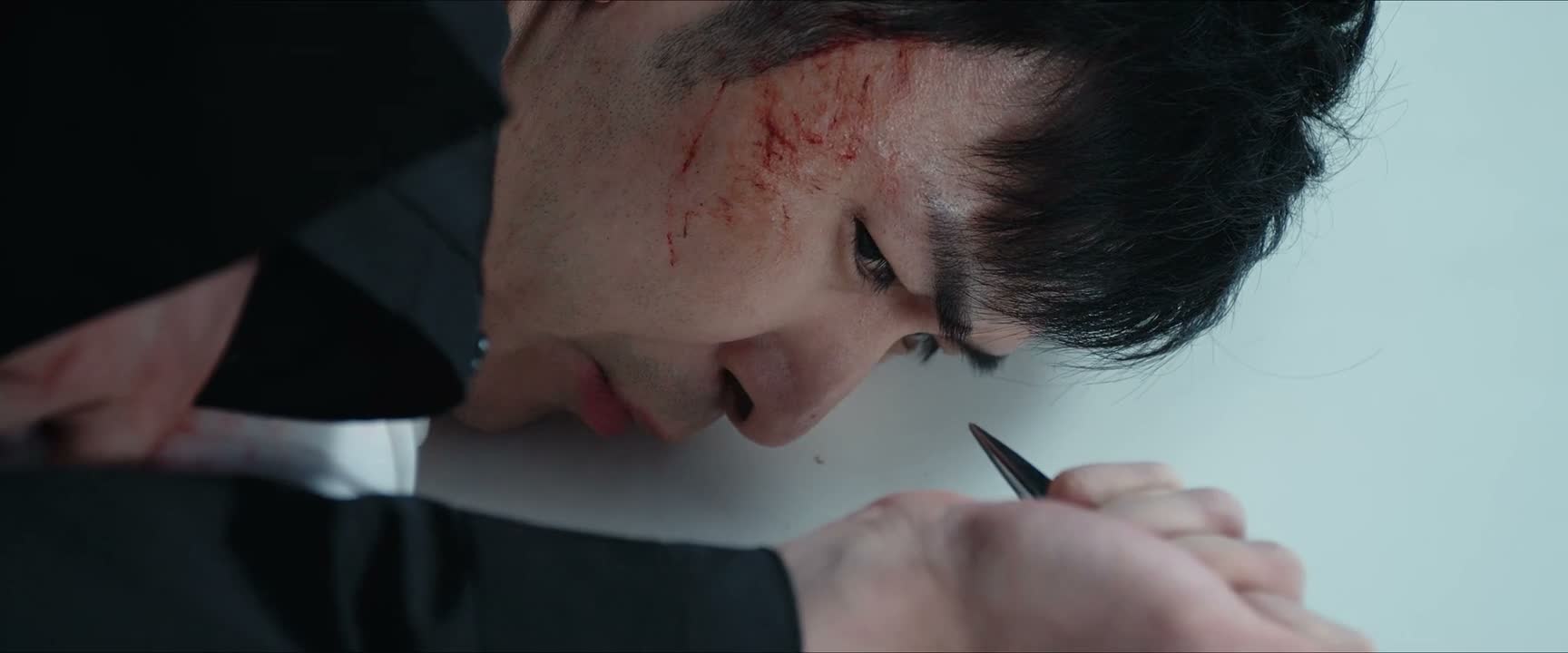
“You don't have much time left. Don't waste your time on me.”

“I mean the time is really limited. Enough talk. Can you do it or not?”

“I'm running late. Why don't you let me park here,”

“I don't have much time left.”