MC
MandarinClips Cinema Corpus
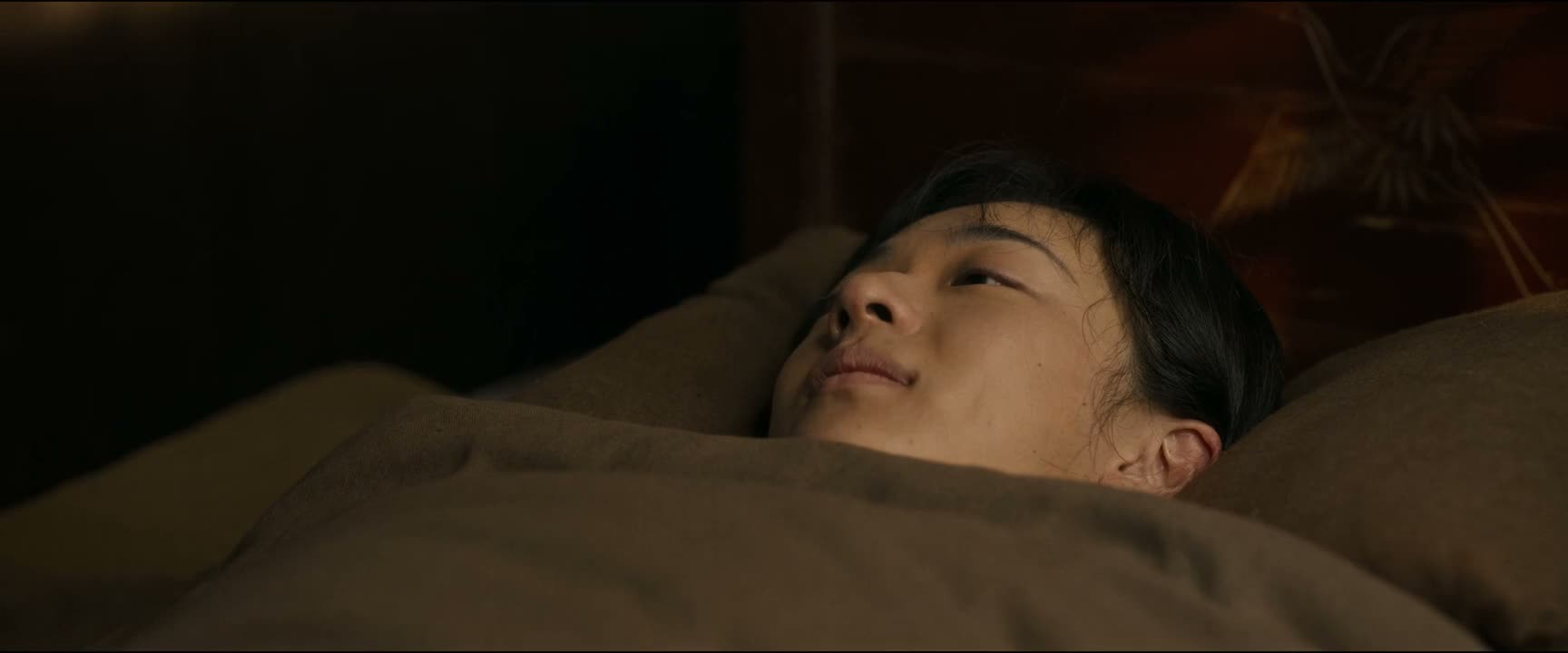
《Archives: The Nanyang Mystery》 S1·E2 (15:27) HSK 1
xiǎo le xiǎo le xiǎo le nǐ kàn méi shì le

小了小了小了 你看 没事了

“It's dying down. It's dying down. Look. It's fine.”

《Archives: The Nanyang Mystery》 S1·E2
TIMECODE: 15:27 · 1080P MASTER AUDIO

THE DIALOGUE REEL

1+1+1 SPOKEN CONTINUITY
[-1] PREVIOUS TURN nǐ kàn

你看

“Look,”

xiǎo le xiǎo le xiǎo le nǐ kàn méi shì le CURRENT FOCUS

小了 小了 小了 你看 没事了

“It's dying down. It's dying down. Look. It's fine.”

[+1] FOLLOW-UP TURN xíng le

行了

“Come on,”

Subtitles synced to millisecond timecode Browse Show Clips →
Scene: Crisis & Conflict
Function: COMFORTING
Tone: REASSURING
Emotion: RELIEF
WHAT THEY REALLY MEAN (PRAGMATIC SUBTEXT)

Direct spoken expression in this communicative setting.

💡 Cultural Insight: Verbal Repetition for Urgency/Relief

Repeating adjectives or verbs rapidly (like '小了小了小了') is common in spoken Chinese to emphasize dynamic, real-time shifts in tense situations.

INTENT TAGS: #reassurance #relief #de-escalation #calming
🧩

LEARNING CHUNKS & PARTICLES

2 CHUNKS · 1 PARTICLES
没事了 SPOKEN CHUNK

it's alright now / no problem anymore

Used to comfort someone after a tense, painful, or dangerous situation has passed.

你看 SPOKEN CHUNK

look / see

Used to direct the listener's attention to visual evidence that supports what the speaker is saying.

Modal Particle「了」 (le) CHANGE OF STATE

Indicates a change of state, showing that the fire or danger has diminished and resolved.
🏮

VOCABULARY & EXPRESSIONS

3 EXPR · 0 GRAMMAR
CROSS-CINEMA CORPUS BOARD · PARALLEL SCENES

Parallel Spoken Cinema Scenes (语义近邻切片)

EXPLORE BY SEMANTIC SIMILARITY
《Archives: The Nanyang Mystery》 S1·E2 (15:27) · Authentic Cinema Dialogue Corpus