MC
MandarinClips Cinema Corpus
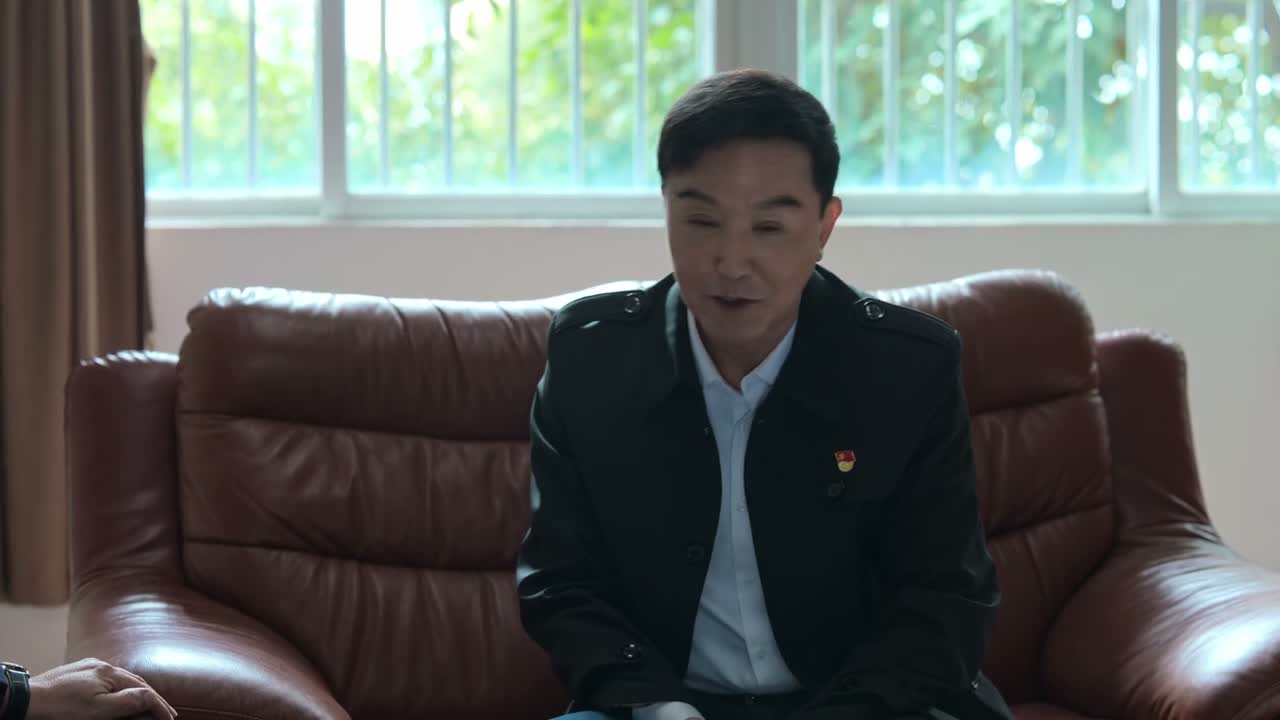
《Veil of Shadows》 S1·E20 (19:48) HSK 6
gěi wǒ diǎn miàn zi kě yǐ ma ?

给我点面子 可以吗?

“Could you show me some respect?”

《Veil of Shadows》 S1·E20
TIMECODE: 19:48 · 1080P MASTER AUDIO

THE DIALOGUE REEL

1+1+1 SPOKEN CONTINUITY
[-1] PREVIOUS TURN zhuāng shén me zhuāng ?

装什么装?

“Drop the act.”

gěi wǒ diǎn miàn zi kě yǐ ma ? CURRENT FOCUS

给我 点 面子 可以吗 ?

“Could you show me some respect?”

[+1] FOLLOW-UP TURN zhè shì gàn má ?

这是干吗?

“What are you doing?”

Subtitles synced to millisecond timecode Browse Show Clips →
Scene: Crisis & Conflict
Function: PLEADING FOR FACE
Tone: PLEADING
Emotion: EMBARRASSMENT
WHAT THEY REALLY MEAN (PRAGMATIC SUBTEXT)
“Stop humiliating me in public; back off and let me keep some dignity.”
💡 Cultural Insight: Mianzi (Face-saving)

Public embarrassment is deeply dreaded in Chinese interpersonal dynamics; asking someone to 'give face' is an explicit plea to preserve social standing and avoid open disgrace.

INTENT TAGS: #face_saving #pleading #conflict_de-escalation #defensiveness
🧩

LEARNING CHUNKS & PARTICLES

2 CHUNKS · 1 PARTICLES
给面子 SPOKEN CHUNK

to give face / to show respect / to spare someone's embarrassment

A vital idiomatic concept in Chinese social interactions, used when asking someone to show courtesy or avoid embarrassing you.

可以吗 SPOKEN CHUNK

is that okay? / can you please?

A tag question used here to soften a desperate plea or demand into a rhetorical request.

Modal Particle「吗」 (ma) CHANGE OF STATE

Forms a question that presses the interlocutor for compliance.
🏮

VOCABULARY & EXPRESSIONS

3 EXPR · 0 GRAMMAR
CROSS-CINEMA CORPUS BOARD · PARALLEL SCENES

Parallel Spoken Cinema Scenes (语义近邻切片)

EXPLORE BY SEMANTIC SIMILARITY
《Veil of Shadows》 S1·E20 (19:48) · Authentic Cinema Dialogue Corpus