MC
MandarinClips Cinema Corpus
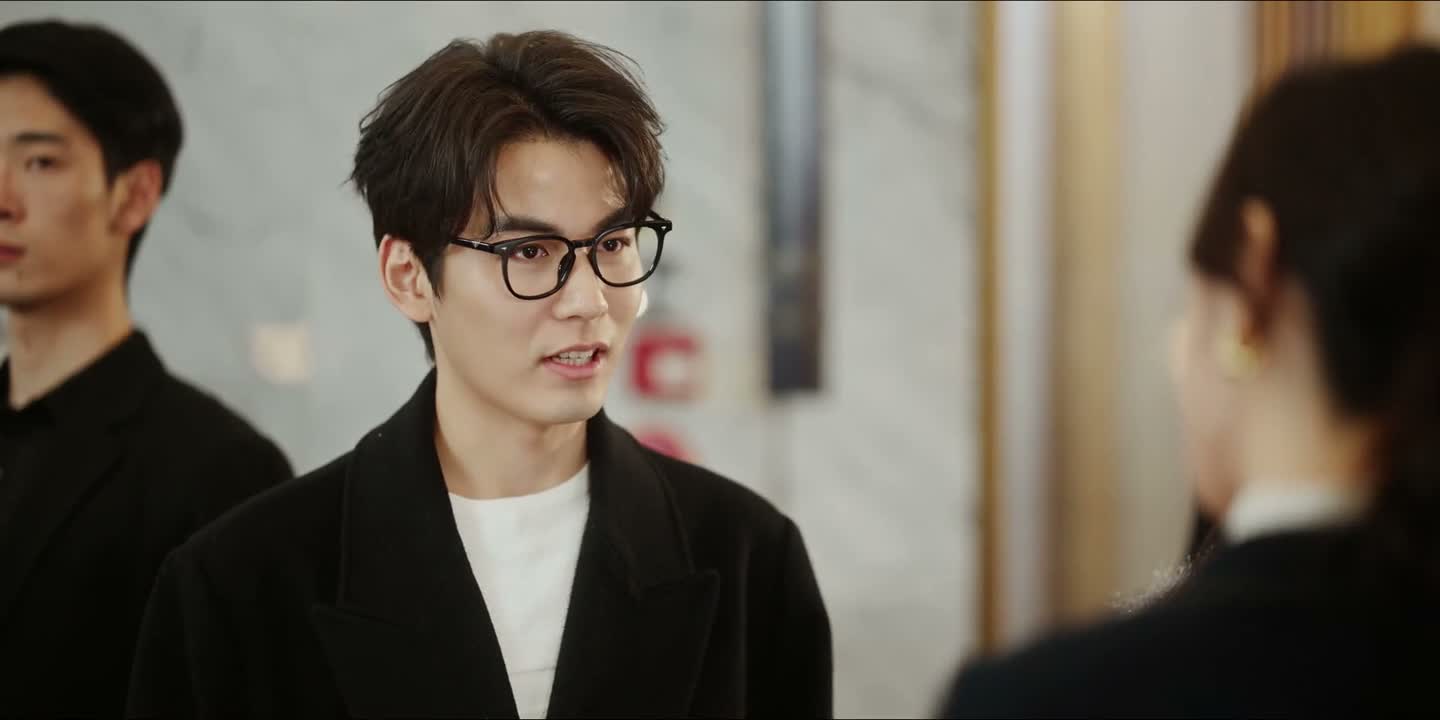
《Unveil: Jadewind》 S1·E29 (44:41) HSK 1
wǒ zěn me huì yǒu yán miàn qù qiú qíng ne ?

我怎么会有颜面去求情呢?

“What right have I to plead his case?”

《Unveil: Jadewind》 S1·E29
TIMECODE: 44:41 · 1080P MASTER AUDIO

THE DIALOGUE REEL

1+1+1 SPOKEN CONTINUITY
[-1] PREVIOUS TURN jí biàn zhū lián yú wǒ yě shì yīng gāi

“Even if I were implicated, I deserve it.”

wǒ zěn me huì yǒu yán miàn qù qiú qíng ne ? CURRENT FOCUS

我怎么会有 颜面 去 求情 呢 ?

“What right have I to plead his case?”

[+1] FOLLOW-UP TURN rén shì yòu xiāng shā de

人是右相杀的

“He did the killing.”

Subtitles synced to millisecond timecode Browse Show Clips →
Scene: Historical & Court
Function: REFUSING REQUEST
Tone: DESPAIRING
Emotion: SHAME
WHAT THEY REALLY MEAN (PRAGMATIC SUBTEXT)
“I feel too disgraced and responsible to beg anyone for mercy.”
💡 Cultural Insight: Mianzi (Face and Moral Dignity)

Having no face (没有颜面) means one has crossed a moral threshold of shame, rendering any request for mercy socially and ethically unacceptable.

INTENT TAGS: #refusal #self_reproach #saving_face #rhetorical_denial
🧩

LEARNING CHUNKS & PARTICLES

2 CHUNKS · 1 PARTICLES
有颜面 SPOKEN CHUNK

to have the face (dignity, moral right) to do something

Commonly used in negative or rhetorical questions to emphasize deep shame or a total lack of justification to face someone.

求情 SPOKEN CHUNK

to plead for leniency or beg for mercy

Used when asking an authority figure to spare someone from punishment or harsh consequences.

Modal Particle「呢」 (ne) CHANGE OF STATE

Softens the rhetorical question while underscoring the speaker's emotional helplessness and disbelief at the suggestion.

🏮

VOCABULARY & EXPRESSIONS

3 EXPR · 1 GRAMMAR
CROSS-CINEMA CORPUS BOARD · PARALLEL SCENES

Parallel Spoken Cinema Scenes (语义近邻切片)

EXPLORE BY SEMANTIC SIMILARITY
《Unveil: Jadewind》 S1·E29 (44:41) · Authentic Cinema Dialogue Corpus