MC
MandarinClips Cinema Corpus
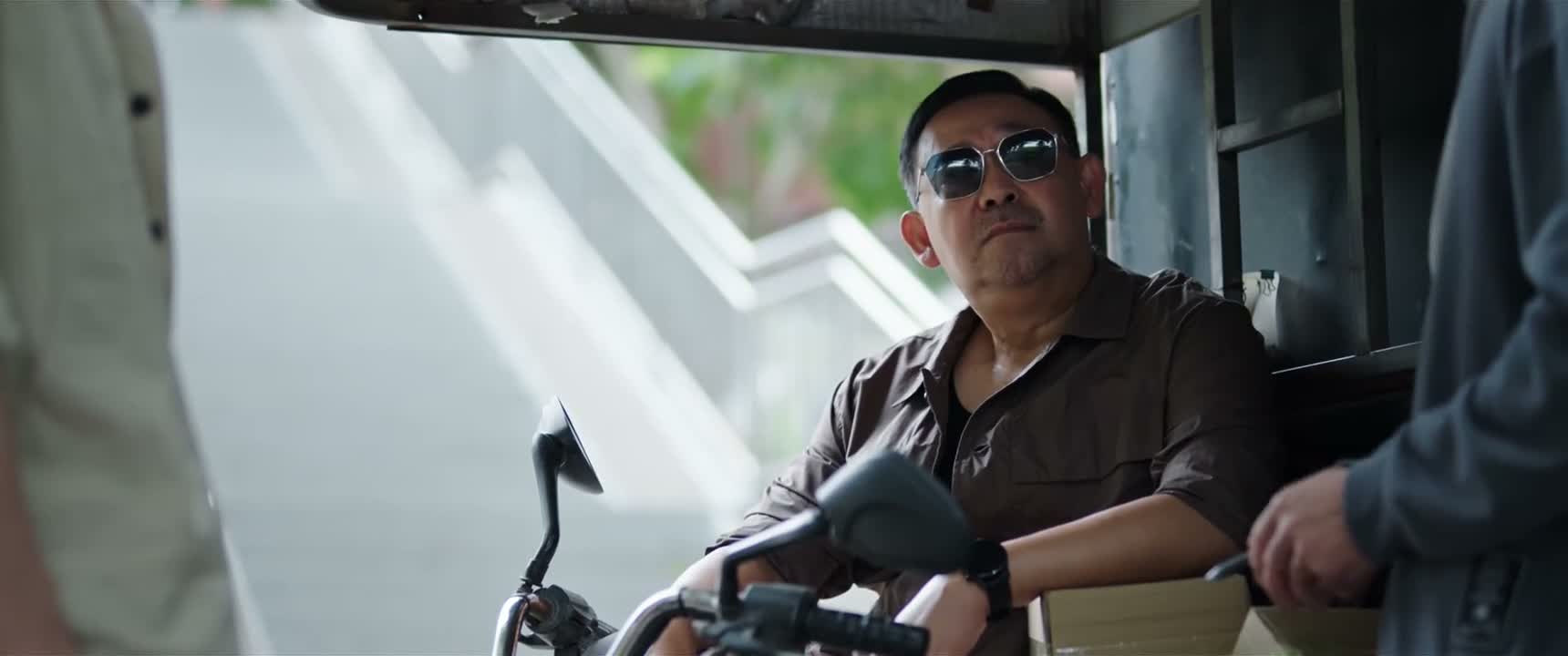
《The Guilty》 S1·E11 (03:03) HSK 4
zuò zài nà ge zhuō zi nà biān nà ge rén nǐ hái yǒu yìn xiàng ma

坐在那个桌子 那边那个人你还有印象吗

“between 5:30 and 6:30 yesterday?”

《The Guilty》 S1·E11
TIMECODE: 03:03 · 1080P MASTER AUDIO

THE DIALOGUE REEL

1+1+1 SPOKEN CONTINUITY
[-1] PREVIOUS TURN wǒ xiǎng wèn yī xià zuó tiān wǔ diǎn bàn dào liù diǎn bàn zhī jiān

“Do you remember the person who was sitting at that table”

zuò zài nà ge zhuō zi nà biān nà ge rén nǐ hái yǒu yìn xiàng ma CURRENT FOCUS

坐在 那个 桌子 那边 那个 人你 还有印象吗

“between 5:30 and 6:30 yesterday?”

[+1] FOLLOW-UP TURN yǒu yǒu yǒu

有有有

“Yes.”

Subtitles synced to millisecond timecode Browse Show Clips →
Scene: Legal & Police
Function: SEEKING CONFIRMATION
Tone: INQUISITIVE
WHAT THEY REALLY MEAN (PRAGMATIC SUBTEXT)

Direct spoken expression in this communicative setting.

💡 Cultural Insight: Indirectness in Witness Questioning

Asking 'Do you have an impression?' (有印象吗) is gentler and more conversational than directly commanding 'Do you remember?' (你记不记得), putting less pressure on the witness.

INTENT TAGS: #inquiry #investigation #identifying #questioning
🧩

LEARNING CHUNKS & PARTICLES

2 CHUNKS · 1 PARTICLES
有印象 SPOKEN CHUNK

to recall, to have an impression of

The standard natural way in Chinese to ask if someone remembers or recognizes a person, place, or event.

那边那个人 SPOKEN CHUNK

that person over there

A demonstrative phrase commonly used when pointing out someone in sight or in a remembered layout.

Modal Particle「吗」 (ma) CHANGE OF STATE

Turns the declarative sentence into a polite yes-no question.
🏮

VOCABULARY & EXPRESSIONS

2 EXPR · 1 GRAMMAR
CROSS-CINEMA CORPUS BOARD · PARALLEL SCENES

Parallel Spoken Cinema Scenes (语义近邻切片)

EXPLORE BY SEMANTIC SIMILARITY
《The Guilty》 S1·E11 (03:03) · Authentic Cinema Dialogue Corpus