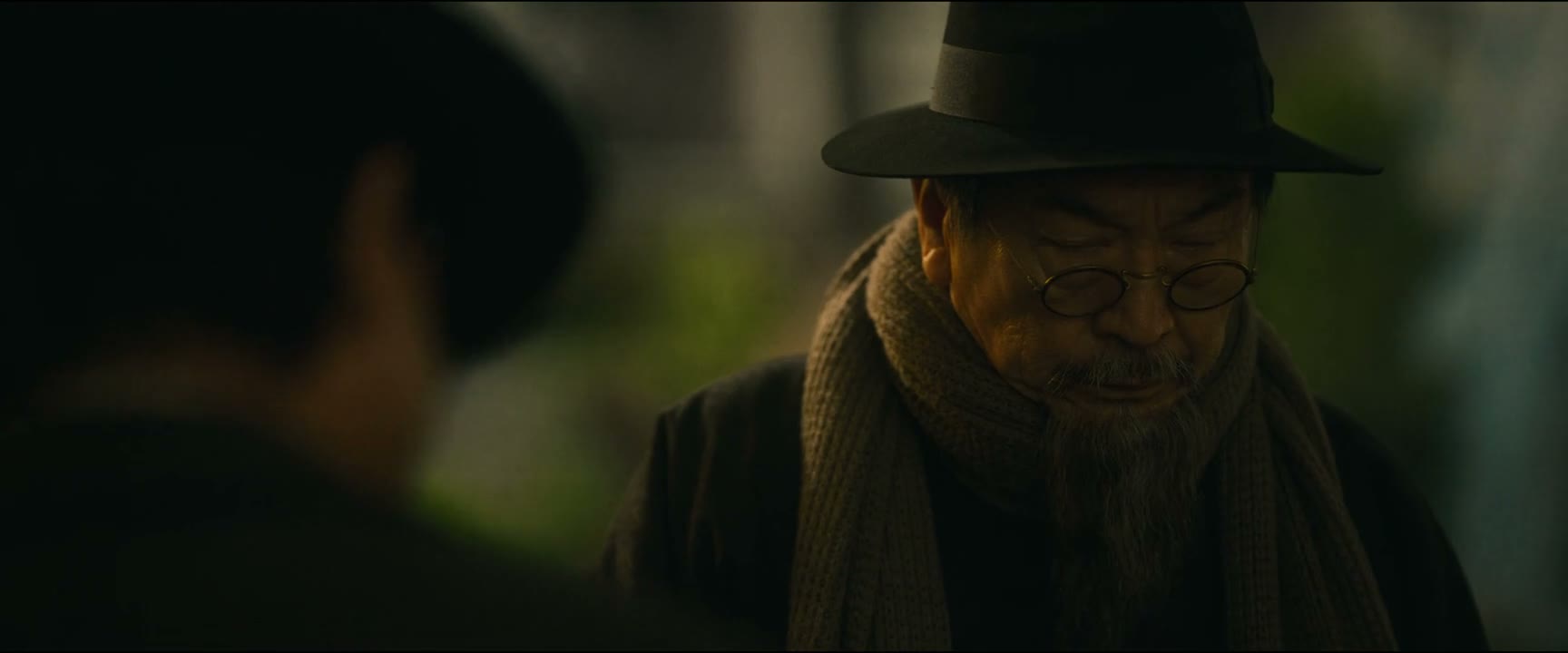
《Echoes of a Thousand Moons》 S1·E8 (29:58)
HSK 5
huó pú sà huó pú sà nín kàn zhè guài wǒ guài wǒ guài wǒ
活菩萨 活菩萨 您看这 怪我 怪我 怪我
“Living Buddha. Look, it's my fault.”
《Echoes of a Thousand Moons》
S1·E8
TIMECODE: 29:58
·
1080P MASTER AUDIO
THE DIALOGUE REEL
[-1] PREVIOUS TURN
gē bù bù bù
哥 不不不
“Brother. No.”
huó pú sà huó pú sà nín kàn zhè guài wǒ guài wǒ guài wǒ
CURRENT FOCUS
活菩萨 活菩萨 您看 这 怪我 怪我 怪我
“Living Buddha. Look, it's my fault.”
[+1] FOLLOW-UP TURN
guài wǒ yǒu yǎn bù shí tài shān
“I failed to recognize a great man.”
Subtitles synced to millisecond timecode
Browse Show Clips →
Scene:
Social & Dating
Function:
PROFUSE APOLOGY
Tone:
FAWNING
Emotion:
FEAR
WHAT THEY REALLY MEAN (PRAGMATIC SUBTEXT)
“You are a saint, please show mercy! This is entirely my mistake, do not hold it against me.”
💡 Cultural Insight: Flattery to Defuse Conflict
Elevating the other party to the status of a deity ('Living Bodhisattva') while debasing oneself is a classic strategy to trigger magnanimity and avoid punishment.
INTENT TAGS:
#apologizing
#flattery
#self_deprecation
#appeasement
🧩
2 CHUNKS · 0 PARTICLES
LEARNING CHUNKS & PARTICLES
活菩萨
SPOKEN CHUNK
living Bodhisattva / merciful savior
An exaggerated compliment used to flatter someone into being merciful, generous, or forgiving.
怪我
SPOKEN CHUNK
my fault / blame me
Repeated self-blame used in informal speech to quickly defuse social friction.
🏮
3 EXPR · 0 GRAMMAR
VOCABULARY & EXPRESSIONS
COLLOQUIAL EXPRESSIONS:
CROSS-CINEMA CORPUS BOARD · PARALLEL SCENES
EXPLORE BY SEMANTIC SIMILARITY
Parallel Spoken Cinema Scenes (语义近邻切片)
《Echoes of a Thousand Moons》 S1·E8 (29:58) · Authentic Cinema Dialogue Corpus