看啥呢 进来
“Don't stand there. Come here!”
THE DIALOGUE REEL
公安同志 人来了啊
“Officer, they're here.”
看啥呢 进来
“Don't stand there. Come here!”
走
“Come.”
Direct spoken expression in this communicative setting.
In Chinese law enforcement and official contexts, officers frequently use short, unadorned imperatives to establish discipline and assert control over the scene.
LEARNING CHUNKS & PARTICLES
what are you looking at?
A blunt, informal northern colloquialism used to snap someone out of hesitation or idle staring.
come in / enter
A direct imperative directional complement used to order someone to step into a room.
Marks an ongoing action with a mild query, emphasizing curiosity or mild impatience.
VOCABULARY & EXPRESSIONS
Parallel Spoken Cinema Scenes (语义近邻切片)

“What are you looking at? Serve the food! To stand out,”

“What are you looking at? Just focus on peeing. Stop stalling.”

“What are you staring at? Keep staring, and I'll dig your eyes out.”
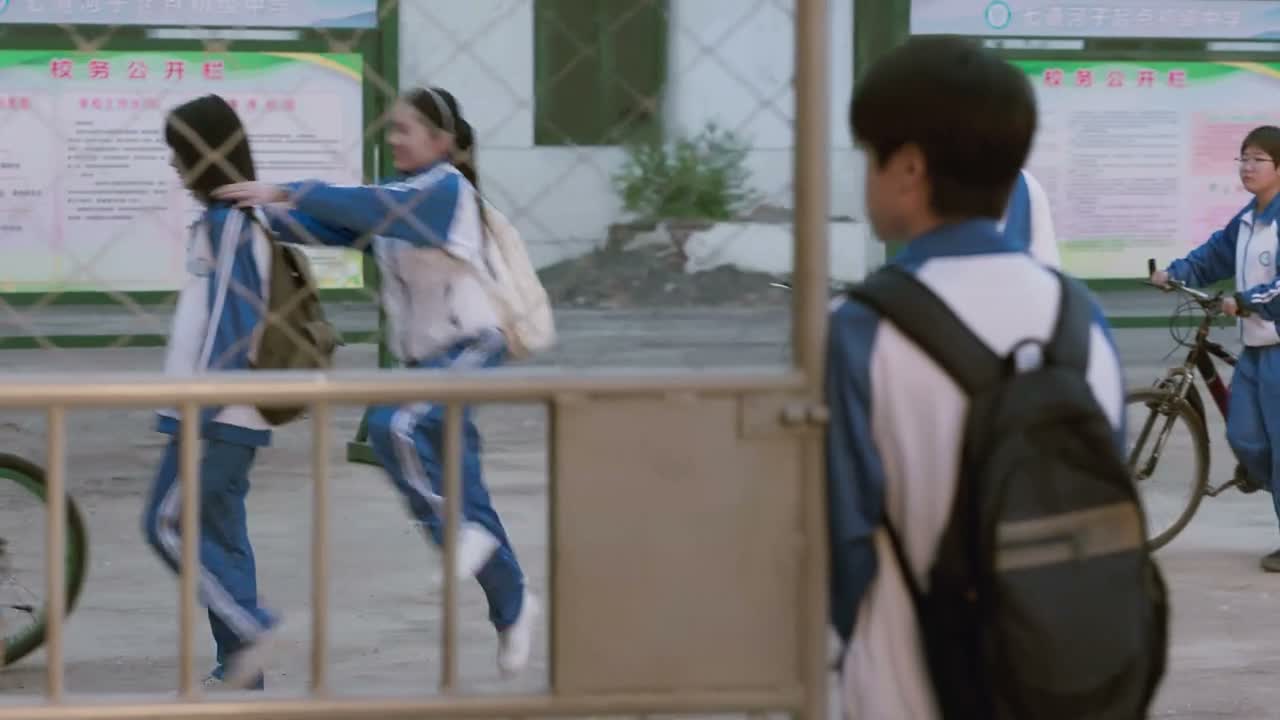
“What are you looking at? Are you some kind of crab?”
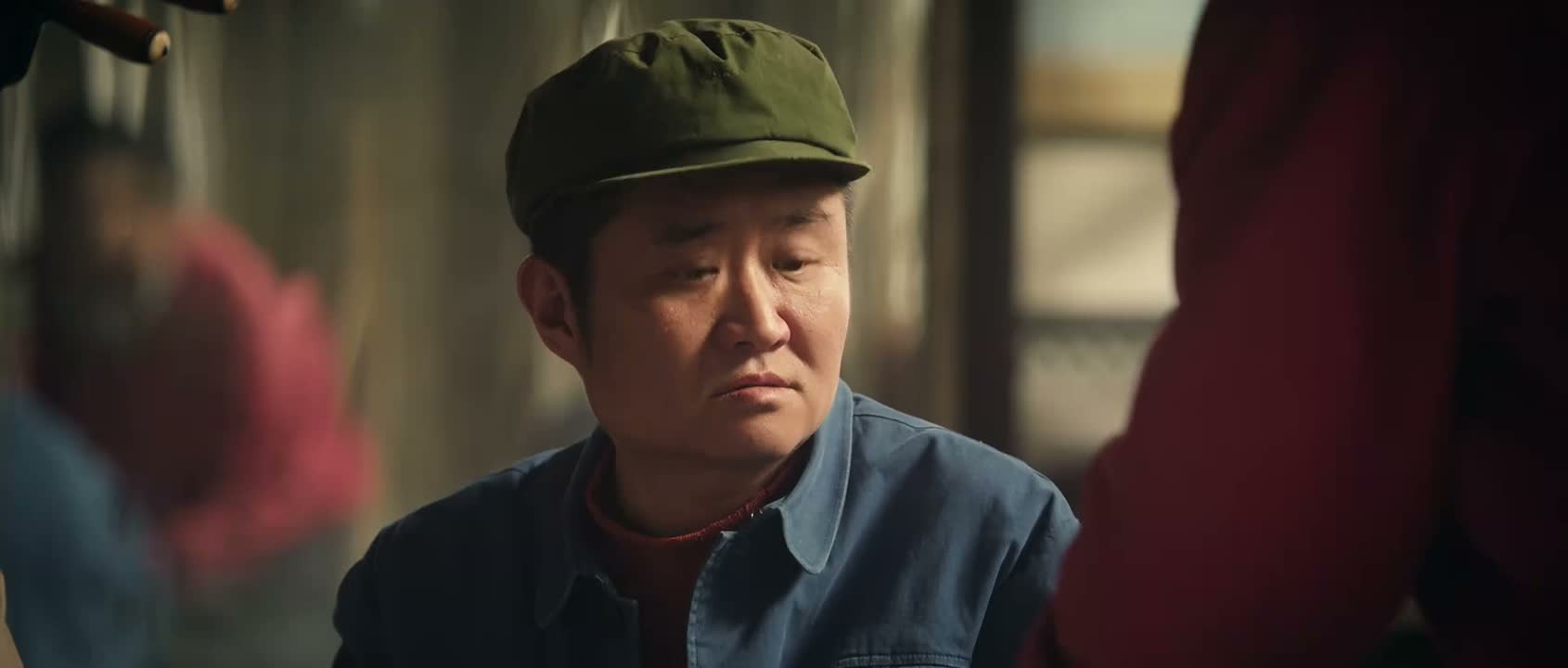
“See how it feels.”
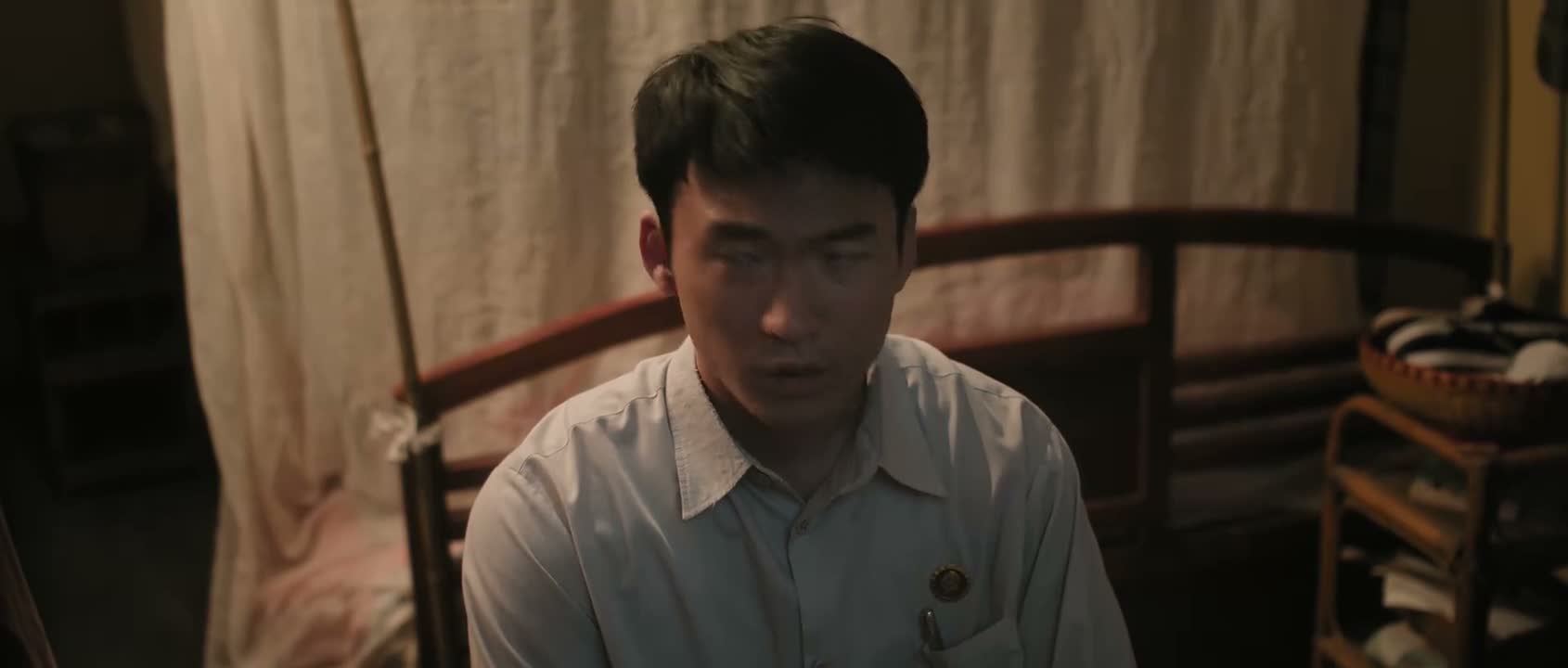
“What for? You wouldn't understand it.”