你让我停哪儿啊 前面右转靠边停就行了
“Where do you want me to stop? Pull over on the right after the turn ahead.”
THE DIALOGUE REEL
前面马上到了
“We're almost there.”
你让我停哪儿 啊 前面 右转 靠边停 就行了
“Where do you want me to stop? Pull over on the right after the turn ahead.”
但你要在楼下等我
“Wait downstairs for me.”
Direct spoken expression in this communicative setting.
In daily transit, Chinese speakers use compact verb phrases like '靠边停' to efficiently direct drivers without redundant pleasantries.
LEARNING CHUNKS & PARTICLES
pull over to the side of the road
The standard driving command when asking a taxi driver or companion to pull up to the curb.
that will do; that's fine
Used to indicate that an action or arrangement is completely sufficient.
Marks an open, practical question regarding where to park.
Used at the end of '就行了' to indicate resolution and sufficiency.
VOCABULARY & EXPRESSIONS
Parallel Spoken Cinema Scenes (语义近邻切片)

“Just pull over here. The road ahead is too narrow for the car.”

“You think I can just stop? I can't just pull over on a mountain road.”

“pull over. Please buy me a bottle of water. Okay.”
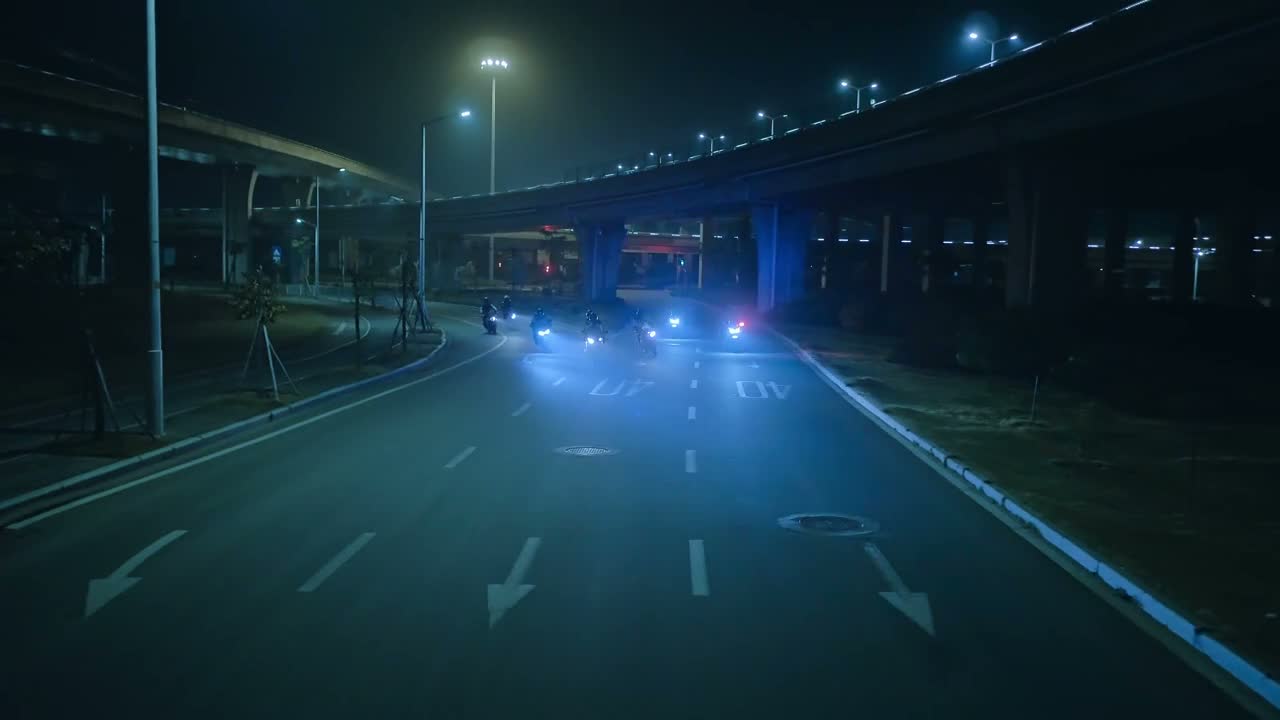
“Please pull over!”

“I pulled over at the perfect spot.”
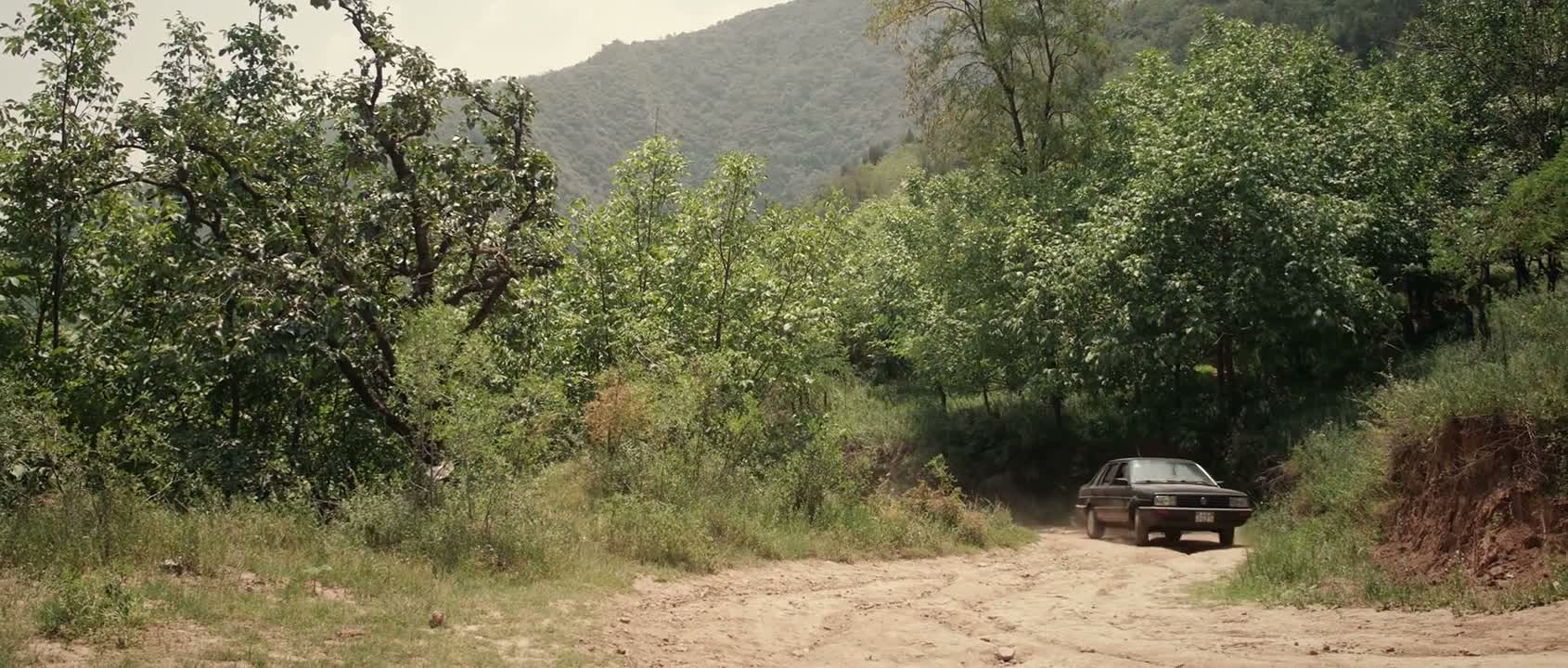
“I can't stop here. Just wait a sec.”