你要什么时候有空咱们见一下
“Let's meet up when you're free.”
THE DIALOGUE REEL
“Mr. He Han, is there anything else you want to know?”
你要 什么时候有空 咱们 见一下
“Let's meet up when you're free.”
行 随时
“Sure. Anytime.”
Direct spoken expression in this communicative setting.
Using '咱们' instead of '我们' naturally fosters collegial intimacy in Northern Mandarin, while adding '一下' softens transactional demands into easy, casual requests.
LEARNING CHUNKS & PARTICLES
when do you have free time / when are you available
A polite, standard phrasing to defer to the other person's availability when setting up appointments.
let's meet up for a brief moment
Using '咱们' creates inclusive rapport, and '一下' softens the request by making the meeting seem low-commitment.
VOCABULARY & EXPRESSIONS
Parallel Spoken Cinema Scenes (语义近邻切片)

“Do you have time so we can get together?”
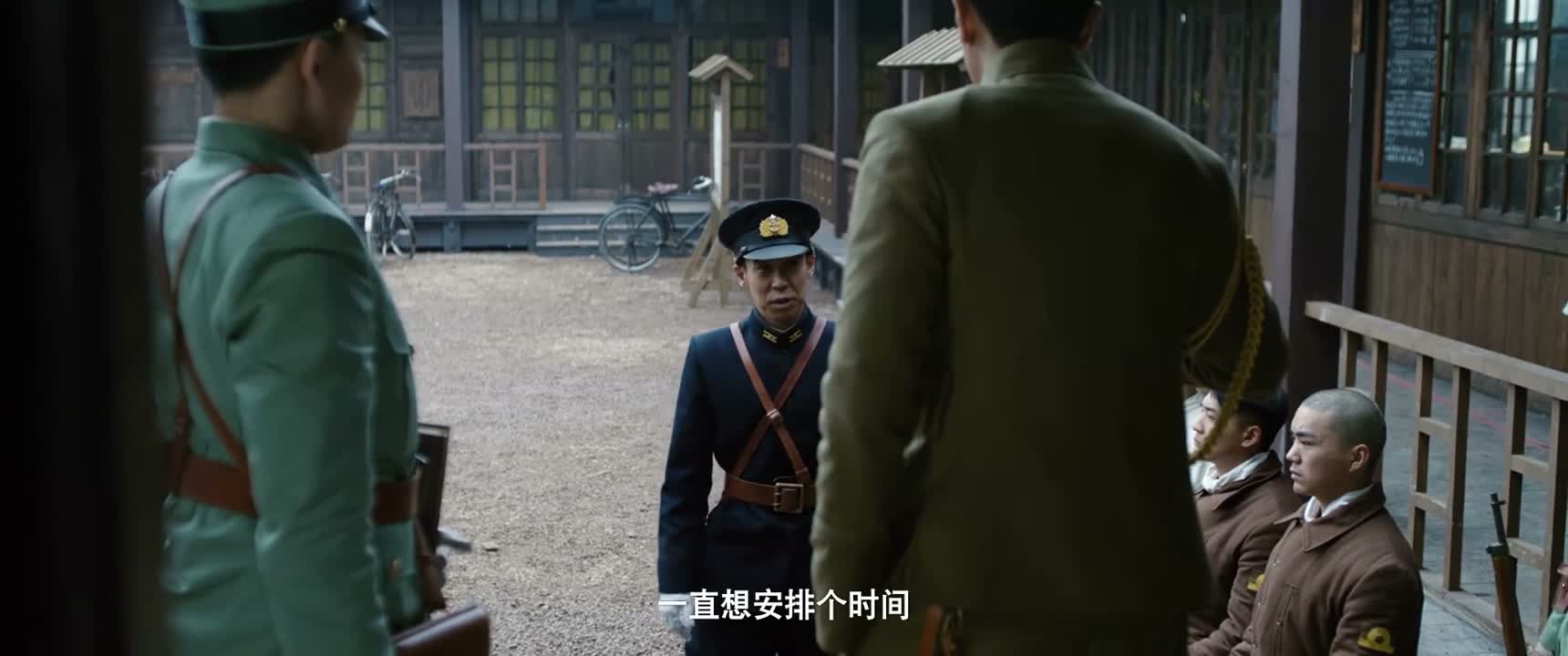
“I've been wanting to arrange a time...”

“Then we'll schedule”

“have time to even notice me today?”

“When should we meet to have another drink?”

“will give us an explanation.”

“What does this mean: "We'll know when the time comes"?”

“If you have time then, let's meet up.”

“Find some time”

“When will we go? Do you have time now?”

“So, when should we organize a class reunion? I haven't seen you for just two years,”