年纪大了 老忘事
“I'm old and got forgetful.”
THE DIALOGUE REEL
去北京干吗 我前两天跟你说过的呀 你没听见啊
“Why? I talked to you about that the other day. You didn't listen?”
年纪大了 老忘事
“I'm old and got forgetful.”
你女儿
“Your daughter”
“Do not be mad at me for forgetting; my memory is just not what it used to be.”
In Chinese culture, older adults often cite their age as a graceful, face-saving buffer to excuse lapses in attention or memory without losing dignity.
LEARNING CHUNKS & PARTICLES
getting on in years; getting old
A common colloquial phrase used to explain away physical decline, fatigue, or memory slips in a self-effacing way.
always forgetting things; constantly forgetful
Use '老' here as an adverb meaning 'always' or 'constantly' when talking about habitual actions or recurring habits.
Marks a change of state, highlighting the transition into older age.
VOCABULARY & EXPRESSIONS
Parallel Spoken Cinema Scenes (语义近邻切片)

“I'm old and got forgetful.”

“I'm getting old. I can't remember clearly.”
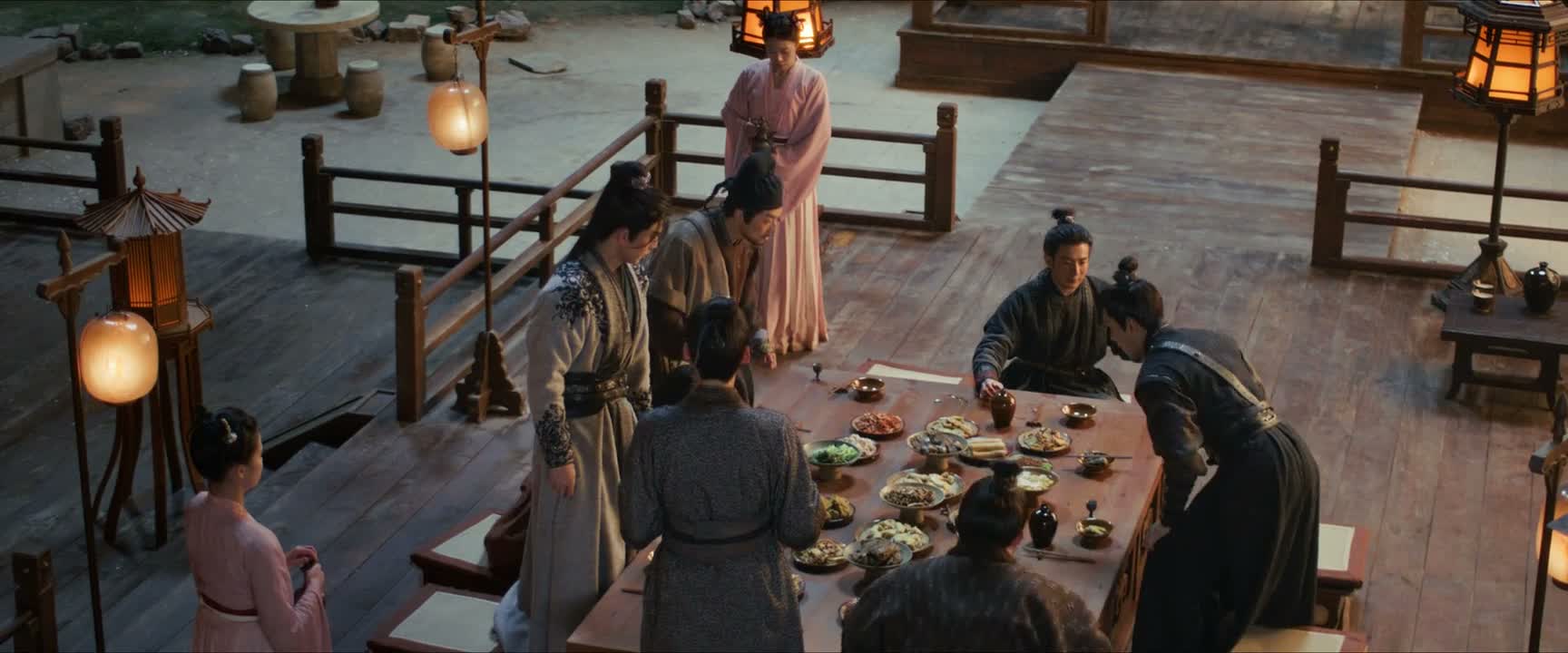
“-I'm old. I don't remember what I said. -Sit, sit.”