年纪大了
nián jì dà leCommon spoken expression used by native Chinese speakers in daily life.
[Scene: 家庭日常]
(6 clips) 00:02
 00:03
(我得回去看他) ── Previous context
“My parents are getting on in years, so I must go be with them.”
 00:03
(那就应该回家吃饭嘛) ── Previous context
“But he thinks Grandma Yu is too old to have guests.”
 00:02
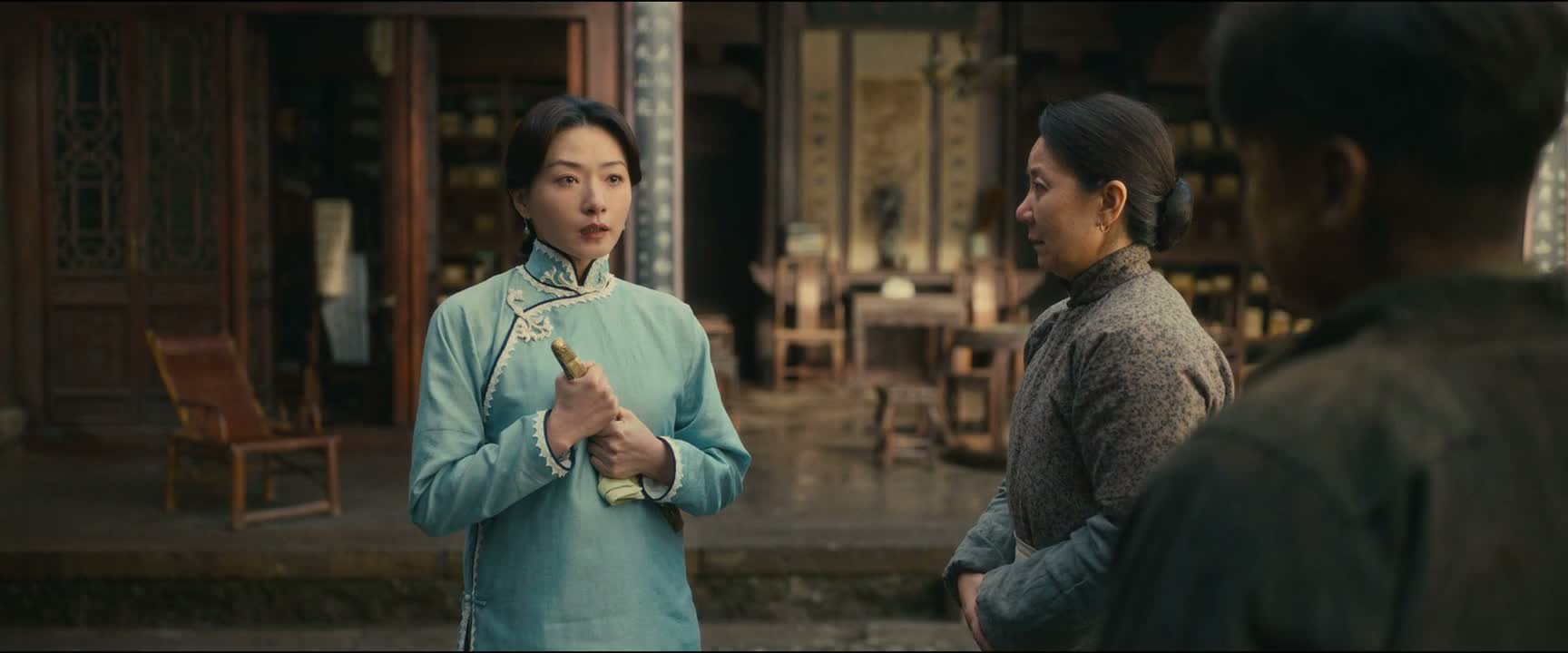 00:03
(有一件事我想拜托你) ── Previous context
“The old master is getting old, and his health is not very good.”
 00:02
[Scene: 其他场景]
(3 clips)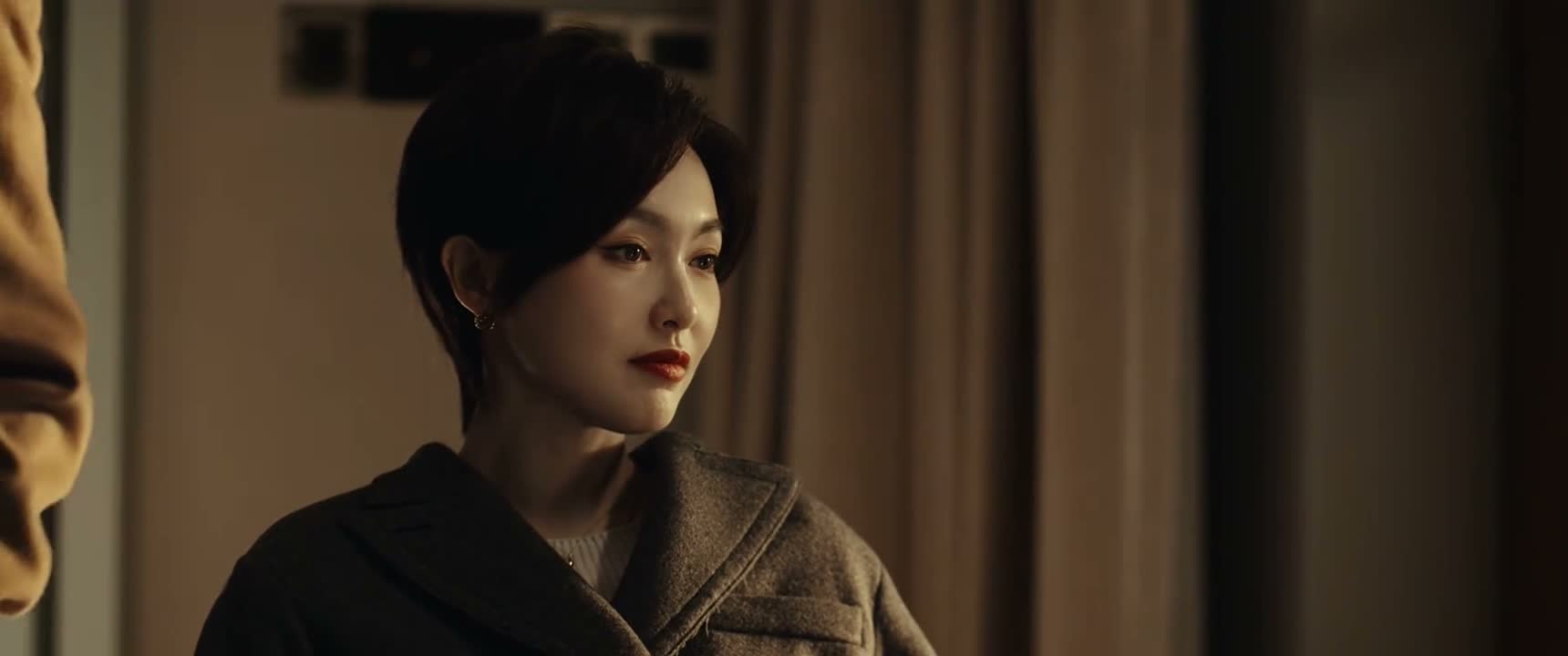 00:02
(我已经设定好了 你就是闪灵骑士) ── Previous context
“Ma's getting older. He couldn't hide his reaction fast enough.”
 00:02
 00:02
[Scene: 餐饮美食]
(3 clips) 00:02
 00:02
 00:03
[Scene: 社交聚会]
(3 clips) 00:02
 00:02
 00:02
[Scene: 历史宫廷]
(2 clips) 00:02
 00:02
[Scene: 商务沟通]
(1 clips) 00:02
[Scene: 职场工作]
(1 clips) 00:02
📌 不懂事
→Nuance: 共享核心口语谓词: [不好意思]
📌 没事
→Nuance: 共享核心口语谓词: [不好意思]
📌 放心
→Nuance: 同向近义词根配对: [祖父 ↔ 爷爷]
📌 添麻烦
→Nuance: 共享核心口语谓词: [不好意思]
📌 记得
→Nuance: 特定情境下的具体口吻变体
📌 记得
→Nuance: 交际意图完全相同,表达同义
📌 意外
→Nuance: 共享核心口语谓词: [不好意思]
📌 不好意思
→Nuance: 共享核心口语谓词: [不好意思]
📌 麻烦你
→Nuance: 共享核心口语谓词: [不好意思]
📌 没本事
→Nuance: 皆为自谦年纪大、能力受限