年纪大了 老忘事
“I'm old and got forgetful.”
THE DIALOGUE REEL
去北京干吗 我前两天跟你说过的呀 你没听见啊
“Why? I talked to you about that the other day. You didn't listen?”
年纪大了 老忘事
“I'm old and got forgetful.”
你女儿 要去北京工作两年 我不同意 我的意思是
“Your daughter wanted to work in Beijing for two years. I disagreed. I think she should”
“Don't blame me for forgetting; my memory isn't what it used to be.”
Blaming memory lapses on age is a culturally acceptable way in China to deflect minor conflict and preserve harmony between family members.
LEARNING CHUNKS & PARTICLES
getting older / advanced in age
A very common self-deprecating formula used by Chinese speakers to explain cognitive lapses, tiredness, or physical decline.
always forgetting things
A colloquial expression where '老' functions as an adverb meaning 'always' or 'constantly'.
Indicates a change of state, highlighting the transition into getting older.
VOCABULARY & EXPRESSIONS
Parallel Spoken Cinema Scenes (语义近邻切片)

“I'm old and got forgetful.”

“I'm getting old. I can't remember clearly.”
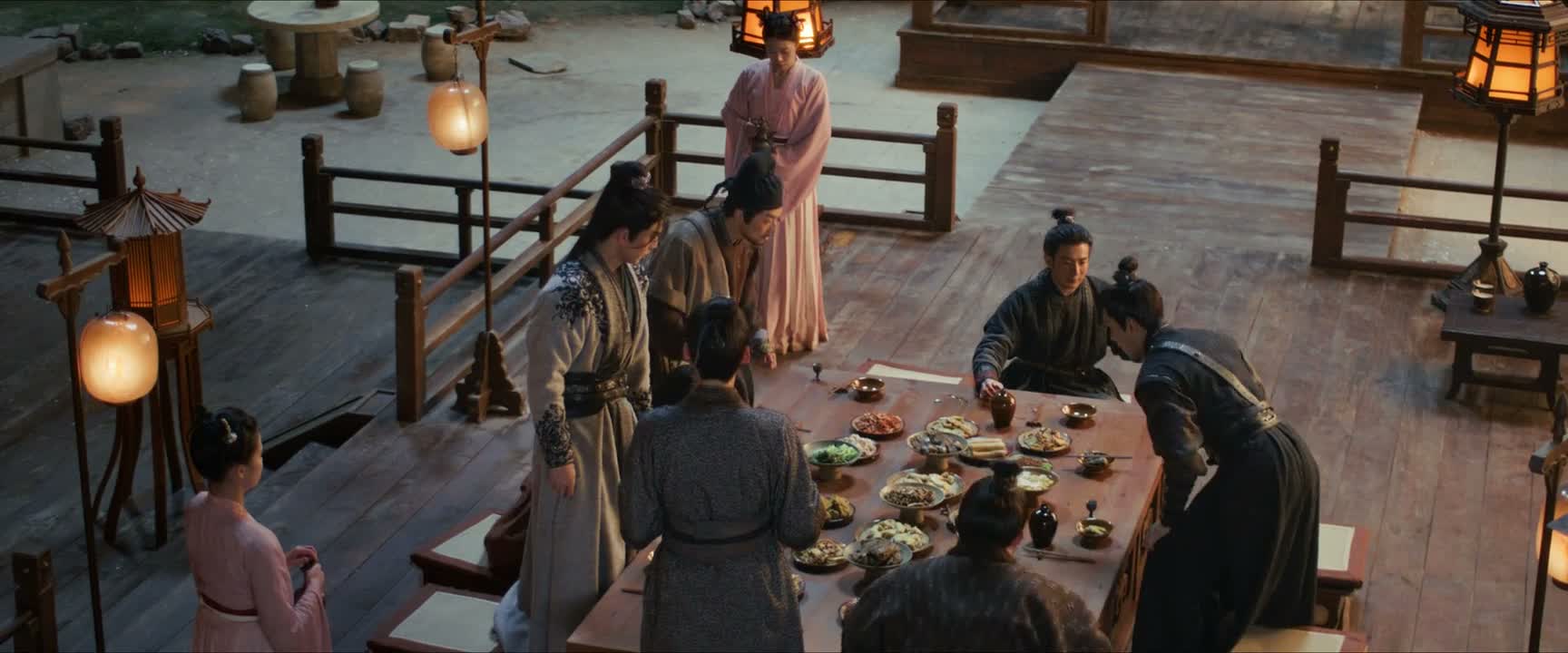
“-I'm old. I don't remember what I said. -Sit, sit.”