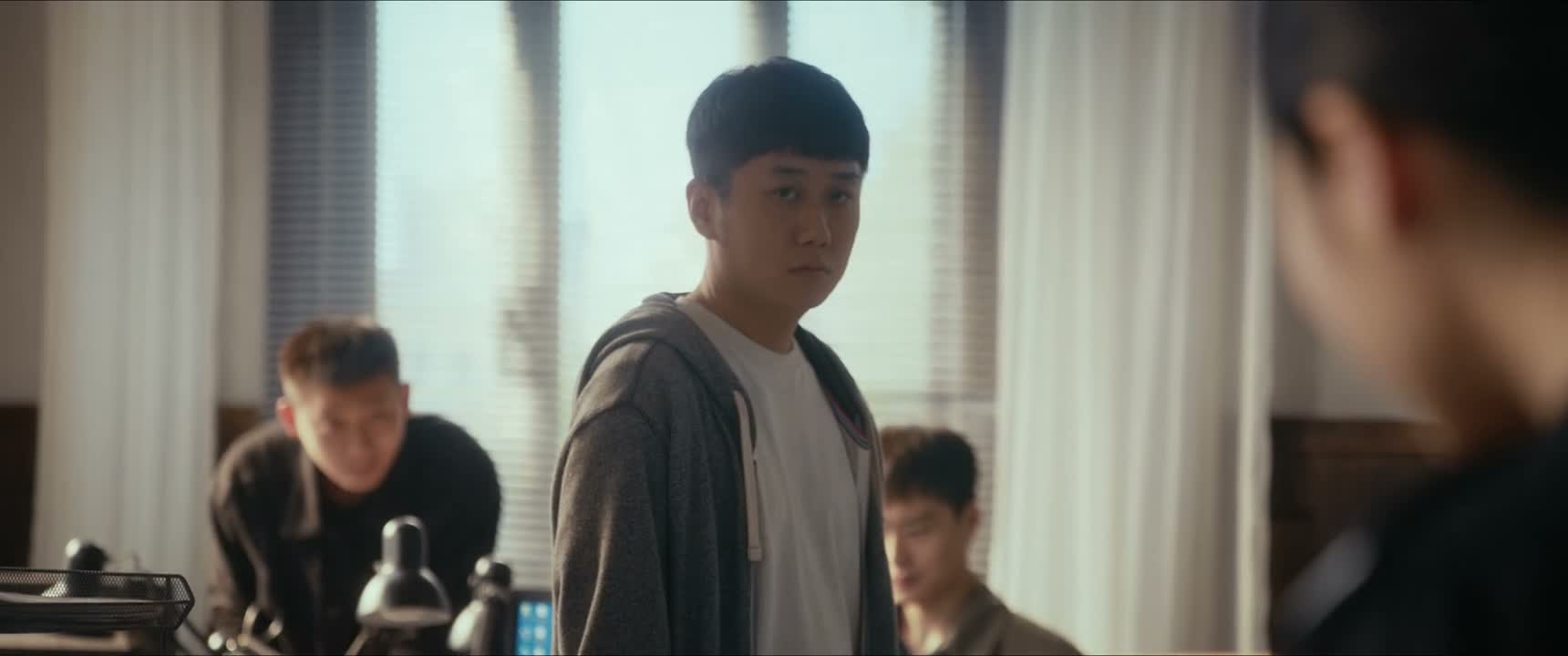
我们还冤枉你呢 结果 我们倒成恶人哪 我们
“We're the ones wronging you? We become the villains?”
THE DIALOGUE REEL
你成了好人了
“while you are the good one?”
我们 还 冤枉 你 呢 结果 我们倒 成恶人 哪 我们
“We're the ones wronging you? We become the villains?”
郑书记
“Mr. Zheng,”
“You cleverly turned the tables and made us look petty and unreasonable!”
Chinese interpersonal communication is acutely sensitive to who holds the moral high ground; claiming to have been made the 'bad guy' is a defensive maneuver to prevent losing face.
LEARNING CHUNKS & PARTICLES
wrong you / falsely accuse you
Used when someone is unfairly blamed or misjudged.
ended up becoming (contrary to expectations)
The adverb '倒' highlights an unexpected or ironic reversal of roles.
villain / the bad guy
Commonly contrasted with '好人' in conversational rhetoric when feeling scapegoated.
Emphasizes the ongoing feeling or rhetorical stance regarding their previous actions.
A softened variant of '啊' expressing surprise and ironic disbelief at the outcome.