那好像听过 饱吹饿唱
“I think I've heard that saying before.”
THE DIALOGUE REEL
“Play on a full stomach, sing on an empty one—you know?”
那 好像听过 饱吹饿唱
“I think I've heard that saying before.”
以后咱俩
“In the future,”
Direct spoken expression in this communicative setting.
In traditional Chinese folk arts, performers believe blowing instruments requires heavy breath support from a full belly, whereas singing sounds crisper when the stomach is not overly distended.
LEARNING CHUNKS & PARTICLES
seem to have heard of
Useful when recalling a piece of information or idiom vaguely.
play instruments on a full stomach, sing on an empty stomach
A traditional Chinese performing arts idiom describing physical conditions suitable for blowing wind instruments versus singing.
VOCABULARY & EXPRESSIONS
Parallel Spoken Cinema Scenes (语义近邻切片)

“I've never heard her story. Tell me about it then.”
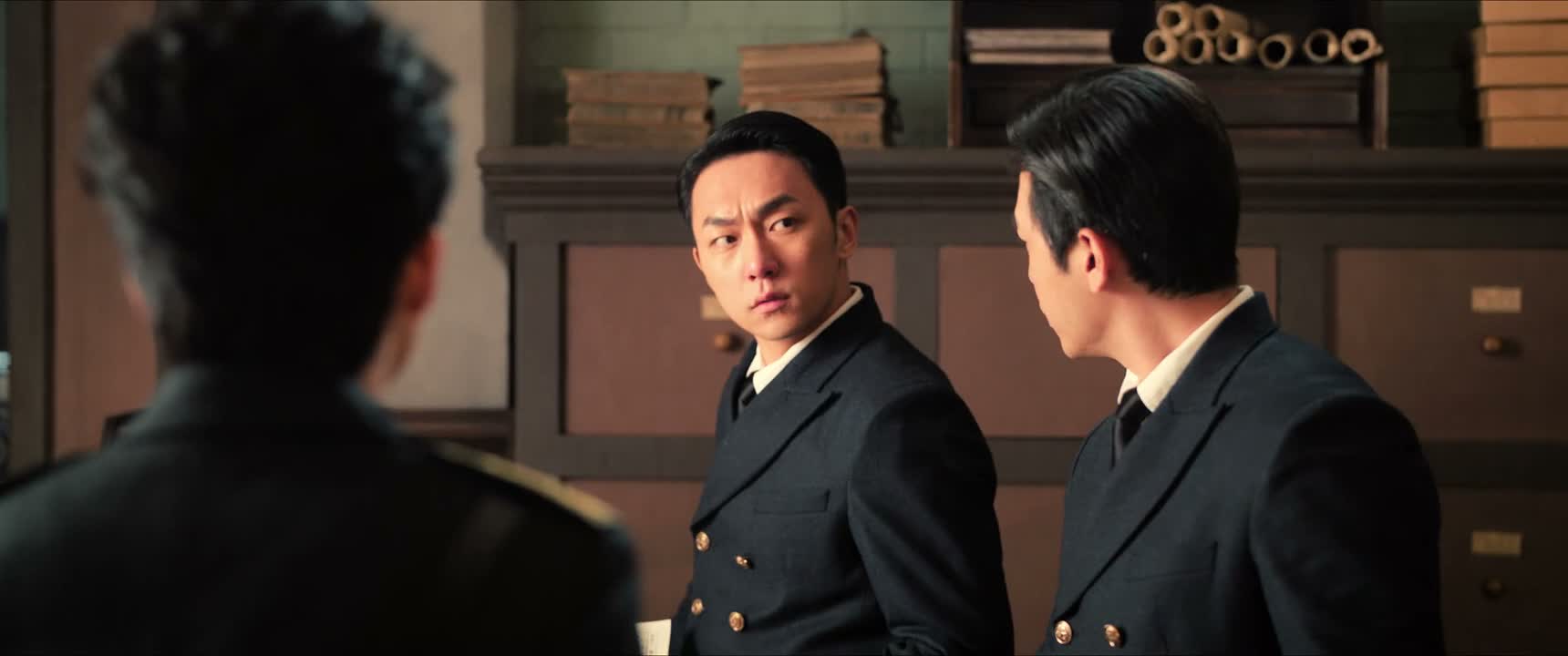
“Have you heard of it? Never heard of it.”

“I've never heard of these things. Where did you learn all of this?”

“The nation-wide audience heard that.”
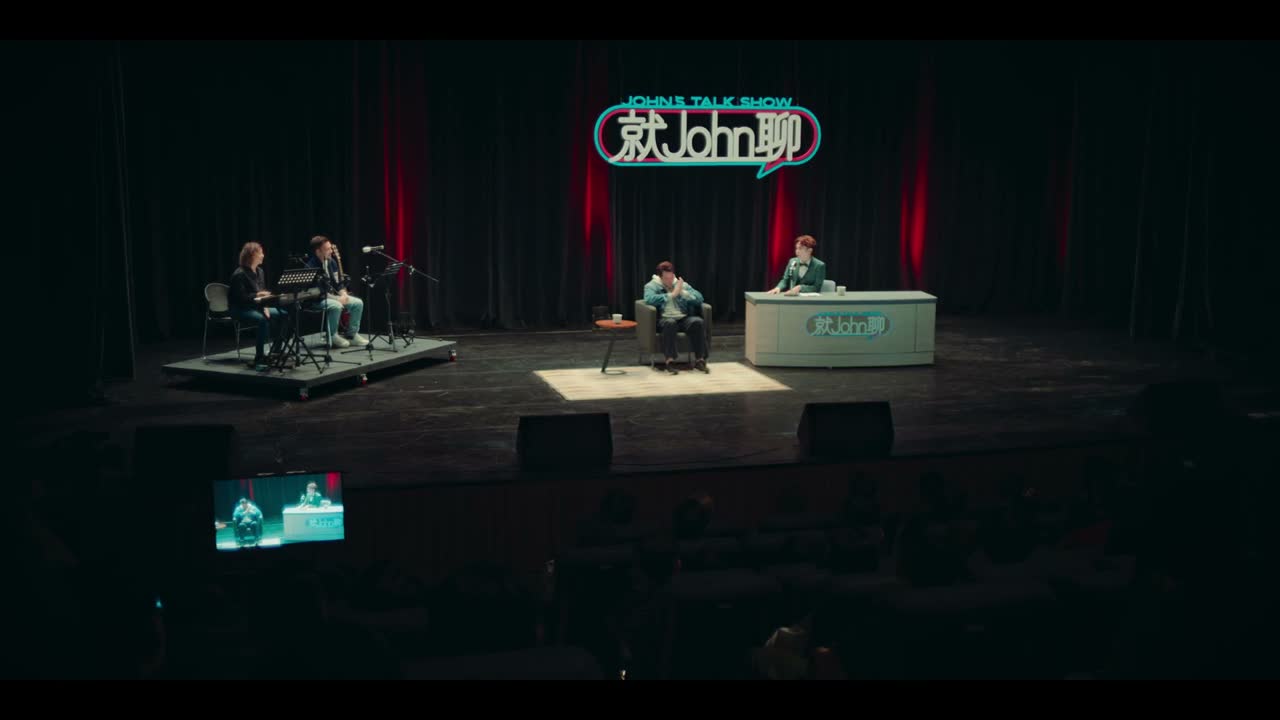
“I've never heard your music.”

“I've been attacked by many rumors.”