MC
MandarinClips Cinema Corpus
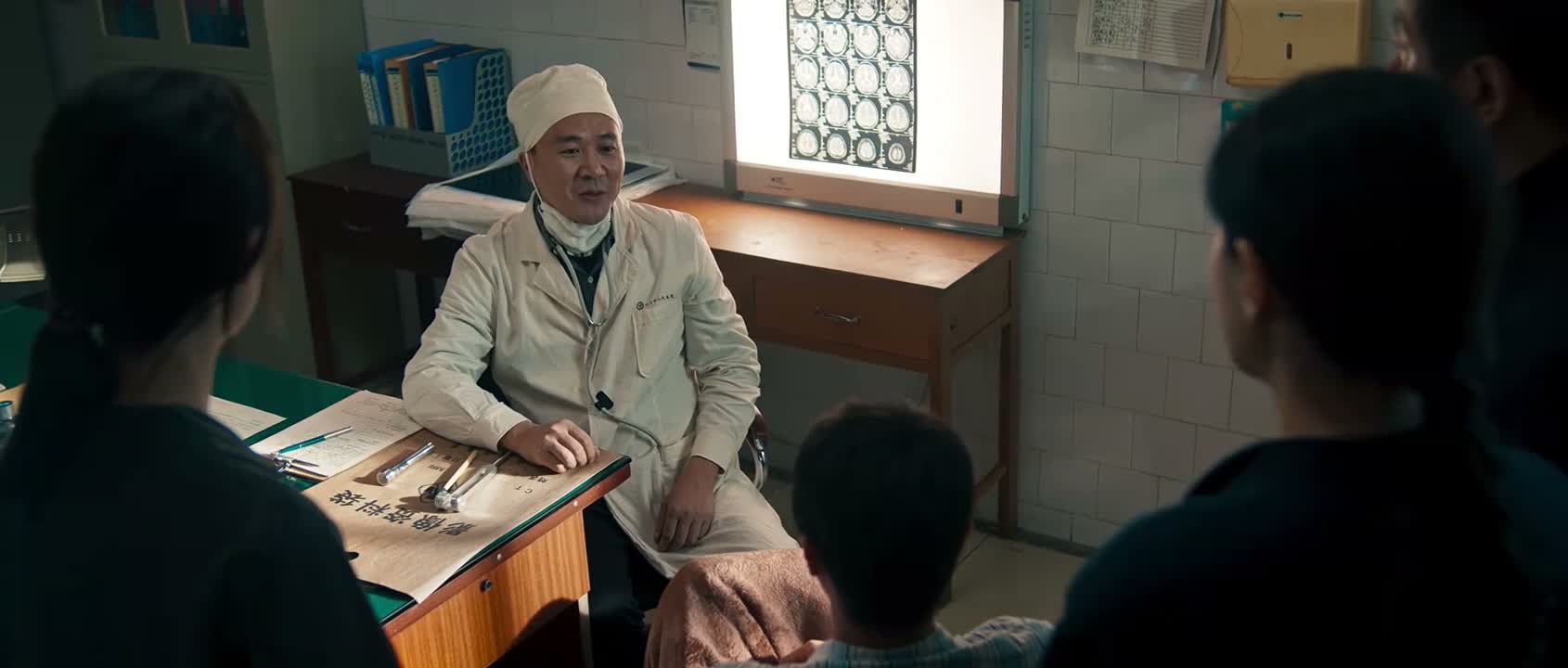
《Love Story in the 1970s》 S1·E1 (38:32) HSK 3
bú shì shuō le bìng rén xū yào xiū xī ma

不是说了病人需要休息吗

“The patient needs to rest.”

《Love Story in the 1970s》 S1·E1
TIMECODE: 38:32 · 1080P MASTER AUDIO

THE DIALOGUE REEL

1+1+1 SPOKEN CONTINUITY
[-1] PREVIOUS TURN nǐ nǎ ge bào shè de ya

你哪个报社的呀

“Which daily are you from?”

bú shì shuō le bìng rén xū yào xiū xī ma CURRENT FOCUS

不是说了 病人 需要休息 吗

“The patient needs to rest.”

[+1] FOLLOW-UP TURN nǐ men zhè yàng huì yán zhòng yǐng xiǎng wǒ men gōng zuò de

“You're affecting our work.”

Subtitles synced to millisecond timecode Browse Show Clips →
Scene: Medical & Health
Function: REPRIMANDING
Tone: IMPATIENT
Emotion: ANNOYANCE
WHAT THEY REALLY MEAN (PRAGMATIC SUBTEXT)
“Get out of here right now; you have no business disturbing our patient.”
💡 Cultural Insight: Rhetorical Questioning as Reprimand

In Chinese communicative culture, phrasing an order as a rhetorical reminder ('Didn't I say...') is a common way to assert authority and highlight the other person's wrongdoing.

INTENT TAGS: #scolding #expelling #boundary_setting #asserting_authority
🧩

LEARNING CHUNKS & PARTICLES

2 CHUNKS · 1 PARTICLES
不是说了……吗 SPOKEN CHUNK

Didn't [I/we] already say that...?

Use this rhetorical pattern to express annoyance when someone ignores a previous instruction or statement.

需要休息 SPOKEN CHUNK

needs to rest

A standard phrase used in healthcare contexts to politely or firmly demand quiet for an ill person.

Modal Particle「吗」 (ma) CHANGE OF STATE

Forms a rhetorical question that reinforces the speaker's irritation and emphasizes that the instruction was already given.
🏮

VOCABULARY & EXPRESSIONS

2 EXPR · 3 GRAMMAR
CROSS-CINEMA CORPUS BOARD · PARALLEL SCENES

Parallel Spoken Cinema Scenes (语义近邻切片)

EXPLORE BY SEMANTIC SIMILARITY
《Love Story in the 1970s》 S1·E1 (38:32) · Authentic Cinema Dialogue Corpus